


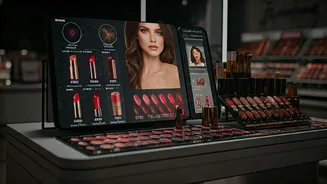


What is Virtual Try-On?
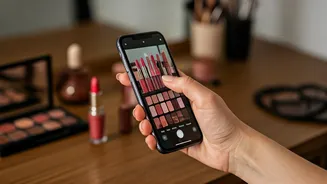
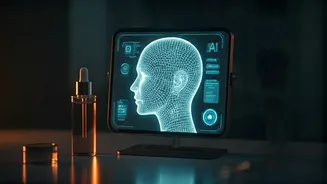
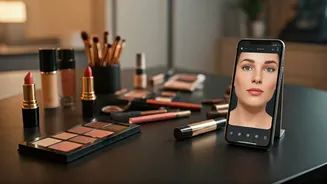
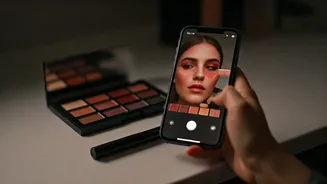
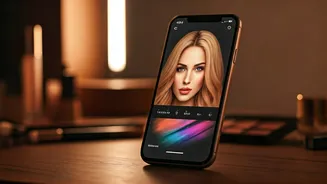
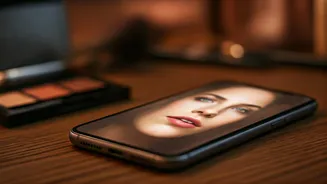
Virtual Try-On (VTO) is a smart technology that lets you see what a makeup product will look like on your face before you buy it, all through your phone or computer camera. Using a blend of Augmented Reality (AR) and Artificial Intelligence (AI), these
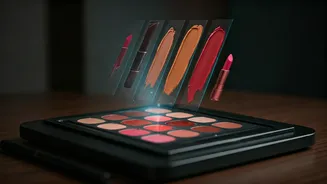
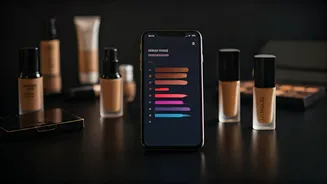
tools scan your face in real-time. They identify key features like your lips, eyes, and cheekbones with remarkable precision. The technology then digitally overlays a product—be it a lipstick, eyeshadow, or foundation—onto your live image. The goal is to create a hyper-realistic simulation, showing you exactly how a specific shade or finish complements your skin tone and features, eliminating much of the guesswork that comes with online beauty shopping.
The End of Swatch-and-Guess?
For years, buying makeup online has been a gamble. Virtual try-on offers several compelling benefits that address this uncertainty. The most obvious is convenience; you can experiment with hundreds of shades from multiple brands in minutes, without leaving your home. It’s also a more hygienic alternative to in-store testers, a concern that has become more prominent for many shoppers. This technology encourages experimentation, allowing you to try bold colours or new products you might otherwise overlook. For brands and retailers, the benefits are equally clear: studies show that VTO features significantly increase customer engagement, boost conversion rates, and can lead to a substantial reduction in product returns. It transforms a passive browsing experience into an interactive and personalised journey.
Leading the Charge in India
Indian e-commerce platforms and global beauty giants have been quick to adopt this technology for the Indian market. Major online retailers like Nykaa and Myntra have integrated VTO tools, powered by technology like ModiFace, across a vast range of products. This allows customers to try on items from beloved brands like Lakmé, Maybelline, L'Oréal Paris, MAC, and SUGAR Cosmetics. Flipkart has also rolled out its own AR-enabled try-on feature. The adoption has been driven by a clear demand from Indian consumers, who are increasingly using digital platforms to research and discover new beauty products. This tech helps bridge the gap between online browsing and the confidence of an in-store trial, empowering millions of shoppers across the country.
Is It Picture Perfect?
While VTO technology is impressive, it's not without its limitations. The accuracy of the virtual application can be heavily influenced by external factors. Poor lighting is the biggest culprit; natural, even daylight provides the most realistic results, whereas dim or harsh artificial light can skew how shades appear. The quality of your device's camera also plays a crucial role. Furthermore, while the technology is excellent at simulating colour, it often struggles to accurately represent texture and finish. A matte lipstick might look similar to a satin one, and the glow of a highlighter can be hard to replicate digitally. Users should see it as a powerful guide, not a perfect substitute for reality.
Tips for a Flawless Virtual Try-On
To get the most accurate and helpful results from a virtual try-on tool, a little preparation goes a long way. First, find a spot with good, natural lighting, facing a window if possible. Ensure your face is clean and free of other makeup, which can interfere with the colour accuracy. Hold your phone or position your webcam at eye level and keep a neutral expression to start. Don't be afraid to move your head around to see how the product looks from different angles and how it adapts to your movements. Finally, while the VTO gives a great preview, it’s always a smart idea to cross-reference your choice by looking at user-submitted photos and reading reviews to understand how the product looks and feels in the real world.