


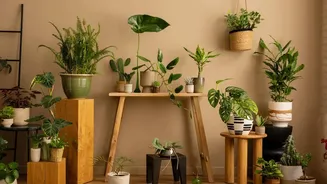
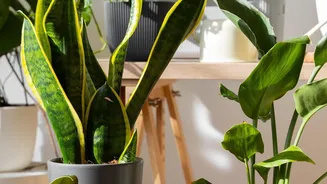
The Origin of the Green Myth
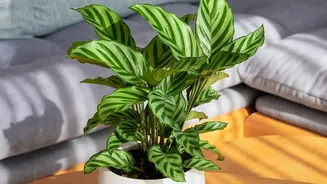
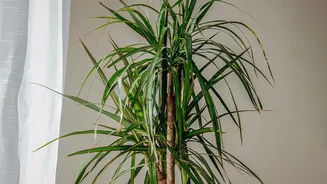
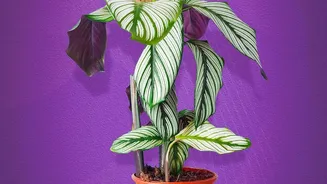
The belief that houseplants are nature's air purifiers can be traced back to a landmark 1989 NASA study. In a quest to find ways to clean the air in sealed environments like space stations, researchers placed common houseplants in small, airtight chambers.
They then injected volatile organic compounds (VOCs) like formaldehyde and benzene—chemicals commonly found in household items. The results were promising: the plants were able to remove a significant portion of these pollutants from the sealed chambers. This groundbreaking study popularised the idea that simply adding a few plants to a room could create a healthier indoor environment.
A Reality Check from Modern Science
For years, we've bought snake plants and peace lilies with the belief they are silently scrubbing our air clean. However, scientists have revisited this idea and found a crucial flaw in applying the NASA findings to our homes. The original experiments were conducted in small, sealed laboratory chambers, which have very little in common with a typical room or office. Our homes are not airtight; they have natural ventilation from windows, doors, and cracks, as well as mechanical ventilation systems that constantly exchange indoor air with outdoor air. Recent analyses from researchers, including a comprehensive review from Drexel University, concluded that this air exchange process dilutes pollutants far more quickly and effectively than plants can absorb them.
The Numbers Are Staggering
So, how many plants would it actually take to purify the air in an average room? The answer is, frankly, an impractical amount. Studies that extrapolated the lab data to a real-world scenario calculated that you would need anywhere from 10 to 1,000 plants per square metre of floor space to make a noticeable difference in air quality. To put that into perspective, for a small 1000-square-foot home, you might need a dense forest of 10,000 to 100,000 plants to compete with the cleaning power of simply opening a few windows. The rate at which plants clean the air is just too slow to keep up with the constant introduction of new pollutants and the natural flow of air in a living space.
Don't Ditch Your Plants Yet
While houseplants may not be the air-purifying superheroes we thought they were, this doesn't mean they are useless. Their benefits are real—just different from what we expected. A growing body of research shows that interacting with indoor plants has significant psychological and physiological benefits. Caring for plants can reduce stress by lowering cortisol levels, decrease heart rate and blood pressure, and improve concentration and mood. Simply having greenery around connects us to nature, creating a calming and more pleasant environment that can enhance our overall sense of well-being.
Truly Effective Ways to Breathe Easier
If you are genuinely concerned about indoor air quality, focus on the most effective strategies first. The number one recommendation from experts is ventilation. Open your windows and doors for even a few minutes a day to allow fresh air to circulate and flush out pollutants. Use exhaust fans in kitchens and bathrooms to remove moisture and contaminants at the source. For a more robust solution, consider investing in a high-quality air purifier with HEPA and activated carbon filters, which are designed to capture airborne particles and VOCs efficiently. Choosing low-VOC paints, furniture, and cleaning products can also significantly reduce the sources of indoor air pollution from the start.