


Beyond the Emergency Mentality
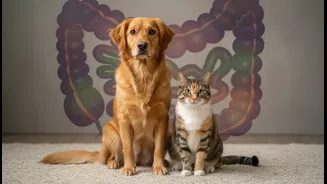
For many pet owners, a trip to the veterinarian happens for one of two reasons: annual vaccinations or a sudden crisis. This emergency-room mentality means we often see veterinary care as a transactional fix for an immediate problem. However, this view
misses a critical component of your pet’s health: continuity of care. True partnership with your vet involves proactive and follow-up appointments that go beyond acute issues. Thinking of care as a continuous conversation rather than a single transaction ensures that healing is complete and underlying issues are addressed, preventing future emergencies. A follow-up visit isn't an upsell; it's the second half of the treatment plan.
What Happens During a Follow-Up?
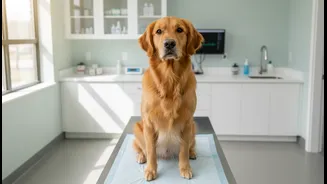
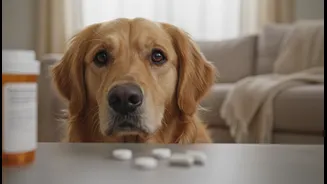
If your pet seems better, you might wonder if a return visit is necessary. But many crucial healing processes are invisible to the naked eye. During a follow-up, or progress exam, your vet performs essential checks. This can include assessing a surgical incision for proper healing, examining an ear canal with an otoscope to confirm an infection is gone, or using a special stain to ensure an eye ulcer has fully healed. Vets also use this time to evaluate if medication is working correctly, if the dosage needs adjusting, or if a different treatment is required. For example, stopping antibiotics too soon because symptoms have faded can lead to a relapse that is harder and more expensive to treat.
The Dangers of Skipping a Check-In
Skipping a recommended follow-up can have serious consequences. A wound that looks closed on the surface could be developing an infection underneath. An owner might mistake a pet's quietness for recovery, while a vet would recognize it as a sign of persistent pain. Partially treated conditions can quickly worsen, leading to more suffering for your pet and often resulting in higher costs for more intensive treatment down the line. Conditions like urinary tract disease, skin issues, and pancreatitis are notorious for recurring if not fully resolved, making the follow-up appointment a crucial step in breaking the cycle of illness.
Chronic Conditions Demand Consistent Care
For pets with long-term illnesses like diabetes, arthritis, kidney disease, or heart conditions, regular follow-up care is not optional—it is the foundation of their management. These conditions are not curable but can be managed effectively to provide the animal with a high quality of life. Consistent check-ins allow the vet to monitor the disease's progression, adjust medications, and provide guidance on diet and lifestyle changes. Skipping these appointments means minor changes can go unnoticed until they snowball into major problems, potentially shortening your pet's lifespan and diminishing their comfort. These visits empower you to be an effective partner in managing your pet's health.
An Investment in Health and Happiness
It’s easy to view a follow-up visit as an extra expense, but it is one of the smartest investments you can make in your pet’s well-being. Proactive care and proper follow-through prevent minor problems from becoming severe and expensive emergencies. Catching a recurring infection early or adjusting a medication dosage can save you from the cost and heartache of a major health crisis. More importantly, it ensures your pet is truly healthy and comfortable, not just free of obvious symptoms. This peace of mind is invaluable and reinforces the bond you share with your furry family member.