








From Cappuccino to Turmeric Lattes
Not long ago, a cafe order was a simple choice between coffee and tea. Today, the menu board reads like an Ayurvedic apothecary’s inventory. Golden Lattes, glowing with the vibrant yellow of turmeric, have moved from being a home remedy known as 'haldi
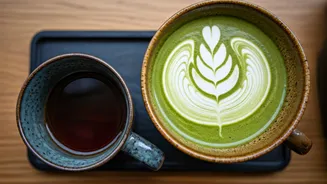
doodh' to a premium cafe offering. Alongside them are matcha lattes promising 'calm alertness', and beverages infused with adaptogens like ashwagandha. This evolution reflects a significant shift in consumer preferences, where the question is no longer just "What does it taste like?" but "What can it do for me?". Customers are now more curious about how a drink makes them feel—whether it's energising or calming, acidic or soothing. This trend is visible across major Indian cities, with chains like Blue Tokai and Third Wave Coffee embracing matcha, and even Coffee Day Beverages launching a 'Wellness Range' featuring Kahwa.
A Taste of Tradition, Reimagined
What makes this trend particularly fascinating in India is that many of these 'new' wellness ingredients are deeply rooted in Indian tradition. 'Haldi doodh', a staple in Indian households for generations to combat illness, is now repackaged as the trendy 'golden milk' or 'turmeric latte'. Similarly, adaptogenic herbs like ashwagandha and tulsi (holy basil) have been cornerstones of Ayurvedic medicine for centuries, used to manage stress and promote balance. The modern cafe has taken these ancient ingredients and given them a contemporary makeover, often blending them with plant-based milks like oat or almond and presenting them in a highly Instagrammable format. It's a full-circle moment where traditional Indian wisdom is being celebrated, albeit in a new, more globally-influenced context.
The Science Behind the Sip
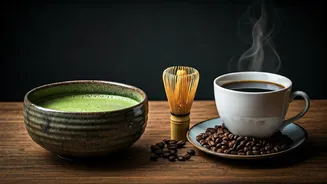
So, what exactly are these ingredients supposed to do? The buzz is largely around 'adaptogens,' which are herbs, roots, and mushrooms believed to help the body better cope with physical and mental stress. They are thought to work by interacting with the body's stress response system. Ashwagandha, for example, has been shown in some studies to help reduce anxiety and depression, while turmeric's active compound, curcumin, is lauded for its potent anti-inflammatory properties. Matcha, a powdered green tea, offers a unique combination of caffeine and L-theanine, which can promote a state of calm alertness without the jitters often associated with coffee. Other popular functional ingredients include probiotics from fermented drinks like kombucha for gut health, and mushroom extracts like Lion's Mane for cognitive focus.
More Than a Drink, It's a Lifestyle
This trend is about more than just health; it's a statement. For many, particularly Gen Z, choosing a wellness-oriented beverage over a sugary soda is a conscious lifestyle choice. In an age of social media, ordering an 'aesthetic drink' like a vibrant green matcha or a blue spirulina latte is a way to signal that you are health-conscious, informed, and invested in self-care. This shift is part of a larger wellness movement that prioritises mindful consumption and holistic well-being. Cafes are no longer just places for a quick caffeine hit; they are becoming spaces for a more intentional kind of indulgence—one that nourishes both the body and soul. India's functional drinks market, valued at over $3.7 billion in 2024, is projected to nearly double by 2030, showing that this is a structural change, not a fleeting fad.