



Colonel C.K. Nayudu
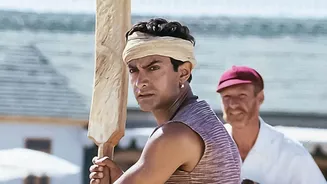
Long before India played its first official Test match, its first captain was already a man of military standing. Cottari Kanakaiya Nayudu, a towering figure in India's early cricketing history, was conferred the rank of Colonel in the army of the Holkar
state in 1923. This honour came nearly a decade before he would lead India in its inaugural Test against England in 1932. Nayudu was a powerful batsman and a respected leader, and his appointment as Colonel by the ruler of Holkar cemented his status as a national icon, embodying both sporting prowess and a commitment to service long before it became a trend for modern sports stars. His life set a precedent for the deep-rooted link between cricket and patriotism in India.
Lieutenant Colonel Hemu Adhikari
One of the few cricketers to have actively served in the army during his playing days was Hemu Adhikari. His career was interrupted by his duties in the Indian Army during World War II. Despite his military commitments often restricting his availability for the national team, he was a vital member of the squad in the post-independence era. Adhikari, a gritty right-handed batsman and respected tactician, rose to the rank of Lieutenant Colonel. After retiring as a player, he brought his famous military discipline to coaching, managing the Indian team and mentoring future legends like Sunil Gavaskar and Kapil Dev. He was instrumental in guiding India to its historic first series win in England in 1971.
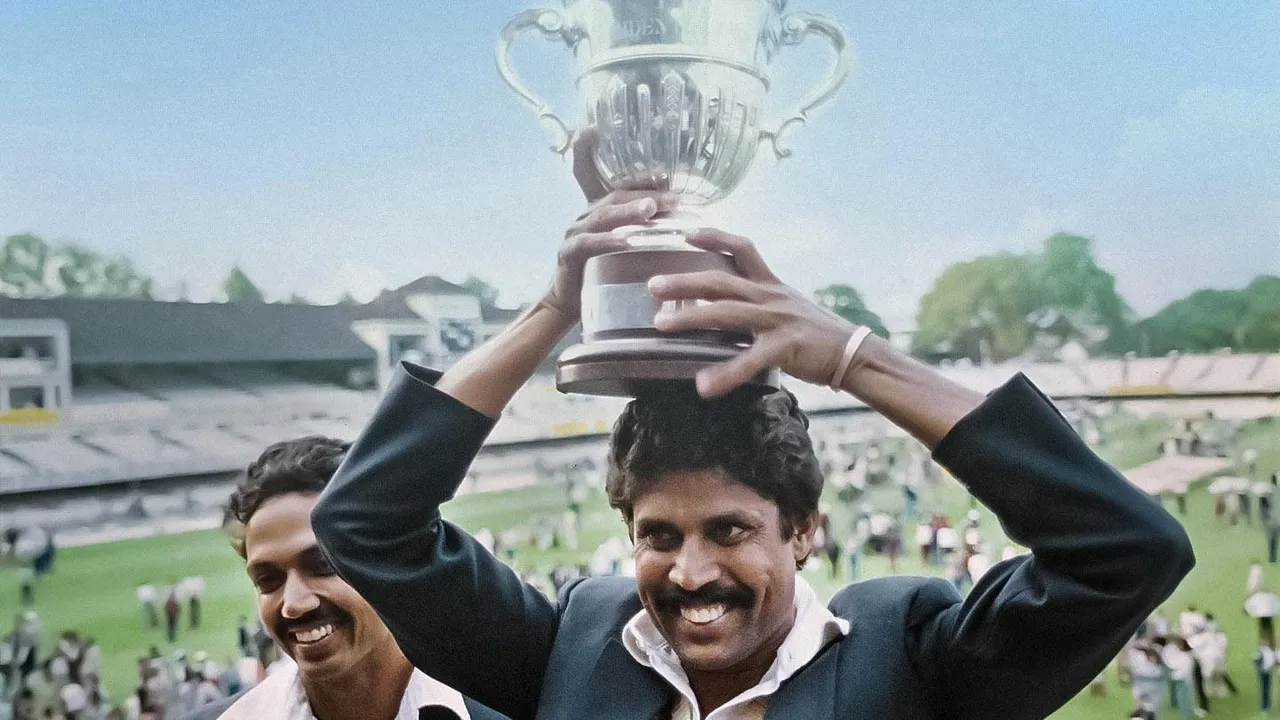
Lieutenant Colonel Kapil Dev
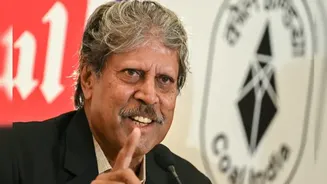
The man who lifted India's first Cricket World Cup in 1983, Kapil Dev, also answered the call of duty. In 2008, the legendary all-rounder was conferred the honorary rank of Lieutenant Colonel in the Indian Territorial Army. Known for his discipline and immense national pride on the field, Kapil Dev embraced the role as a brand ambassador for the armed forces, aiming to inspire the youth of India to serve the nation. His commissioning was a formal recognition of a lifetime spent as a national hero, seamlessly transitioning from fighting for the country in his cricket whites to serving it in olive green.
Group Captain Sachin Tendulkar
Widely regarded as the 'God of Cricket', Sachin Tendulkar's influence transcends the sport. In 2010, in recognition of his monumental contributions to the nation, he was awarded the honorary rank of Group Captain by the Indian Air Force. This was a historic moment, as Tendulkar became the first sportsperson to be conferred a rank by the IAF and the first individual with no prior aviation background to receive the honour. The IAF's goal was for his association to motivate younger generations to join the Air Force. Accepting the honour, Tendulkar called it a proud moment and expressed his desire to be a brand ambassador for the force.
Lieutenant Colonel MS Dhoni
Perhaps no cricketer has embraced an honorary military role more actively than Mahendra Singh Dhoni. Awarded the rank of Lieutenant Colonel in the elite Parachute Regiment of the Territorial Army in 2011, 'Captain Cool' took his duties seriously. In 2015, he became a qualified paratrooper after completing five parachute jumps. Furthermore, in 2019, he took a break from cricket to serve with his battalion in Jammu and Kashmir, undertaking duties like patrolling and guard duty. Dhoni's deep and public respect for the armed forces, coupled with his active participation, has solidified his status as an inspirational figure both on and off the field.