



The Oily Truth of a Golden Triangle
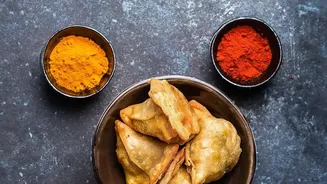
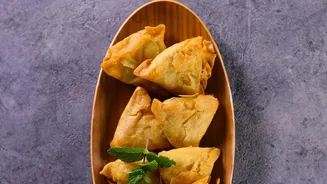
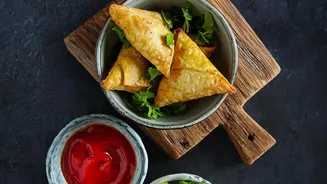
There are few things as comforting as a hot, crispy samosa, especially on a rainy day. That flaky pastry giving way to a warm, spiced potato-and-pea filling is a national treasure. The traditional method of achieving that perfect golden crust, however,
is deep-frying. This process involves submerging the samosas in hot oil, which, while delicious, leads to significant oil absorption. A single deep-fried samosa can soak up a considerable amount of fat, contributing to a higher calorie count and making it a heavy indulgence. This has led many home cooks to reserve this favourite snack for special occasions, conscious of the health implications of frequent deep-frying.
The Air Fryer Advantage: By the Numbers
Enter the air fryer, a kitchen appliance that has revolutionised how we cook many of our favourite fried foods. An air fryer works by circulating superheated air around the food, creating a crispy exterior with minimal oil. When it comes to samosas, the difference is stark. While a deep-fried samosa is submerged in cups of oil, an air-fried one needs just a light brushing or spray, often just a tablespoon or two for an entire batch. This can result in a fat reduction of up to 60-80% compared to its deep-fried counterpart. A medium deep-fried samosa can contain 250-300 calories and 15-18 grams of fat, whereas an air-fried version of the same size might have only 180-220 calories and 5-8 grams of fat.
Mastering the Method for a Perfect Crust
Achieving a restaurant-quality crust in an air fryer requires a few key techniques. Unlike deep-frying, where the hot oil does all the work, air frying relies on air circulation. To get an even, golden-brown finish, it is crucial not to overcrowd the basket. Place the samosas in a single layer, leaving space between them for the air to move freely. Brushing them lightly with oil is essential for both colour and crispness. Many recipes recommend cooking at a lower temperature initially to cook the pastry through, then increasing the heat towards the end to achieve that final crunch. A typical process involves air frying at around 180-190°C (350-375°F) for a total of 15-20 minutes, flipping them halfway through to ensure both sides cook evenly.
Tips for the Best Air-Fried Samosas
To ensure your air-fried samosas are a success, preparation is key. Make sure your filling has cooled completely before you stuff the pastry; a warm filling can make the dough soggy. When sealing your samosa cones, use a minimal amount of water to avoid a chewy texture at the seams. It is also important to roll the dough evenly. If some parts are thicker than others, they will not cook at the same rate, potentially leaving you with undercooked spots. Finally, preheating your air fryer for a few minutes before adding the samosas helps to kickstart the crisping process immediately.
The Verdict: Taste vs. Health
So, how does an air-fried samosa stack up against the original? The filling, of course, tastes identical. The primary difference lies in the texture of the pastry. A deep-fried samosa has a characteristic flaky, slightly bubbly, and richer crust due to the oil it absorbs. An air-fried samosa, by contrast, has a crispness that is often described as lighter and slightly drier, but still incredibly satisfying. It is a trade-off many are willing to make. You lose a small degree of indulgence but gain a significant health advantage, allowing you to enjoy this iconic snack more frequently and without the guilt.