





Understanding Himachal's Dramatic Weather
Himachal Pradesh's climate is not one-size-fits-all; it shifts dramatically with altitude and season. Summers (March-June) are generally pleasant, making it peak tourist season. Winters (October-February) bring frigid temperatures and heavy snowfall,
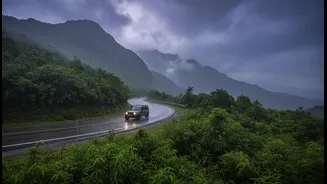
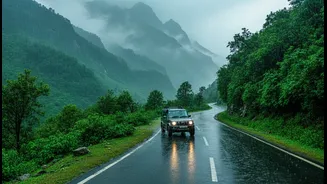
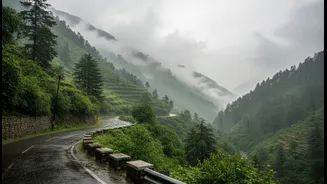
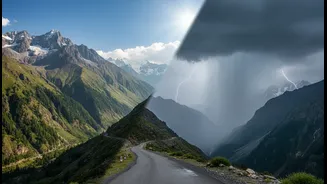
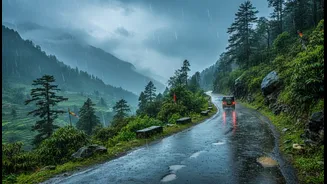
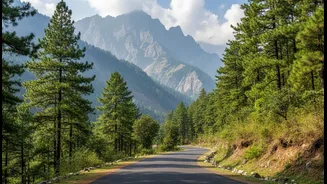
especially at higher altitudes, closing off areas like Rohtang Pass. The most critical season to understand is the monsoon (July-September). While the landscape turns a spectacular lush green, the period is marked by heavy, persistent rainfall. As of early July 2026, the southwest monsoon is active across the state, with the India Meteorological Department (IMD) issuing regular alerts for heavy rainfall in various districts. This isn't just light drizzle; it's a period that can bring significant disruption.
The Real Dangers of Monsoon Travel
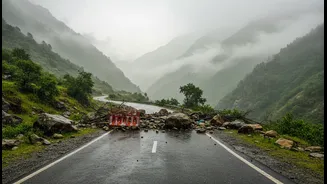
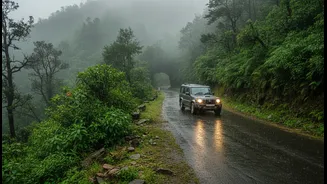
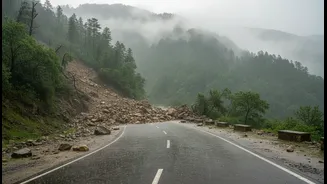
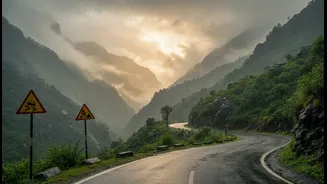
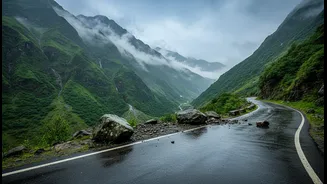
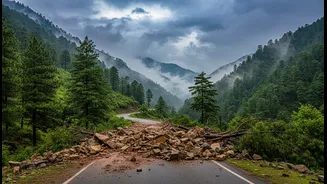
Travelling during the monsoon requires more than just a raincoat; it demands caution and flexibility. The primary risk is landslides, which can block roads for hours or even days. Heavy rains saturate the soil on steep slopes, making them unstable. Key routes, such as the highways connecting Mandi to Kullu or Shimla to Kinnaur, become particularly vulnerable. Recent advisories have warned of heavy to very heavy rainfall in districts like Kangra, Mandi, Shimla, and Sirmaur, leading to slippery roads, poor visibility, and traffic disruptions. Beyond landslides, flash floods are a serious threat. Rivers like the Beas and Sutlej can swell dangerously and rapidly, and tourists are strongly advised to avoid camping or even taking photos near riverbanks.
Your Pre-Trip Safety Checklist
Before you even book your tickets, proactive planning is essential. Start by monitoring the IMD's forecasts for Himachal Pradesh. Pay close attention to any 'orange' or 'yellow' alerts, which indicate heavy rainfall and advise caution. The Himachal Pradesh State Disaster Management Authority (HPSDMA) also provides updates and runs 24/7 helplines (State: 1070, District: 1077) for emergencies and information. Have a flexible itinerary. A rigid, packed schedule is impractical during the monsoon, as road closures can happen without warning. Booking refundable hotels can provide a crucial financial safety net if plans need to change. It's also wise to choose destinations that are relatively safer; for instance, Spiti Valley, being in a rain shadow area, is often drier, though the roads to reach it can still be treacherous.
Packing for the Unexpected
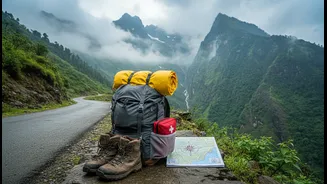
Your packing list should prioritise safety and practicality over style. Waterproofing is non-negotiable. This includes a high-quality raincoat or poncho, waterproof shoes with excellent grip, and a rain cover for your backpack. Pack quick-drying clothes made from synthetic fabrics or merino wool; avoid cotton, which stays wet and cold. Essential extras include a well-stocked first-aid kit, a powerful flashlight with extra batteries, and a power bank, as power cuts can be common during heavy rains. Carrying some non-perishable snacks and a reusable water bottle is also a smart move in case you get stranded due to a roadblock.
On-the-Ground Rules for Safe Travel
Once you are in Himachal, situational awareness is your best friend. Always heed local advice. Police, experienced taxi drivers, and hotel staff often have the most current information on road conditions. Avoid travelling at night during the monsoon; visibility is poor, and it's harder to spot hazards like fresh rockfalls. Maintain a safe distance from rivers and streams, no matter how calm they appear. Download offline maps, as mobile networks can be unreliable in remote areas. While state officials assure that tourist destinations remain largely safe and accessible, they also stress the need for caution. The key is to respect the power of the mountains and not take unnecessary risks for the sake of a photo or a shortcut.