

The magic of a perfectly soft, spongy idli is a cornerstone of South Indian cuisine. But this culinary delight isn't magic at all—it's a fascinating biological process where tiny, natural microbes do all the hard work for you overnight.
The Unseen Chefs in Your Kitchen
The transformation
of a dense, gritty paste of rice and lentils into a fluffy, risen batter is all thanks to fermentation. This process happens without adding any commercial yeast or starter culture. Instead, it relies on a team of naturally occurring microorganisms present on the surface of the rice and, most importantly, the urad dal (black gram). These microscopic chefs, primarily lactic acid bacteria and wild yeasts, are dormant on the dry grains. When you soak the rice and dal and grind them into a batter, you create the perfect warm, moist, and nutrient-rich environment for them to wake up and get to work. The most important players in this process are bacteria like Leuconostoc mesenteroides and Enterococcus faecalis (also known as Streptococcus faecalis).
How the Batter Rises
The light and airy texture of the batter is the most visible sign of successful fermentation. This rise is caused by the production of carbon dioxide (CO2) gas. As the bacteria feast on the carbohydrates from the rice, one of the key bacteria, Leuconostoc mesenteroides, releases CO2. This is where the urad dal proves its true worth. Urad dal is rich in protein and contains natural mucilaginous (gummy) compounds. When ground, these compounds create a sticky, elastic network within the batter. This network acts like millions of tiny balloons, trapping the CO2 gas produced by the bacteria instead of letting it escape. As more gas is produced and trapped, the batter's volume increases, often doubling or even tripling, resulting in the coveted light and porous structure needed for soft idlis.
The Science of the Tangy Flavour
Alongside the rise, fermentation also develops the idli's characteristic mild, tangy flavour. This is the work of lactic acid. While Leuconostoc mesenteroides produces both gas and some acid, other bacteria like Enterococcus faecalis are primarily responsible for producing lactic acid. This acid lowers the batter's pH from a neutral 6.0-6.5 down to a more acidic 4.0-4.5. This acidic environment not only contributes to the pleasant sour taste but also acts as a natural preservative, preventing the growth of harmful, spoilage-causing microbes. Getting this balance right is key; a perfectly fermented batter smells pleasantly sour, while an over-fermented one can become sharply acidic or smell faintly alcoholic.
Tips for Perfect Fermentation
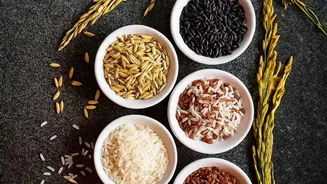
Controlling the fermentation process is crucial for achieving great idlis. The most important factor is temperature. The ideal range for these friendly bacteria to thrive is between 25°C and 32°C. In this 'sweet spot', fermentation typically takes 8 to 12 hours. In colder weather, the bacteria become sluggish, and the process can take much longer, sometimes up to 20 hours or more. The ratio of rice to dal is also critical; a common ratio is 3:1 or 4:1, as the dal provides both the essential microbes and the protein structure to trap gas. Many traditional cooks also advise using non-iodised salt, as the iodine in table salt can inhibit microbial activity, and adding it after fermentation is complete. Finally, using parboiled or idli rice is recommended, as its starch structure is more accessible to the fermenting microorganisms.
More Than Just Taste and Texture
The benefits of fermentation go beyond just making idlis soft and tasty. The process significantly enhances the nutritional value of the food. The microbes break down complex carbohydrates and proteins into simpler forms, making the idlis easier to digest. Fermentation also increases the bioavailability of essential minerals like iron and zinc by breaking down compounds called phytates, which would otherwise block their absorption. Furthermore, the microorganisms synthesise B-vitamins, such as thiamine and riboflavin, boosting the overall nutritional profile of this humble steamed cake.