




From Niche Habit to National Conversation
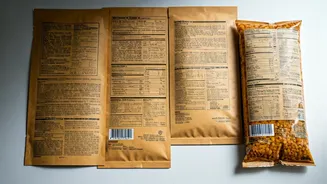
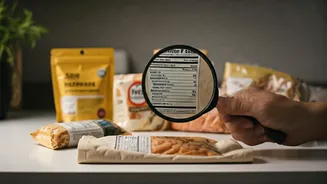
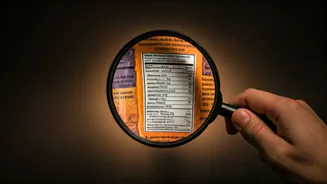
Not long ago, the back of a package was ignored by most shoppers, who prioritised brand names and price tags. Today, that same space is the center of a national conversation. A recent survey revealed that a staggering 73% of Indians now read ingredient
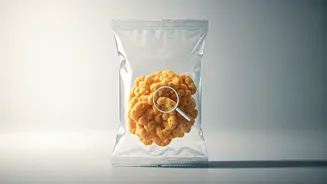
lists and nutritional information before buying snacks. This isn't just a fleeting trend; it's a fundamental shift in consumer consciousness, spurred by a growing awareness of how food impacts long-term health. People are no longer just buying food; they are investigating it. This movement, often dubbed the 'clean label' trend, sees consumers actively preferring products with simple, recognizable ingredients and shunning those with artificial additives and chemical-sounding names. The desire for transparency is reshaping shopping baskets across the country.
The Rise of the 'Food Pharmer'
A major catalyst for this shift is a new wave of social media influencers who act as consumer detectives. Creators like Revant Himatsingka, known as 'Food Pharmer' on Instagram, have amassed millions of followers by breaking down the marketing jargon and misleading claims on popular food products. In viral videos, they compare the sugar in so-called 'healthy' drinks to sodas or reveal that 'multigrain' bread is mostly refined flour. By making complex information digestible and relatable, these influencers have empowered millions to look beyond the flashy front-of-pack claims. Their content has turned label reading from a tedious chore into an act of empowerment, creating a generation of shoppers who are more skeptical, informed, and vocal.
What's on the Hit List?
So, what are these newly minted label detectives looking for? The main culprits are hidden sugars, unhealthy fats, and excessive sodium. Ingredients like maltodextrin (a highly processed carbohydrate), palm oil, and a host of unpronounceable preservatives and anti-caking agents are now red flags for many shoppers. Consumers are learning that front-of-pack claims like 'no added sugar' or 'made with real fruit' can be misleading. A product might have no added sugar but be loaded with fruit concentrates, which are still a form of sugar. Similarly, 'zero trans fat' claims can be made even if the product contains up to 0.5 grams of it, often hidden under names like 'partially hydrogenated oil'. The focus has shifted to the full ingredient list, where the truth often lies.
Brands Are (Slowly) Getting the Message
This consumer awakening is forcing brands to adapt. The demand for 'clean label' products is booming, with India recording the highest growth rate for this market in the Asia-Pacific region. In response, new-age companies like The Whole Truth have built their entire philosophy around ingredient transparency. Even legacy brands are feeling the pressure, with some reformulating products to reduce sugar or remove artificial additives after public call-outs. The government and regulatory bodies are also catching up. The Food Safety and Standards Authority of India (FSSAI) has been working on clearer front-of-pack labelling (FOPL) rules, such as a star-rating system, to help consumers make healthier choices at a glance. This combination of consumer pressure and regulatory change is pushing the entire industry toward greater honesty.
A Word of Caution
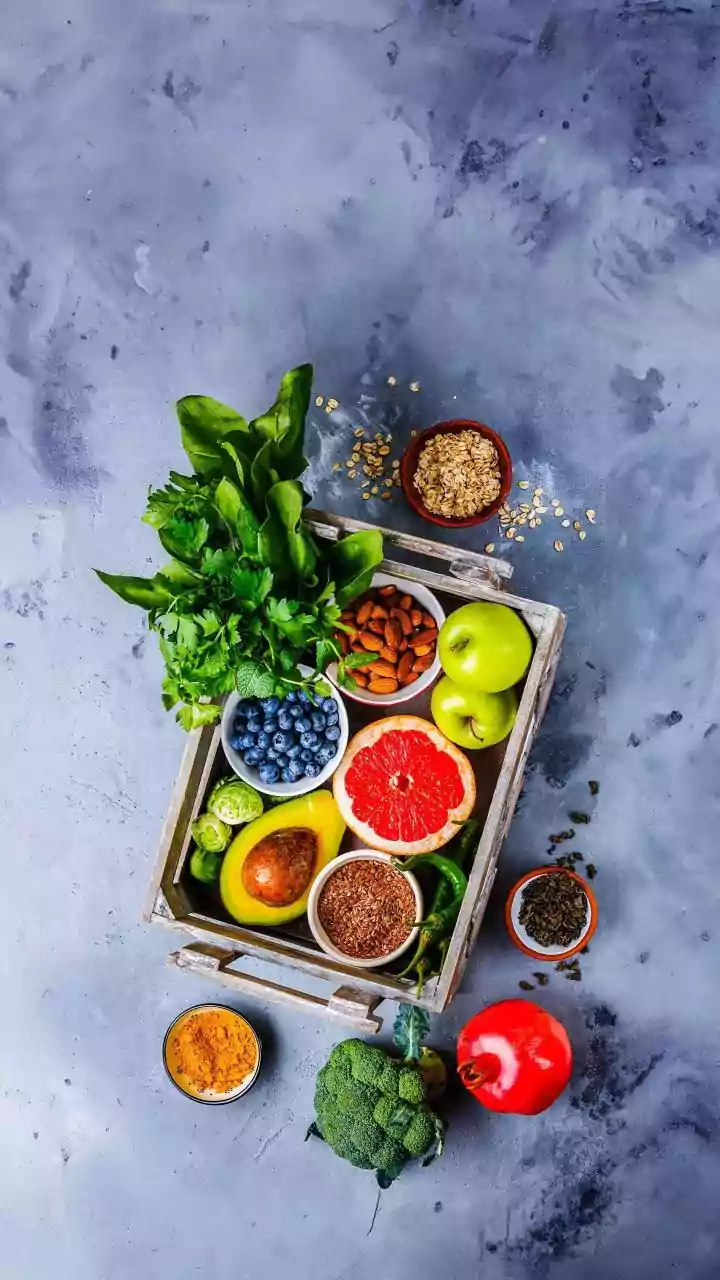
While this movement toward greater awareness is overwhelmingly positive, it comes with its own set of risks. The democratisation of information means that misinformation can also spread rapidly. Not all social media health advice is created by qualified experts, and the constant focus on 'good' versus 'bad' foods can fuel anxiety and disordered eating patterns like orthorexia, an obsession with 'healthy' eating. It’s crucial to use label reading as a tool for making informed choices, not for instilling fear or guilt. The goal is to be a conscious consumer, not a perfect one. The healthiest foods, like fresh fruits and vegetables, don't even have labels.