



From Logos to Luminescence
For decades, status was broadcasted. It was the interlocking ‘LV’ on a handbag, the gleaming three-pointed star on a car bonnet, or the recognisable check pattern on a trench coat. This was the era of conspicuous consumption—where wealth was made visible
through brand names. Today, a quieter, more profound shift is underway. We are moving towards inconspicuous consumption, where status is signalled through investments in self-care, health, and experiences. In this new paradigm, radiant skin has become the ultimate accessory. It signifies not just wealth, but also discipline, knowledge, and the luxury of time—the time to sleep eight hours, eat clean, and follow a meticulous multi-step skincare regimen.
The 'No-Filter' Filter
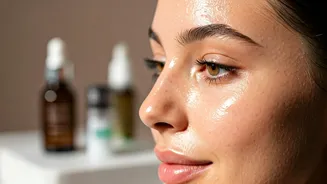
Social media is the primary engine driving this trend. The rise of the "clean girl aesthetic" and the obsession with "glass skin"—a term popularised by K-beauty for a complexion so dewy it looks like glass—have set a new, almost unattainable standard. Indian celebrities and influencers are at the forefront, with stars like Alia Bhatt and Deepika Padukone sharing their skincare routines with millions of followers. These videos normalise a culture of intensive skin maintenance. The goal is to look effortlessly perfect, even without makeup. The irony is that this "natural" look is often the result of a highly curated, expensive, and time-consuming process, making it a status symbol in its own right. It’s a performance of authenticity that costs a fortune.
Wellness as Wealth
The desire for glowing skin is deeply intertwined with the global wellness movement, which posits that outer radiance is a direct reflection of inner health. Clear, luminous skin is seen as evidence that you are living "correctly." It suggests you have access to organic foods, manage your stress levels, stay hydrated, and get enough sleep. In a society that increasingly values health as a form of moral and financial success, good skin becomes a public billboard for your virtuous lifestyle. It says you have the resources and self-control to prioritise your well-being, transforming a biological feature into a marker of social standing and personal discipline.
A New Shade of Status
In India, this trend has a unique resonance. For generations, the beauty ideal was dominated by a preference for fairness, heavily promoted by the fairness cream industry. While colourism remains a deeply entrenched issue, the focus is subtly shifting from mere lightness of skin to its overall health, texture, and luminosity. The new goal is not just to be fair, but to be "glowing." This could be seen as a positive evolution, moving the conversation towards skin health rather than skin tone. However, it also introduces a new, equally demanding beauty standard. The pressure is no longer just about colour, but about achieving a poreless, blemish-free canvas that looks good on a high-definition screen.
The High Price of a Glow
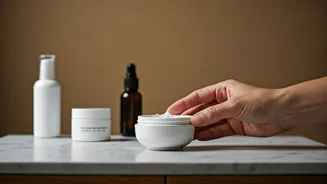
Achieving this coveted glow is far from a simple DIY project. It represents a significant financial investment, making it an exclusive club. The status isn't just in the final result, but in the access to the tools required to get there. This includes regular appointments with top dermatologists, professional-grade facials like the HydraFacial, laser treatments for pigmentation, and expensive cosmeceutical products packed with active ingredients like vitamin C, retinol, and hyaluronic acid. A single serum can cost several thousand rupees. When someone compliments your "natural glow," what they are often admiring is the visible result of a substantial and sustained investment—the very definition of a modern status symbol.