



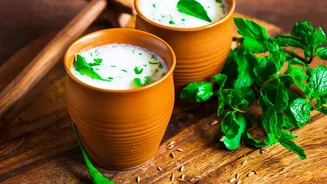
A Sip of Tradition
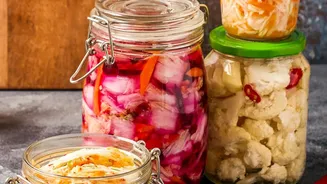
For generations, Kanji and Sol Kadhi have been staples in Indian households, long before 'probiotic' became a wellness buzzword. Kanji, a tangy, fermented beverage from North India, is traditionally made with black carrots, mustard seeds, and water, and often
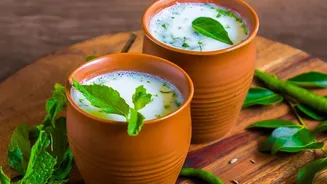
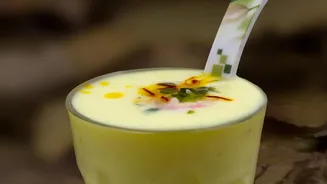
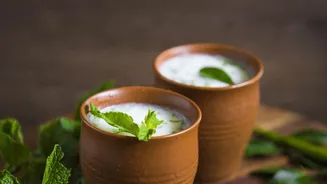
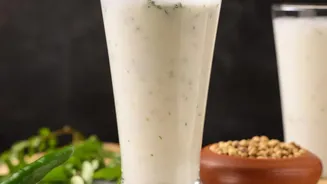
associated with the festival of Holi. Its sharp, savoury flavour is a hallmark of winter and spring. Meanwhile, along the western coast, Sol Kadhi is a soothing, pale pink drink made from coconut milk and the sour fruit kokum. Typically served as a digestive after a spicy meal, this Goan and Konkani classic is known for its ability to cool the system. Both drinks were revered not just for their taste, but for their perceived health-giving properties, passed down through grandmothers' wisdom.
The Gut Health Revolution
The recent global surge in interest around gut health has created the perfect stage for the comeback of these traditional drinks. The fermentation process used to make Kanji creates beneficial bacteria that act as probiotics. These microorganisms are essential for maintaining a healthy gut microbiome, which in turn can improve digestion, reduce bloating, and support the immune system. Scientific interest has highlighted how fermented foods enhance the bioavailability of nutrients, making them easier for the body to absorb. As consumers become more educated about the link between gut health and overall wellness, they are actively seeking out natural, food-based sources of probiotics, moving beyond supplements to embrace functional foods and beverages that have a rich history.
From Household Staple to Cafe Star
This renewed focus on health, combined with a rising appreciation for regional Indian cuisine, has not gone unnoticed by cafe owners and chefs. The move to place drinks like Kanji and Sol Kadhi on menus is part of a larger trend of modernizing and celebrating local culinary heritage. Cafes are tapping into a powerful combination of nostalgia and wellness. For many patrons, seeing these drinks on a menu is a comforting reminder of home. For others, it’s an opportunity to explore authentic Indian flavours in a contemporary setting. Baristas and chefs are presenting these drinks with a modern flair—sometimes in stylish glassware, other times as part of a tasting flight, or even as a base for innovative, non-alcoholic cocktails. This shift reflects a move away from generic international cafe fare towards menus with a distinct local identity.
More Than Just a Health Drink
The success of Kanji and Sol Kadhi in cafes isn't just about probiotics; it's about storytelling. These drinks offer a taste of authenticity that many modern consumers crave. In an era of mass-produced beverages, a glass of tangy, dark-purple Kanji or creamy, pink Sol Kadhi feels personal and rooted in culture. It represents a connection to a simpler time and a more natural way of eating. This trend is also driven by a new generation of Indians who are keen to reconnect with their culinary roots. They are looking for products that are not only good for them but also have a story and a sense of place. By offering these heritage drinks, cafes are selling more than just a beverage; they are offering an experience that is both healthy and culturally resonant.