






The Monsoon's Uneven Hand
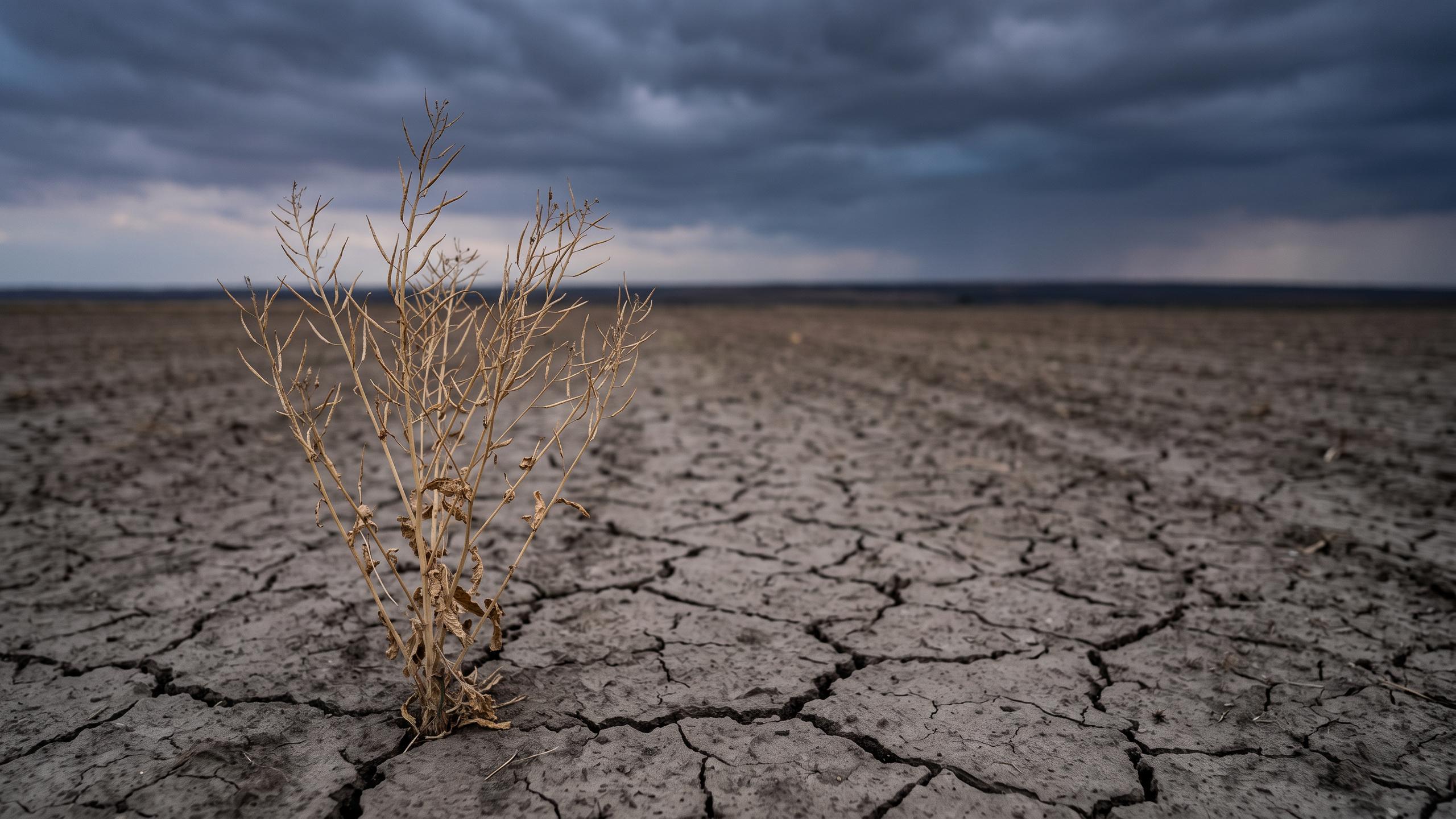
The primary cause for concern is the performance of the 2026 southwest monsoon. Agriculture, which supports nearly 70% of the population, is heavily dependent on these seasonal rains. This year, the monsoon has been both deficient and uneven, with overall
rainfall at 87% of the long-period average, the lowest since 2015. This has directly impacted the sowing of Kharif crops, which were down 1.2% by late September. Critically, depleted reservoir levels, especially in southern and some northern states, are raising alarms about the upcoming Rabi (winter) crop season. For millions of households, a weak monsoon translates directly into lower farm incomes and, consequently, less cash available for discretionary spending.
Inflation's Persistent Bite
Compounding the problem of lower incomes is the persistent pressure of high prices. While headline inflation has been within the central bank's tolerance band, rural households are feeling the pinch more acutely. Rural inflation has consistently tracked higher than urban rates, largely because food items make up a larger portion of their consumption basket. Nominal rural wage growth slowed to a 59-month low in July, and real wages have been contracting, meaning the earning power of rural workers is diminishing. This squeeze forces families to prioritise essentials like food and fuel, pushing purchases of new clothes, electronics, and vehicles down the list.
Telltale Signs in Key Sectors
The stress in the countryside is clearly visible in the sales figures of key industries that serve as barometers for the rural economy. September's auto sales data painted a picture of two Indias: while passenger vehicle sales in urban centres were robust, segments tied to rural health faltered. Mahindra & Mahindra's tractor sales fell by 21% year-on-year, and Escorts Kubota's sales declined by nearly 17%. Similarly, domestic two-wheeler sales, a popular purchase in rural areas, showed weakness, with a major player like Bajaj Auto reporting a 12% drop. While some analysis points to a high base from the previous year, the trend underscores a clear lack of purchasing momentum. The fast-moving consumer goods (FMCG) sector has also flagged concerns. Earlier in the year, data showed rural FMCG volumes declining by 5%, even as urban volumes remained flat, indicating a broad-based consumption slowdown.
Cautious Hopes for a Festive Spark
Despite the gloomy indicators, companies are pinning their hopes on the festive spirit to revive sentiment. The festival window, from Dussehra through Diwali, typically accounts for a massive share of annual sales for many consumer goods companies. There is some cause for optimism; data for the quarter ending in September showed a recent pickup in FMCG value growth, led by a strong performance in rural markets for the first time in six quarters. This suggests that while underlying pressures exist, the emotional desire to spend during the festive season could still provide a much-needed boost. However, analysts remain cautious, warning that a full recovery depends on how Kharif harvest cash flows materialise and whether the recent uptick in spending can be sustained beyond the initial festive rush. The consensus is that while the festive season may bring some cheer, it is unlikely to completely reverse the deep-seated economic challenges facing rural India.