




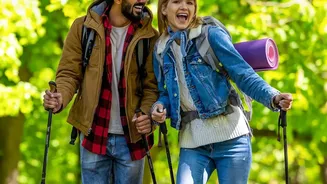


The Uncomplicated Power of Walking
Before diving into the social dynamics, it’s important to appreciate the foundation: walking itself. It is arguably the most accessible form of exercise available. It requires no special equipment beyond a comfortable pair of shoes, puts minimal strain
on the joints, and can be done almost anywhere. This low barrier to entry is critical. Unlike high-intensity workouts that can be intimidating or lead to burnout, walking is a gentle activity that yields significant rewards. Regular walking improves cardiovascular health, helps manage weight, strengthens bones and muscles, and even boosts your immune system. It's a simple, effective, and profoundly underrated tool for physical well-being. By building a habit around this straightforward activity, social walking clubs set their members up for success from the very beginning.
Community as the Ultimate Motivator
The true magic of these clubs lies in their social fabric. Humans are social creatures, and research consistently shows that community support is a powerful driver for habit formation. When you know a group of friends is waiting for you at the park, it becomes much harder to hit the snooze button. This element of social accountability transforms exercise from a solitary chore into a shared, enjoyable experience. The conversation and camaraderie during the walk provide a distraction from the physical effort and act as a powerful reward. Over time, the brain starts to associate walking not just with exercise, but with positive social interaction, friendship, and belonging. This turns the 'cue, routine, reward' cycle, essential for habit formation, into a self-reinforcing loop driven by connection.
More Than Just Steps
The benefits of social walking clubs extend far beyond physical fitness. In an era of increasing urban loneliness and digital isolation, these groups serve as vital 'third places'—social environments outside of home and work where genuine connections are forged. The simple act of walking and talking with others is a potent antidote to stress and anxiety. It stimulates the release of endorphins, the body's natural mood boosters, while the social interaction combats feelings of isolation. For many young professionals and remote workers across Indian cities, these morning meetups provide structure to the day and a much-needed reason to step away from screens. They have become a way to explore new neighbourhoods, share experiences, and build friendships that last long after the walk is over.
Designing a Habit That Lasts
The success of these walking clubs isn't accidental; they are perfectly designed to foster consistency. Most operate with a regular, predictable schedule, removing the mental energy required to decide when and where to exercise. The focus is on participation, not performance. Unlike competitive sports, there is no pressure to be the fastest or the fittest. This inclusive, non-judgmental atmosphere makes it welcoming for people of all fitness levels. Some groups add variety by exploring different routes, incorporating themes like photography walks, or ending their sessions with a shared coffee or breakfast. These small rituals strengthen the social bonds and make the activity something to look forward to. By combining consistency, social reward, and a low-pressure environment, walking clubs create a powerful framework for turning a simple activity into a lifelong, healthy habit.