



A Symphony in the Himalayas
Tucked away in the Chamoli district of Uttarakhand, the Valley of Flowers National Park is a UNESCO World Heritage Site renowned for its meadows of endemic alpine flora. For most of the year, it lies dormant under a thick blanket of snow. But as the monsoon
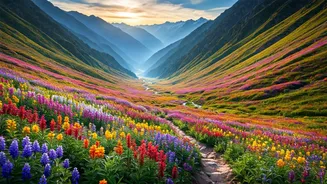
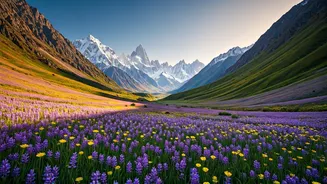
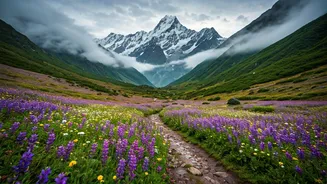
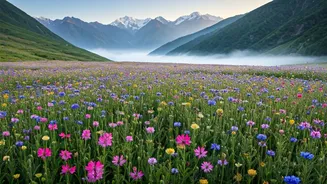
arrives, the valley transforms into a vibrant carpet of colour, with over 600 species of flowers bursting into bloom against a backdrop of snow-capped peaks and cascading waterfalls. This natural marvel was believed to have been discovered in 1931 by British mountaineers who stumbled upon it by chance, a testament to its hidden, ethereal beauty.
The Crucial Timing for 2026
The window to witness this spectacle is brief and strictly defined. For 2026, the park is open from June 1st to late October. However, the most coveted period is the peak bloom season, which runs from mid-July to mid-August. This is when the maximum variety and density of flowers are on display, creating the breathtaking vistas the valley is famous for. Visiting in June offers lush greenery but fewer flowers, while September sees the colours begin to fade as the plants prepare for winter. The monsoon rains that make the trek challenging are the very lifeblood of this floral explosion, making the difficult journey all the more rewarding.
Your Journey to the Valley
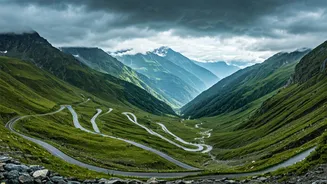
Planning your journey requires a multi-stage approach. The trek's starting point is Govindghat, a small town accessible from major hubs like Rishikesh, Haridwar, and Dehradun. The nearest airport is Jolly Grant in Dehradun, about 300 km away, and the closest major railway station is in Rishikesh. From these points, you can hire a taxi or take a bus for the 10-12 hour road journey to Govindghat. It's advisable to break the journey with an overnight stay in a town like Joshimath to acclimatize and avoid driving in the hills at night.
The Trek Itself: What to Expect
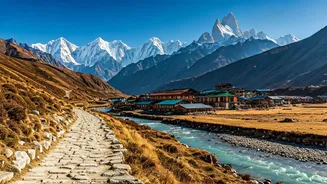
The trek is generally considered moderate in difficulty, making it accessible for beginners with a reasonable level of fitness. The journey begins with a short 4 km drive from Govindghat to Pulna. From Pulna, it's a 9-10 km trek to Ghangaria, the base camp village where all trekkers stay as overnight camping is not allowed inside the valley. The path to Ghangaria is a well-paved but steady ascent. The next day involves a 4 km trek from Ghangaria into the Valley of Flowers itself. The trail inside the valley is relatively gentle, allowing you to immerse yourself in the scenery. Many also undertake the steeper 6 km trek to the sacred Hemkund Sahib lake on a separate day from Ghangaria.
A Kaleidoscope of Colours
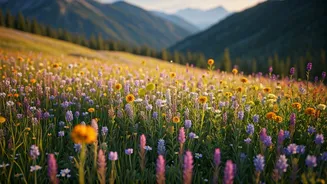
Once inside, you'll be greeted by a staggering diversity of flora. The valley is famous for rare and beautiful species. Keep an eye out for the elusive Himalayan Blue Poppy, often called the 'Queen of Himalayan Flowers'. Another revered sight is the Brahma Kamal, the state flower of Uttarakhand, which blooms at high altitudes. The landscape is painted with hundreds of other species, including vibrant primulas, elegant lilies, Himalayan orchids, purple geraniums, and carpets of pink Himalayan Knotweed. The sheer density and variety make every step a new discovery.
Essential Planning Tips
To make your trip smooth, keep a few key points in mind. Permits are mandatory and can now be booked online via the official forest department portal to avoid disappointment, as there's a daily visitor cap. Ghangaria offers basic hotels and guesthouses for your stay. Packing is crucial: waterproof trekking shoes, a reliable rain jacket, and layered clothing are non-negotiable due to the monsoon weather. Acclimatize properly to the altitude and carry cash, as ATMs are scarce. Finally, start your trek into the valley early in the morning, as the entry gate has specific timings, typically opening at 7:00 AM with the last entry around 2:00 PM.