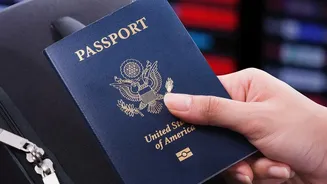


What makes a passport powerful? While most rankings focus solely on visa-free travel, a new study is redefining the conversation. The 2026 'Happy Passports Index' places Norway fourth, proving that a great passport is about more than just mobility.
More Than Just Travel
When
we think of a 'strong' passport, we usually mean one that allows its holder to visit the most countries without a visa. But the new Happy Passports Index, released in November 2026 by migration firm Global Citizen Solutions, offers a broader perspective. This unique ranking of 50 countries looks beyond simple mobility and asks a deeper question: what makes a passport 'happy'? It combines traditional passport power with crucial quality-of-life metrics, providing a more holistic view of what a travel document represents. The index is built on four equally weighted pillars: the mobility a passport provides, the level of personal freedom within the country, general wellbeing based on residents' own life satisfaction ratings, and finally, a combined score for prosperity, health, and safety.
Why Norway Shines
Securing the fourth spot with a score of 89.3 out of 100, Norway's success in the index highlights its balanced strengths. While its passport is undoubtedly powerful, granting access to a vast number of countries, its high ranking is also significantly boosted by its scores in freedom and quality of life. The index shows that Norway provides its citizens with a high degree of civil liberties and personal freedom to make their own life choices. This, combined with high levels of prosperity and safety, contributes to a strong overall 'happiness' score that many other countries with powerful passports lack. The Nordic nations dominated the top of the list, with Finland, Iceland, and Denmark taking the first three spots, underscoring the region's reputation for well-rounded societal success.
The Top Tier of Global Citizenship
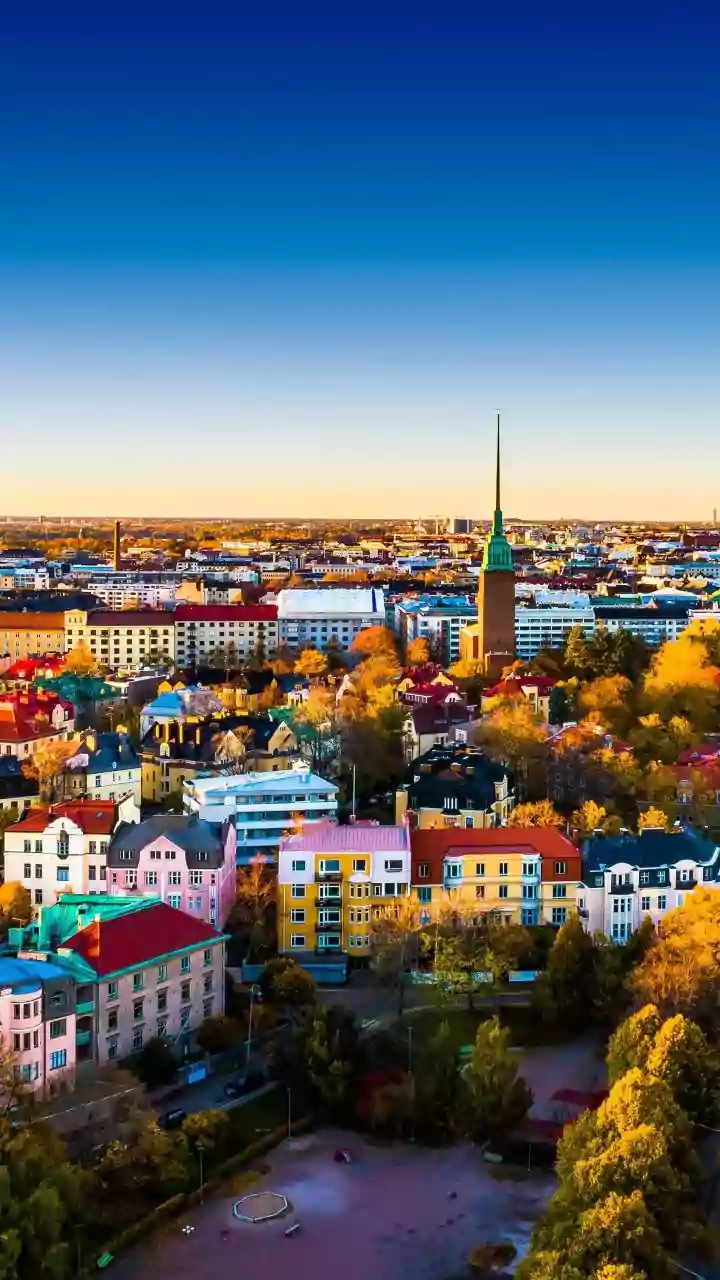
The top of the Happy Passports Index is a showcase of countries that successfully merge high global mobility with an excellent domestic environment. Finland claimed the number one position, followed by Iceland and Denmark. After Norway in fourth, the top ten was rounded out by Switzerland, Sweden, the Netherlands, New Zealand, Austria, and Singapore. Interestingly, this shows that eight of the top ten countries are European. The results suggest that the world's 'happiest' passports often belong to nations where citizens enjoy not only the freedom to travel but also a high quality of life at home, including strong civil liberties and a sense of wellbeing.
Mobility Doesn't Always Equal Happiness
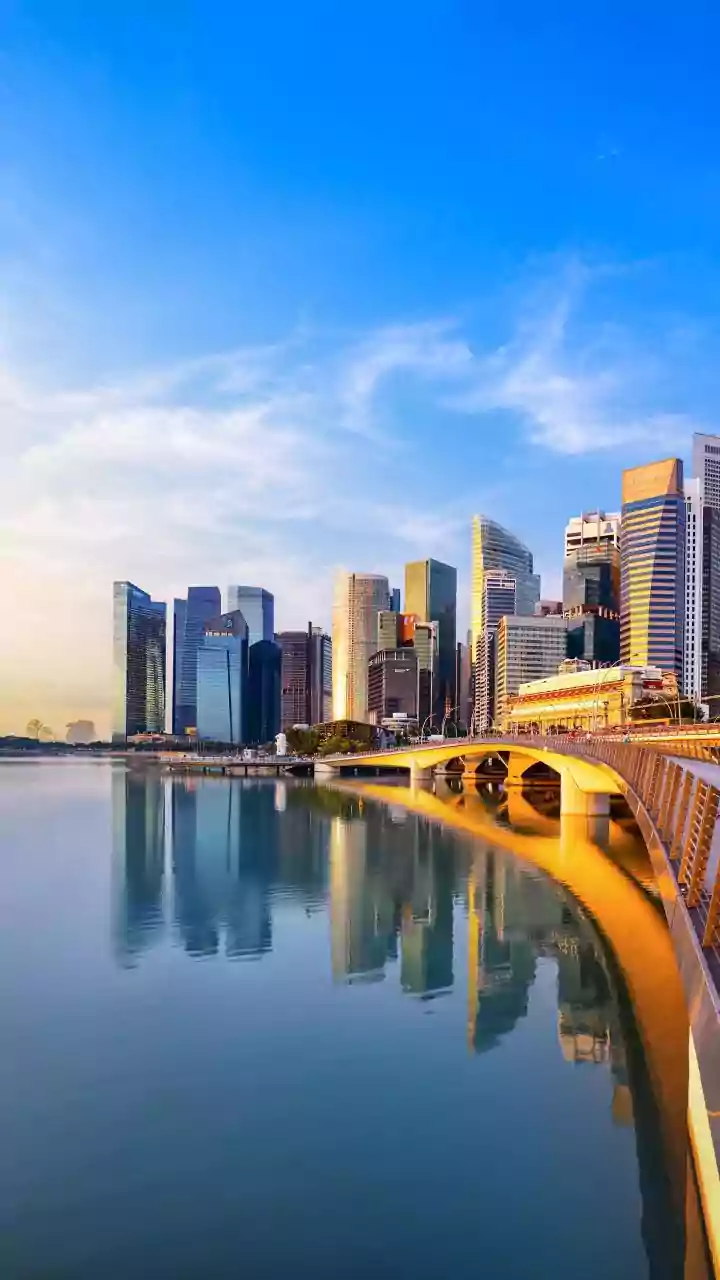
One of the most compelling findings from the index is that a powerful passport does not automatically translate to a happy populace. For example, Singapore holds one of the world's strongest passports in terms of travel access and has the highest income in the study, yet it placed tenth overall due to lower scores in wellbeing and freedom. Similarly, countries like Portugal and Greece have very powerful passports but rank much lower on life satisfaction. Conversely, some nations like Costa Rica report high levels of happiness and wellbeing despite having less passport mobility. The research suggests that among wealthier nations, a resident's sense of freedom is far more closely linked to their happiness than either their income or the strength of their passport.