







The Downfall of a Fixed Itinerary
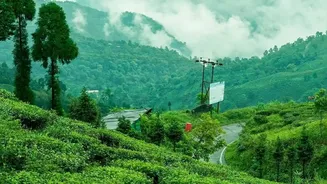
Picture this: you have a perfect, day-by-day schedule to explore the misty hills. But an unexpected downpour causes a landslide, closing the main road. Your non-refundable hotel booking is on the other side, and your tightly packed plan falls apart. This
is a common story during the monsoon. Heavy rains can lead to flash floods, waterlogged streets, and delayed or cancelled flights and trains. Sticking to a fixed schedule becomes a battle against nature, leading to stress and disappointment. Outdoor activities like treks or beach visits might be called off, and relying on a single plan leaves no room for these sudden but frequent disruptions.
Embrace the 'Hub and Spoke' Strategy
A smarter approach is the 'hub and spoke' model. Instead of moving to a new location every day, choose a central destination (the hub) for a few nights. From this base, you can take day trips to nearby attractions (the spokes) depending on the weather. For example, basing yourself in Coorg allows you to visit Abbey Falls on a clear day or tour a coffee plantation and processing factory if it's raining. Similarly, from Udaipur, you can enjoy a boat ride on Lake Pichola when the weather is pleasant or explore the detailed interiors of the City Palace during a shower. This strategy minimizes travel time in potentially bad weather and lets you explore a region's diverse offerings without the pressure of constant packing and moving.
Build a 'Choose Your Own Adventure' Plan
The key to a successful monsoon trip is having options. For each day, create two plans: a 'sunshine' plan for outdoor adventures and a 'rainfall' plan for indoor activities. This turns a potential disruption into a planned alternative. In Kerala, your sunshine plan might be a backwater cruise in Alleppey, while the rainfall plan could be watching a Kathakali performance or taking a local cooking class. In Goa, a sunny day is perfect for exploring the quiet, off-season beaches, whereas a rainy day is ideal for visiting the spice plantations or historic churches of Old Goa. Having this dual-plan approach removes the frustration of a cancelled activity and replaces it with another exciting experience.
Let Technology Be Your Guide
Modern technology is an invaluable tool for the flexible traveller. Use reliable weather apps to check daily and even hourly forecasts to make informed decisions. Local transport apps can provide updates on road closures or train delays. Social media groups and local news outlets are also great resources for real-time information on conditions in your area. Being connected allows you to pivot your plans effectively, whether it's finding an alternate route or discovering a local festival that wasn't in your original guidebook. Having a charged power bank is essential, as power cuts can be common.
Pack for Possibilities, Not Just Plans
Your packing list should reflect your flexible mindset. Instead of just beachwear or heavy trekking gear, pack for a variety of scenarios. Quick-drying synthetic clothes are a must, as humidity can prevent fabrics like cotton and denim from drying. Include a lightweight waterproof jacket and an umbrella. Waterproof footwear with a good grip is crucial for navigating slippery streets and muddy trails. Also pack waterproof bags or zip-lock pouches to protect your documents and electronics. Having the right gear means you're prepared to comfortably enjoy both your sunshine and rainfall plans.