







The Push Away from Pellets
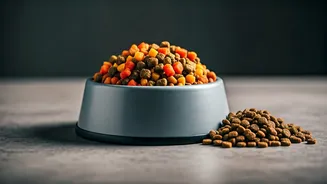
For decades, kibble has been the convenient, go-to choice for dog owners. It is shelf-stable, easy to serve, and formulated to be a 'complete and balanced' meal. However, a growing number of pet parents are becoming skeptical. This shift is largely fuelled
by concerns over the quality of ingredients in mass-produced pet foods. Many commercial kibbles are created through a high-heat process called extrusion, which can diminish the nutritional value of the ingredients. Furthermore, the ingredient lists often contain vague terms like 'by-products' or 'meal', leaving owners questioning what is actually in their dog's food. There's also the issue of 'fillers' — ingredients like corn, wheat, and soy that are primarily used to add bulk and reduce costs rather than provide significant nutritional value. While not all such ingredients are inherently bad, their dominance in a recipe can dilute the overall nutritional quality and may contribute to allergies or digestive issues in some dogs.
The Appeal of a Fresh Approach
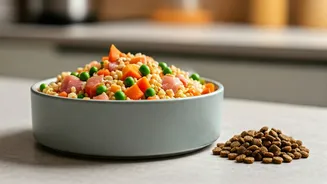
The move towards home-cooked or fresh food is driven by a desire for transparency and control. Pet owners want to see real, recognisable ingredients in their dog's bowl, like fresh meats and vegetables. This approach allows them to know exactly what their pet is consuming, avoiding artificial additives, preservatives, and low-quality fillers. Proponents of fresh feeding report a wide range of benefits, including improved digestion, healthier skin and a shinier coat, increased energy levels, and better weight management. Because fresh food has a much higher moisture content than dry kibble (which is typically only 10% moisture), it also helps keep dogs better hydrated, which supports kidney function and digestion.
The Importance of Nutritional Balance
While the idea of cooking for your dog is appealing, it comes with a significant caution: nutritional balance is critical and easy to get wrong. Dogs have complex nutritional needs that are different from humans. A simple diet of chicken and rice, for example, will be severely lacking in essential nutrients like calcium, phosphorus, zinc, and specific vitamins. These deficiencies can lead to serious long-term health problems, including weakened bones and organ stress. Commercial pet foods are formulated to meet standards set by organisations like the Association of American Feed Control Officials (AAFCO), which provides nutrient profiles for different life stages to prevent malnutrition. Achieving this precise balance at home requires careful planning and knowledge.
What the Vets Say
Most veterinarians approach the homemade diet trend with cautious optimism. They acknowledge the potential benefits of high-quality, digestible ingredients but strongly advise against guesswork. The biggest risk of a homemade diet is doing it without professional guidance. Many online recipes are not nutritionally complete. Therefore, it is crucial for any pet owner considering this path to consult with a veterinary nutritionist. A professional can help formulate a diet that is specifically tailored to a dog's age, breed, weight, activity level, and any existing health conditions, ensuring all their nutritional needs are met. They can also guide owners on proper portion sizes, as it can be easy to overfeed with calorie-dense homemade food, leading to weight gain.
Commitment of Time and Cost
Beyond the nutritional complexities, preparing home-cooked meals requires a significant commitment of both time and money. Sourcing high-quality ingredients and the daily ritual of chopping, cooking, portioning, and storing meals is a considerable undertaking compared to the convenience of kibble. The cost is also typically higher than buying a bag of dry food. For many, the answer lies in a middle ground. Some owners choose to mix kibble with fresh food toppers, while a new market of 'fresh-dried' or gently cooked commercial foods offers the nutritional benefits of fresh ingredients with the convenience of a shelf-stable product. These options provide a balanced approach for those who want to upgrade their dog's diet without committing to full-time home cooking.