




Start With a Better Container
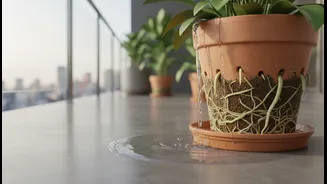
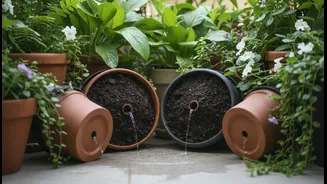
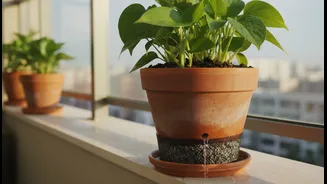
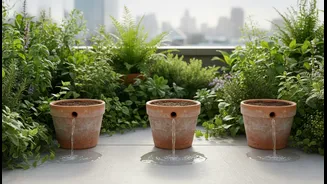
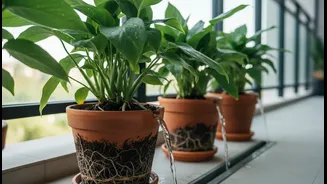
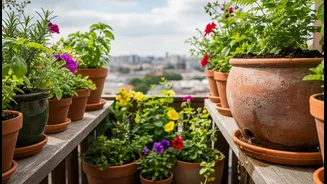
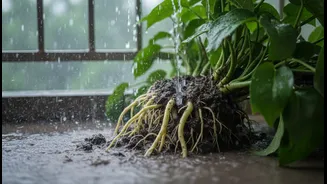
The simplest hack is also the most crucial: your pot must have drainage holes. Without an exit, water pools at the bottom, creating a swampy environment where fungal pathogens thrive, causing root rot. If you fall in love with a decorative pot that has
no holes, you have two options. Either drill them yourself using a specialised drill bit or use the 'cachepot' method: keep your plant in its plain nursery pot with holes, and simply place it inside the prettier, hole-free one. After watering, just be sure to tip out any excess water that collects in the outer pot.
Debunk the Gravel Myth
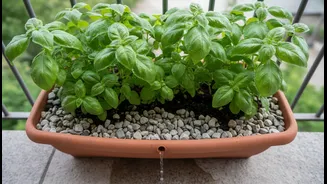
For generations, gardeners have been told to add a layer of gravel or broken pot shards to the bottom of containers to improve drainage. This is a myth. In reality, it does the opposite. Water does not move easily from the fine particles of potting soil to the coarse layer of gravel. Instead, it hits the gravel and stops, creating a saturated zone of waterlogged soil just above the rocks—exactly where your plant's roots are. To ensure proper drainage, it is much more effective to use a high-quality, well-draining potting mix throughout the entire pot.
Amend Your Soil for Better Flow
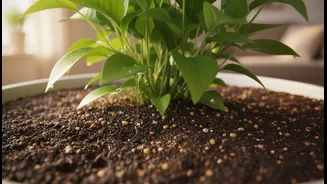
Most standard potting mixes are designed to retain some moisture, but sometimes they hold too much. You can easily improve any soil's drainage by mixing in amendments. Perlite, the small, white, lightweight volcanic glass, is excellent for creating air pockets and improving drainage. Vermiculite also aerates soil but tends to hold a bit more water, making it a good choice for plants that like to stay moist but not wet. For outdoor beds with heavy clay soil, the best amendment is not sand—which can create a concrete-like substance—but organic matter like compost. Compost helps break up dense clay, creating a better structure for water to move through.
Build Up with Raised Beds
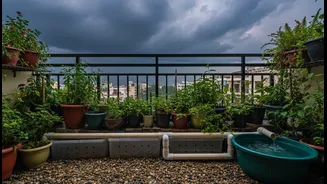
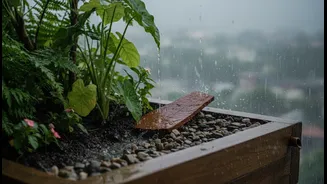
If you're dealing with a garden that has heavy, compacted, or poor-draining clay soil, digging down can feel like a losing battle. The solution is to go up. Building raised garden beds allows you to control the soil environment completely. By elevating the planting area 6 to 12 inches or more, you automatically improve drainage because excess water has a clear path to exit away from plant roots. You can fill these beds with a custom mix of high-quality soil and compost, creating the perfect loamy, free-draining environment from day one without having to fight the native soil.
Consider Fabric Grow Bags
One of the easiest ways to guarantee excellent drainage is to use fabric grow bags. These pots, made from a thick, breathable felt-like material, allow water to drain out from all surfaces, not just from holes at the bottom. This incredible aeration makes it almost impossible to overwater your plants. As an added benefit, the fabric also encourages healthier root systems through a process called 'air pruning'. When roots reach the dry edge of the bag, they stop growing in that direction and instead branch out, creating a more fibrous and efficient root ball.
Water Wisely, Not on a Schedule
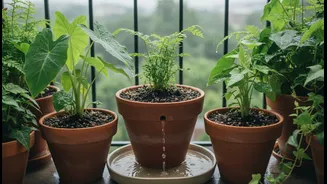
Ultimately, the best drainage in the world can't save a plant from constant overwatering. Avoid watering on a strict schedule, like every Saturday. Instead, check the soil first. The simplest method is to stick your finger an inch or two into the soil; if it feels dry, it's time to water, but if it's still moist, wait another day or two. When you do water, do so thoroughly until water runs out the bottom drainage holes. This ensures all the roots get a drink and also helps flush out any mineral buildup in the soil.