

An End of an Era, A New Beginning
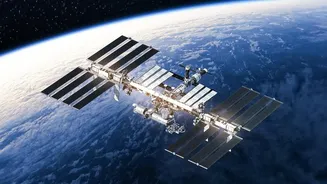
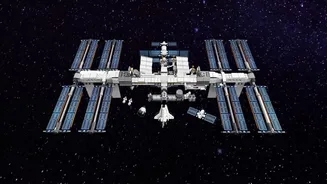
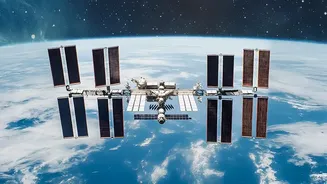
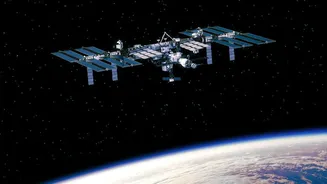
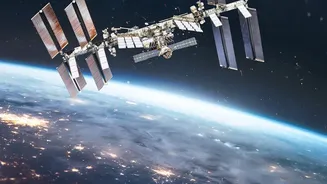
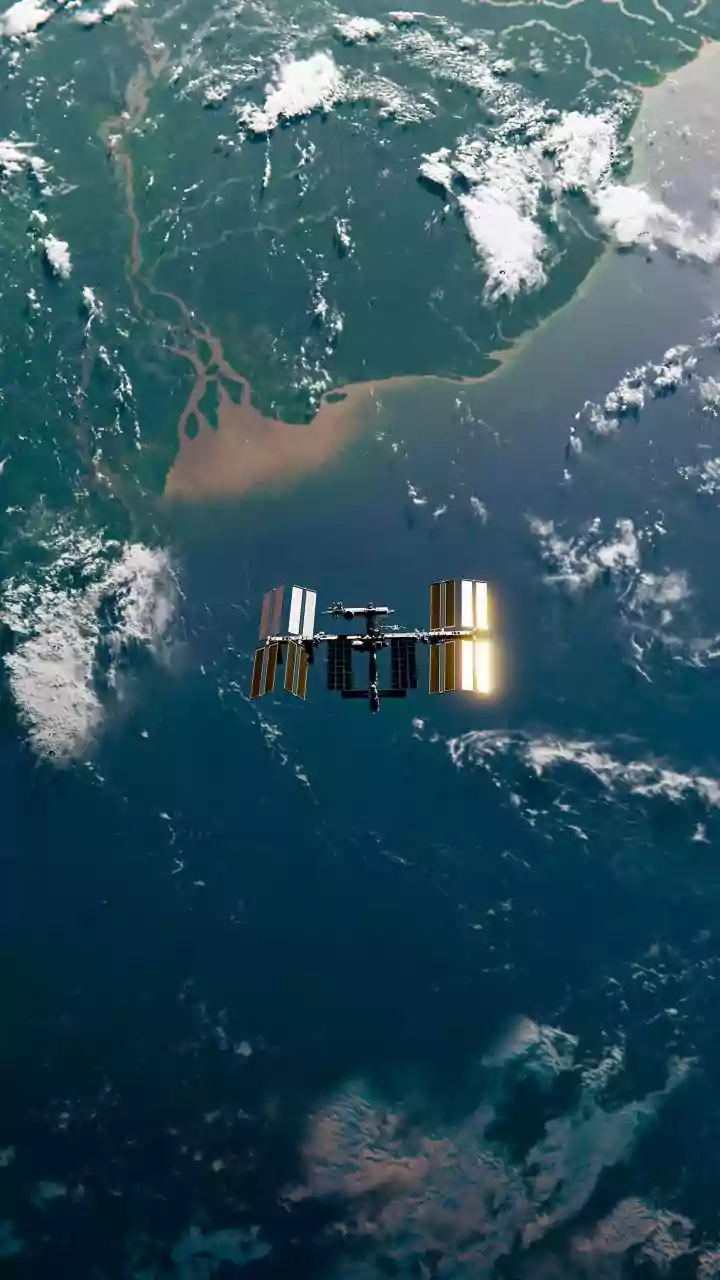
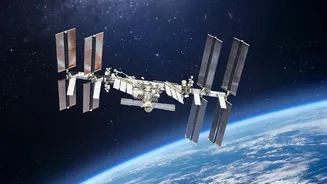
For over two decades, the International Space Station (ISS) has been humanity's home in low-Earth orbit, a sprawling laboratory hosting thousands of experiments. But after years of service, the iconic station is aging. NASA and its partners have scheduled
its controlled deorbit for around 2030, planning for it to break up over a remote stretch of the Pacific Ocean. This pivotal moment is not an end to our orbital presence but a handover. NASA is actively encouraging a new commercial marketplace, intending to be just one of many customers for a fleet of privately owned and operated space stations. This strategy aims to prevent a gap in U.S. orbital presence and foster a vibrant economy 250 miles above the Earth.
The Key Players in the New Space Race
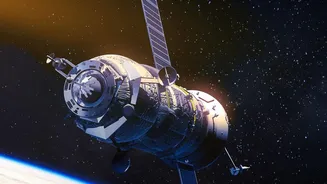
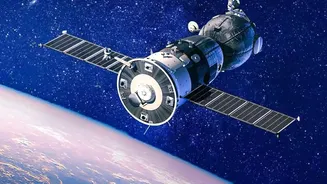
Several ambitious companies are at the forefront of building these orbital successors. Axiom Space is taking a unique approach, planning to first attach its modules to the ISS starting as early as 2027 before detaching to become a free-flying station. Another major player is Vast, which is developing the Haven-1 station, aiming for a 2027 launch to become what could be the first standalone commercial space station. Meanwhile, a partnership between Blue Origin and Sierra Space is developing Orbital Reef, envisioned as a "mixed-use business park" in space. Sierra Space is contributing its innovative Large Integrated Flexible Environment (LIFE) modules—inflatable habitats that launch in a compact form and expand to the size of a multi-story building in orbit.
More Than Just a Laboratory
These next-generation stations are designed for more than just scientific research. While they will offer state-of-the-art facilities for everything from pharmaceutical development to materials science, their business models are much broader. In-space manufacturing is a key area of focus, with companies hoping to leverage the unique microgravity environment to produce high-value products like flawless fiber-optic cables or 3D-printed human organs that are impossible to create on Earth. Other potential markets include technology demonstrations, media production, and even high-end space tourism, offering orbital stays for private astronauts. These stations are being built as versatile platforms to serve a diverse client base, including national space agencies, private corporations, and research universities.
Challenges on the Orbital Frontier
The path to a bustling low-Earth orbit economy is not without significant hurdles. The technical challenges of designing, launching, and operating a human-rated space station are immense. Companies are conducting extensive testing on everything from life support systems to inflatable structures to ensure astronaut safety. Financial viability is another major question. Building a space station is incredibly expensive, and the long-term business case is still being proven. In early 2026, NASA even briefly reconsidered its strategy, concerned that a purely commercial market wasn't yet robust enough, before industry pushback reaffirmed the commitment to privately-owned free-flying stations. These companies are betting that by building the infrastructure, the customers will come, creating a self-sustaining ecosystem.