




Defining ‘Indian Minimalism’
First, let's be clear: this isn't the cold, sterile minimalism of a Scandinavian design catalog or a stark, white-walled art gallery. The minimalism taking root in India is warmer, more textured, and deeply personal. Designers often refer to it as “India
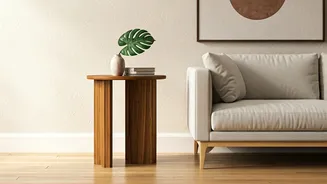
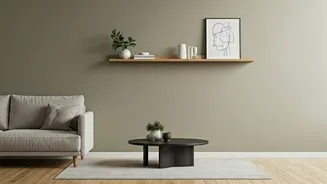
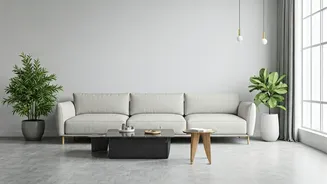
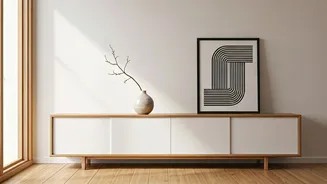
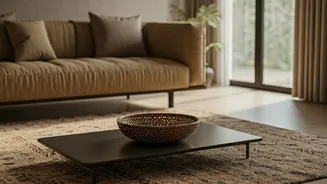
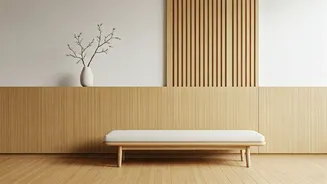
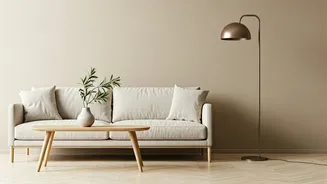
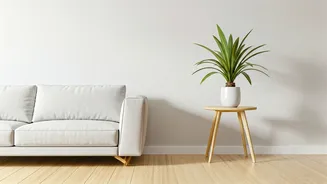
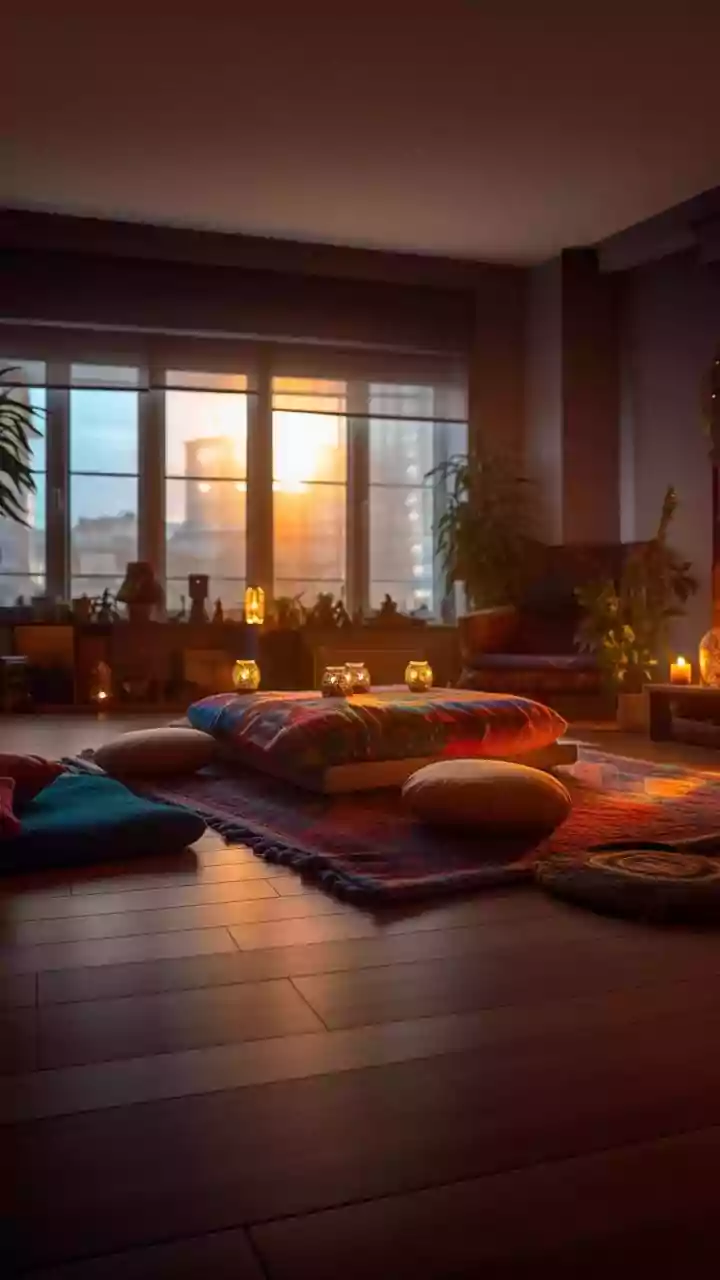
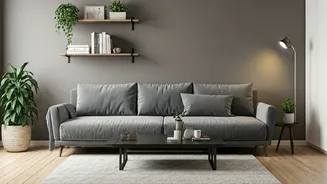
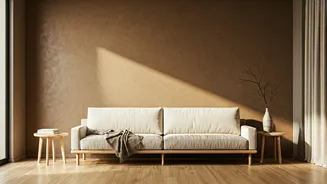
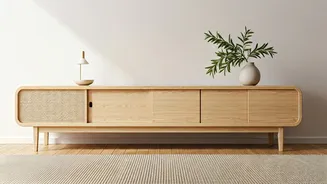
Modern” or “warm minimalism.” It’s less about absence and more about intention. Instead of a room filled with dozens of small, decorative objects, the focus shifts to a few high-quality, meaningful pieces. Think clean lines, uncluttered surfaces, and a celebration of natural materials like teak, bamboo, cane, and stone. Color isn't banished; it’s used deliberately. A vibrant kilim rug or a single piece of bold artwork might anchor an otherwise neutral room. It’s an aesthetic that values light, space, and tranquility over accumulation.
The Urban Squeeze and the Digital Gaze
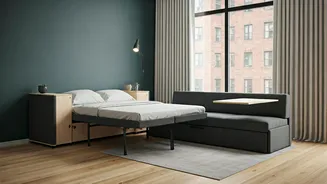
So, what’s driving this shift? Two major forces are at play: practicality and perception. As India’s megacities grow, urban living spaces are shrinking. A sprawling, multi-generational home in a smaller town can accommodate layers of furniture and heirlooms, but a 900-square-foot apartment in Mumbai simply cannot. Minimalism becomes a practical necessity for making a small space feel larger and more functional. Simultaneously, India’s highly connected millennial and Gen Z population is constantly exposed to global trends through platforms like Instagram and Pinterest. The clean, curated aesthetics of “Japandi” (a hybrid of Japanese and Scandinavian design) and other minimalist movements hold a powerful appeal. For a generation that is globally minded, adopting these principles feels like participating in a contemporary, worldwide conversation about style.
A Sanctuary from the Chaos
The psychological aspect cannot be overstated. Life in a major Indian city is a vibrant, often chaotic, sensory overload. The constant noise of traffic, the crush of crowds, and the endless visual stimulation of advertisements and street life can be exhausting. For many, home is becoming a sanctuary—the one place where they can control their environment and find a sense of peace. A decluttered, minimalist space offers a powerful antidote to the outside world. It’s a deliberate choice to create a calm, orderly environment that quiets the mind. This isn't just about looking good; it's about feeling good. In a world of digital notifications and constant demands on our attention, a simple, uncluttered home serves as a much-needed mental and emotional reset button.
Modernity Rooted in Tradition
Perhaps the most interesting aspect of this trend is that it’s not a wholesale rejection of Indian culture. In fact, it’s often a reinterpretation of it. Instead of erasing tradition, Indian minimalism spotlights it. An intricately carved wooden panel, once part of a larger, more ornate piece of furniture, might be mounted on a bare wall like a piece of art. A collection of brass vessels might be reduced to a single, beautifully crafted pot placed on a side table. Handwoven textiles, from block-printed cottons to rich silks, are used as statement pieces rather than overwhelming layers. This approach is about honoring craftsmanship and heritage by giving it room to breathe. It’s a confident aesthetic that says Indian identity doesn’t need to be loud to be present; it can be expressed with quiet, considered elegance.