


The 'Skin-First' Philosophy
For generations, Western beauty often prioritised concealing imperfections with makeup. Korean beauty, or K-beauty, flips that script. The core philosophy is 'skin-first,' focusing on nurturing and protecting the skin to achieve a healthy base that needs
minimal cover-up. For a generation that increasingly values authenticity and wellness, this is a powerful draw. It’s not about hiding who you are, but about caring for yourself from the inside out. This preventative, long-term approach to skin health resonates far more with Gen Z's values than the quick-fix promises of many traditional cosmetic brands.
Ingredient Transparency and Innovation
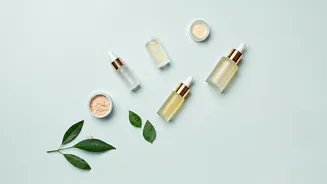
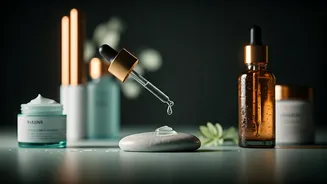
Gen Z is a generation of savvy researchers. They want to know exactly what they’re putting on their skin, and K-beauty delivers. Brands are known for their detailed ingredient lists and for spotlighting innovative, effective, and sometimes unusual components. Ingredients like snail mucin (for hydration and repair), centella asiatica or 'cica' (for soothing inflammation), and propolis (for its antibacterial properties) have become viral sensations. This transparency builds trust. Young consumers feel empowered when they can understand the science behind their products, moving away from vague marketing claims toward proven, beneficial formulas.
A Ritual of Self-Care
The famous 10-step Korean beauty routine might sound intimidating, but for many, it’s not a chore—it’s a ritual. In a world of constant digital noise and pressure, the process of double-cleansing, toning, applying essences, serums, and moisturisers becomes a form of mindfulness. It’s a dedicated moment of the day to unplug, focus on a sensory experience, and do something kind for yourself. This reframing of skincare as self-care is a massive part of its appeal. It’s less about vanity and more about mental and physical well-being, a concept that is deeply important to Gen Z.
Affordability Meets High Efficacy
One of the most practical reasons for K-beauty’s dominance is its price point. Historically, effective skincare was synonymous with luxury brands and eye-watering costs. Korean companies, however, have mastered the art of creating highly effective, technologically advanced products that are surprisingly affordable. Thanks to a competitive domestic market and government support for cosmetic R&D, innovation is rapid and accessible. For young people on a budget, being able to build a comprehensive, high-quality skincare routine without breaking the bank is a game-changer.
Driven by Social Media and Community
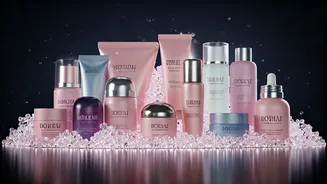
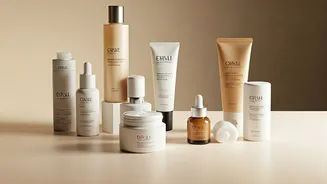
K-beauty and social media are a perfect match. The visually appealing packaging, the satisfying textures of serums and creams, and the visible 'before and after' results are made for platforms like Instagram and TikTok. 'Get Ready With Me' (GRWM) videos, routine tutorials, and honest product reviews create a powerful sense of community. Influencers and everyday users in India share their favourite finds, tips, and personal skin journeys, creating a decentralised, word-of-mouth marketing machine. This peer-to-peer recommendation feels more authentic and trustworthy to Gen Z than a traditional celebrity endorsement.
The 'Glass Skin' Aesthetic
Ultimately, the results speak for themselves. The ultimate goal of most K-beauty routines is 'glass skin'—a complexion so clear, hydrated, and luminous that it appears poreless and reflective, like a pane of glass. This dewy, healthy glow is a stark contrast to the heavy, matte makeup looks that once dominated beauty trends. It aligns perfectly with the Gen Z preference for a more natural, 'no-makeup makeup' look that celebrates, rather than conceals, their real skin. It’s an aesthetic that looks fresh, youthful, and, most importantly, healthy.