







The Core Discovery: When Lungs Begin to Age
One of the most surprising recent findings has overturned a long-held belief about when our lungs start to decline. Previously, it was thought that lung function peaked between the ages of 20 and 25 and then stayed on a stable plateau until about age 40
before beginning a slow decline. However, a major international study published in The Lancet Respiratory Medicine found there is no such plateau. The research, which pooled data from over 30,000 people, showed that lung function begins to decline almost immediately after it peaks—around age 20 for women and 23 for men. This means the process of lung aging starts much earlier than we thought, highlighting the importance of protecting our respiratory health throughout our entire lives, not just in middle age.
Decoding the Jargon: FVC and FEV1 Explained
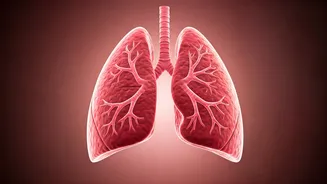
To understand these findings, it helps to know what doctors are measuring. The most common tests use spirometry to assess two key numbers. First is the Forced Vital Capacity (FVC), which is the total amount of air you can forcefully exhale after taking your deepest breath. It's a measure of your lung size. The second is the Forced Expiratory Volume in one second (FEV1), which measures how much of that air you can blow out in the very first second. This shows how quickly your lungs can move air and can indicate if there are any blockages. The recent study found that FEV1 is the measure that begins to decline right after our early twenties. The ratio of these two numbers (FEV1/FVC) helps doctors distinguish between different types of lung problems.
The Indian Context: A Trio of Threats
These findings are especially critical in the Indian context, where our lungs face a unique set of challenges. Air pollution in many Indian cities is among the highest in the world, with levels of particulate matter (PM2.5) regularly exceeding safe limits. Long-term exposure to these pollutants is proven to increase the risk of asthma, Chronic Obstructive Pulmonary Disease (COPD), and lung cancer. This environmental stress is compounded by other factors. Research shows that severe respiratory infections, including COVID-19, can cause lasting damage, including inflammation and scarring, that impairs the lungs' ability to heal properly. When combined with an early-starting natural decline, this trio of pollution, infection after-effects, and lifestyle factors creates a significant public health challenge for the country.
Protecting Your Lungs: Practical Steps
While we can't stop the clock on lung aging, we can take steps to protect our respiratory health. Monitoring the Air Quality Index (AQI) in your area and limiting outdoor exertion on days with very high pollution is a practical first step. When pollution is high, wearing a well-fitting N95 mask can help filter out harmful particulates. Indoors, improving ventilation and considering an air purifier can also reduce exposure, as indoor air can sometimes be more polluted than outdoor air. Regular exercise helps improve lung capacity and efficiency. Additionally, practicing deep breathing exercises, such as pranayama, can strengthen respiratory muscles. Finally, it's crucial not to ignore persistent symptoms like coughing, shortness of breath, or chest tightness. A timely consultation with a doctor can lead to an early diagnosis and better management of any potential issues.