



When to Go and How to Get There
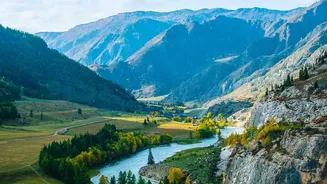
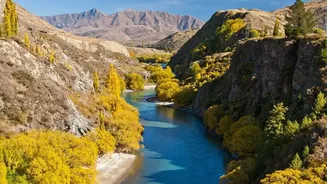
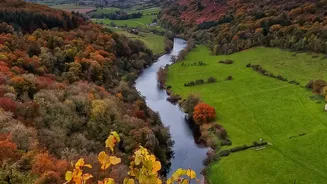
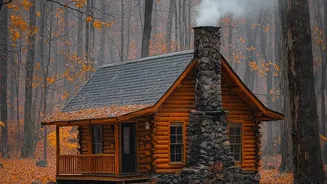
The magic of autumn in Tirthan Valley unfolds from October to November. During this period, the weather is crisp, the skies are generally clear, and the landscape is painted in stunning golden hues, making it ideal for photography and outdoor activities.
Reaching the valley is most convenient by road. The typical route involves an overnight bus from Delhi or Chandigarh to Aut. From Aut, which is about 30 km from the heart of the valley, you can hire a local taxi or take a bus to Banjar, the main town, and then onward to your chosen village. If driving, the journey from Delhi takes around 12 hours. Remember not to enter the tunnel at Aut; the turn-off for Tirthan Valley is just before it.
Gushaini: The Riverside Gateway
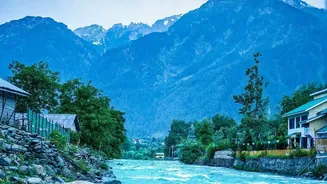
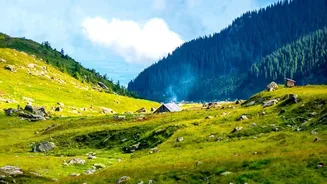
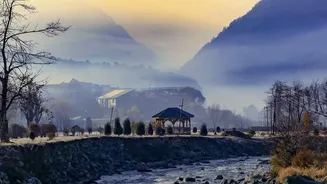
Gushaini is often the first village that comes to mind when planning a Tirthan trip, and for good reason. Situated on the banks of the pristine Tirthan River, it serves as the primary base for those looking to explore the Great Himalayan National Park (GHNP), a UNESCO World Heritage Site. Autumn days here are perfect for leisurely riverside walks, trying your hand at trout fishing (the river is famous for it), or simply relaxing at a homestay with a book. The road effectively ends a little beyond Gushaini, making it the starting point for treks into the park's core zone. Its cluster of homestays and quiet atmosphere make it ideal for travellers seeking tranquility.
Jibhi: Waterfalls and Bohemian Charm
A short drive from the main Tirthan area, Jibhi offers a slightly different, more bohemian vibe with its charming wooden houses and growing café culture. While not directly on the Tirthan River, it is surrounded by dense pine and deodar forests that look spectacular in their autumn colours. The main attractions here are the picturesque Jibhi Waterfall and the traditional Himachali architecture. In October and November, the weather is perfect for exploring the village on foot, enjoying a coffee at a riverside café, or embarking on short hikes into the surrounding forests. Jibhi serves as an excellent base for those who want a blend of relaxation and accessibility to more amenities.
Shoja: Panoramic Vistas from Above
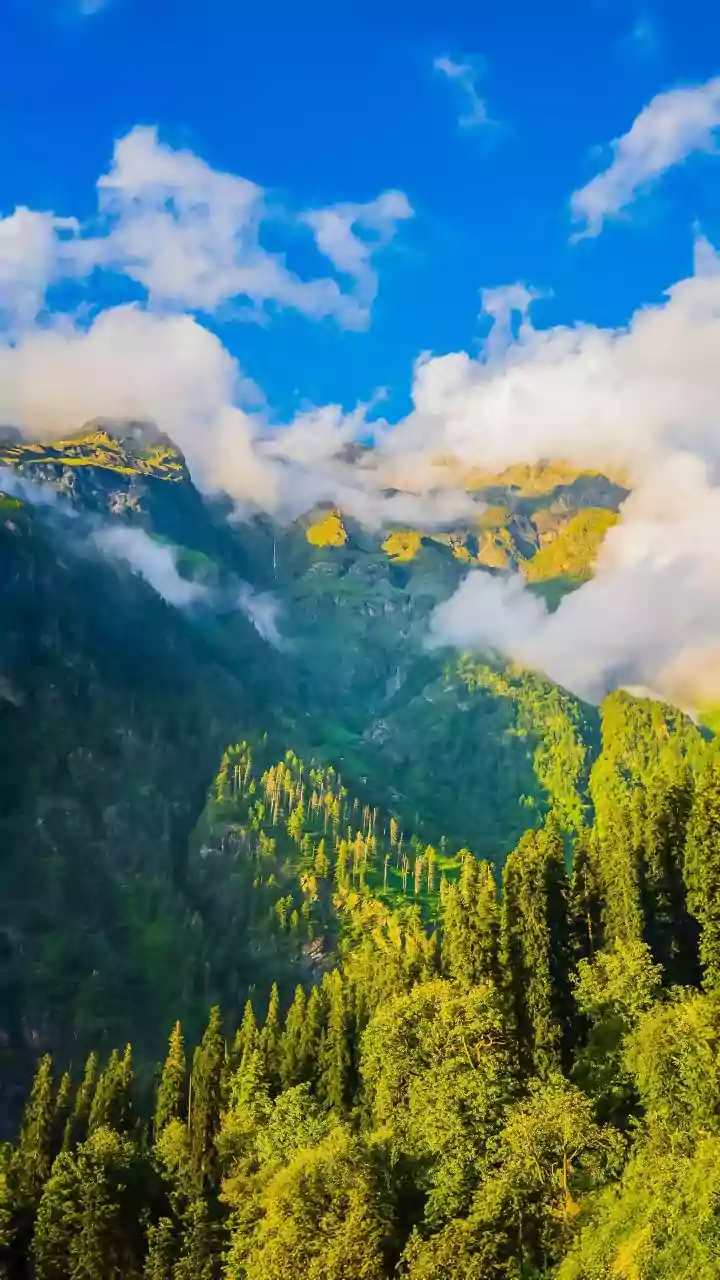
Perched at a higher altitude of over 2,600 metres, Shoja is the place for breathtaking panoramic views of the entire valley and distant snow-capped peaks. The drive up to Shoja in autumn is an experience in itself, with the landscape transforming with every bend. Shoja is the gateway to Jalori Pass, a high-altitude pass at over 10,000 feet that connects the Kullu and Shimla regions. From the pass, you can undertake popular day treks to Serolsar Lake or Raghupur Fort, which offer even more stunning vistas. Due to its altitude, Shoja is colder than the lower villages, so be sure to pack warm layers. The pass is typically open until November, before winter snow closes it.
Choosing Your Stay and Packing Essentials
Tirthan Valley is renowned for its authentic homestays, which offer a chance to experience local hospitality and cuisine. Options range from budget-friendly rooms in family homes to comfortable riverside cottages. Booking in advance is highly recommended, especially during the peak autumn season of October and November. When packing, think in layers. Autumn days can be warm and sunny, but mornings and evenings get cold quickly. Essential items include a warm jacket, comfortable trekking shoes, sunscreen, a hat, and a reusable water bottle. Since ATMs are scarce, it's wise to carry sufficient cash for your stay.