




When Dream Holidays Turn Dangerous
For decades, the peak summer holiday meant flocking to the sun-baked coasts of Spain, Italy, and Greece. But as climate change intensifies, these dream destinations are increasingly turning into sites of distress. Recent years have seen record-breaking
heatwaves sweep across Europe, forcing authorities to close major tourist attractions like the Acropolis in Athens to protect visitors. [11, 13] The issue isn't just discomfort; it's a genuine health risk. Hospitals have reported surges in heat-related emergencies, and tragic stories of tourists dying from heatstroke have become more common. [15, 17] Wildfires exacerbated by the dry, hot conditions have also led to mass evacuations on islands like Rhodes, turning long-awaited holidays into chaotic scrambles for safety. [11, 22] As a result, many travellers are vowing never again to book a mid-summer trip to southern Europe, fundamentally rethinking what a summer vacation should look like. [2, 22]
The Rise of the 'Coolcation'
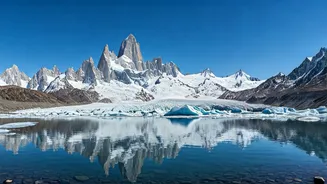
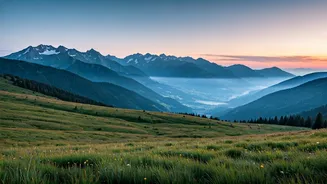
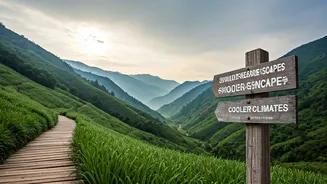
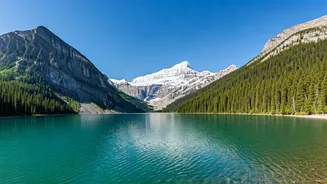
In response to the oppressive heat, a new travel buzzword has gone mainstream: the 'coolcation'. [8] Travellers are purposefully seeking out destinations with milder climates to enjoy their summer breaks. Instead of the Mediterranean, tourists are now looking north. Countries like Iceland, Norway, Ireland, and Switzerland are seeing a surge in interest. [1, 9, 14] These destinations offer stunning natural landscapes, from Norwegian fjords to the Swiss Alps, without the risk of heat exhaustion. [4, 8] The appeal is clear: you can comfortably hike, sightsee, and explore during the day. Destinations include the coastal cities of Poland, the mountains of Scotland, and even the Canary Islands, which benefit from cooler Atlantic breezes. [6, 7] It's a significant shift, driven not just by a desire for novelty, but by the practical need for a safe and enjoyable holiday. [12]
Shoulder Seasons Are the New Peak
It’s not just *where* people are travelling, but *when*. The 'shoulder seasons'—the periods in spring (April-May) and autumn (September-October)—are rapidly becoming the new preferred time to visit traditionally hot countries. [18, 20] Travellers are discovering that visiting places like Italy or Greece outside of the peak July-August window offers a far more pleasant experience, with warm but manageable temperatures. [2] This shift is being driven primarily by a desire for comfort and a better travel experience, rather than just lower prices. [16] Travel companies have reported significant increases in bookings for these months. [20] Some operators have even stopped offering physically active trips, like hiking tours in Spain and Portugal, during the hottest summer months altogether. [20] This trend allows tourists to enjoy popular sites without the crushing crowds and oppressive heat of mid-summer. [18]
How the Travel Industry Is Adapting
The travel industry is taking note of this behavioural change. Hotels in heat-prone areas are finding that air conditioning is no longer a luxury but a basic expectation for guests. [13] Tourism boards and operators are actively promoting their shoulder seasons, extending the traditional tourist calendar to smooth out demand. [18] There's also a growing interest in 'nocturnal tourism', where attractions shift their opening hours to the cooler evenings. [2, 17] Some destinations are getting creative, with travel giant TUI sponsoring marathons in places like Cyprus during the off-season to attract a different kind of visitor. [18] As climate patterns become more unpredictable, flexibility is becoming key. Experts anticipate that meteorological services will work more closely with tourism bodies to provide advance warnings, and travellers will increasingly book later to ensure conditions are favourable. [22]