





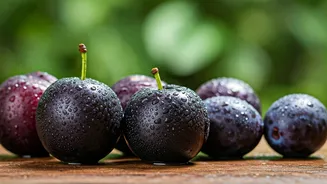



A Bounty of Seasonal Choices
The rainy season in India blesses us with a wonderful variety of fruits. The sweet and tangy Jamun (Indian blackberry) is a seasonal favourite, known for its antioxidants. Juicy litchis, available at the beginning of the monsoon, offer a burst of Vitamin
C and hydration. Plums, peaches, and pears also make a welcome appearance, each bringing its own set of nutrients like fibre and essential vitamins to the table. These fruits are not only delicious but also play a role in keeping you healthy by providing hydration and boosting energy levels during the damp and gloomy days of the monsoon.
Why Pomegranate Deserves the Crown
Among this impressive lineup, the pomegranate stands out as a true monsoon champion. While other fruits offer significant benefits, the pomegranate provides a unique and potent combination of properties that are especially suited to tackling the health challenges of the rainy season. Its jewel-like seeds, or arils, are packed with compounds that offer a three-pronged defence: boosting immunity, supporting digestion, and reducing inflammation, making it an invaluable addition to your monsoon diet.
Your Personal Immunity Guardian
The monsoon is notorious for bringing a surge in infections like the common cold and flu. This is where pomegranate truly shines. It is loaded with Vitamin C, a crucial nutrient for strengthening your immune system and helping your body fight off these seasonal ailments. But its power goes beyond just one vitamin. Pomegranates are exceptionally rich in powerful antioxidants, such as punicalagins and anthocyanins. These compounds protect your body's cells from damage and reduce oxidative stress, which helps your immune system function more efficiently. Regular consumption can help keep your defences strong throughout the season.
A Soothing Balm for Your Gut
Digestive problems are another common complaint during the monsoon, often due to a higher risk of water and food contamination. Digestion can become sluggish in the humid weather. Pomegranate can be a great ally for your gut health. It is a good source of dietary fibre, which is essential for maintaining regular bowel movements and preventing constipation. Furthermore, compounds in pomegranates have anti-inflammatory properties that can help soothe an irritated digestive tract. Some research even suggests that pomegranates can promote the growth of beneficial gut bacteria, contributing to a healthier gut microbiome overall.
An All-Round Nutritional Powerhouse
Beyond immunity and digestion, pomegranates offer a wealth of other nutrients. They are a good source of Vitamin K, folate, and potassium. Potassium is important for heart health and regulating blood pressure, while folate is vital for cell growth and function. The unique antioxidants in pomegranates have also been studied for their potential benefits to heart health, including helping to reduce bad cholesterol levels. This makes the fruit not just a seasonal defender but a contributor to your long-term wellness.
Easy and Versatile to Enjoy
One of the best things about pomegranates is how easy they are to incorporate into your diet. The vibrant arils can be eaten on their own for a refreshing snack. You can also sprinkle them over your morning yoghurt, oatmeal, or salads to add a crunchy texture and a burst of flavour. They make a colourful and nutritious garnish for chaat and other savoury dishes. While fresh juice is an option, eating the whole arils is recommended to get the full benefit of the fibre. This versatility ensures you can easily reap its rewards without much effort.