




What Are Hyper-Palatable Foods?
Hyper-palatable foods are processed items engineered to be irresistibly delicious. Think of your favorite snacks: chips, cookies, ice cream, and even some fast-food burgers. They are not just tasty; they are scientifically crafted to hit all the right
notes in your brain. The goal is to create a sensory experience so rewarding that it becomes difficult to stop eating. These foods typically contain specific combinations of fat, sugar, sodium, and carbohydrates at levels rarely found in nature. This potent mix is the secret behind their power to make you overeat.
The Irresistible Combination
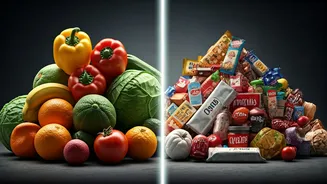
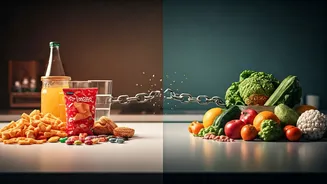
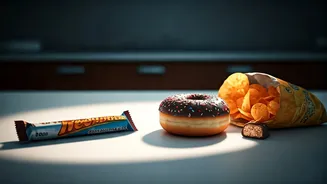
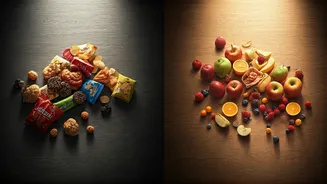
Food scientists have identified three key combinations that make foods hyper-palatable. The first is a mix of fat and sodium, found in foods like bacon, hot dogs, and pizza. The second is a blend of fat and simple sugars, the magic formula for cakes, doughnuts, and ice cream. The third combines carbohydrates and sodium, which makes items like crackers, pretzels, and popcorn so moreish. These combinations are rarely found in whole foods like fruits and vegetables, which typically contain either sugar (like an apple) or fat (like an avocado) but not a high-level combination of both. This engineered pairing is what gives processed snacks their unique and powerful allure.
Your Brain on Snacks
When you eat a hyper-palatable food, your brain's reward system lights up. The potent combination of fat, sugar, and salt triggers a release of dopamine, a neurotransmitter associated with pleasure and reward. This creates a pleasurable sensation that your brain wants to experience again and again. The effect is so powerful that some researchers suggest it can mimic the mechanisms of addiction, creating a cycle of cravings and compulsive eating behaviors. Over time, your brain can become wired to seek out these foods, not for hunger, but for the rewarding feeling they provide.
Engineered for Overconsumption
The food industry invests heavily in research to find the "bliss point" for their products. This term, coined by market researcher Howard Moskowitz, refers to the precise amount of sugar, salt, and fat that optimizes deliciousness and keeps you coming back for more. It's not just about taste; texture, aroma, and even the sound a food makes (like the crunch of a chip) are all carefully engineered to enhance the experience. These foods are often low in fibre and protein, which are nutrients that help you feel full. By stripping away the elements that signal satiety and amplifying the ones that trigger pleasure, manufacturers create a product that's very easy to overconsume.
Overriding Your Fullness Cues
Our bodies have a complex system of hormones to regulate hunger and fullness. Hormones like ghrelin tell us when we're hungry, while others like leptin signal that we're full. Frequent consumption of hyper-palatable foods can interfere with this system. The intense reward signals from these foods can overpower the body's natural satiety cues, pushing you to eat more than you need. You might continue to feel cravings even when your stomach is physically full because your brain is still chasing that dopamine hit. This disruption can lead to excess calorie intake and, over time, may contribute to weight gain.
Reclaiming Your Palate
Recognizing the science behind your snacking habits is the first step toward change. It’s not about completely eliminating these foods but developing a more mindful approach. Experts suggest focusing on a diet based on whole, unprocessed foods. Including more protein and fibre at every meal can help you feel fuller for longer and reduce cravings. When you do have a snack, try to eat it slowly and mindfully, paying attention to the taste and texture to fully enjoy it. Reducing the availability of hyper-palatable foods in your home can also set you up for success. By understanding the forces at play, you can make more conscious choices about the food you eat.