

The 'Almost-Free' Travel Mindset
First, let's address the term 'budget-free'. While literally spending nothing is nearly impossible, travelling for next to nothing is a reality for many resourceful young adventurers. This isn't about skipping meals; it's about a value exchange. Platforms
like Workaway and Worldpackers are central to this idea. In exchange for a few hours of work per day—helping at a hostel, on an organic farm, or teaching English—travellers receive free accommodation and often meals. This approach transforms a trip from a simple holiday into an immersive cultural experience, allowing you to connect with local communities on a deeper level. For Gen Z, who prioritise authentic experiences, this is a massive draw. This generation is known for being money-savvy, willing to sacrifice small luxuries for the bigger prize of travel.
Essential Visas and Paperwork for Indians
Before you plan anything else, get your visas sorted. For Indian citizens, both Laos and Cambodia offer relatively straightforward processes. Laos provides a visa on arrival as well as an e-Visa option. The e-Visa is often recommended to save time at border crossings and can be applied for online before you leave. Cambodia also has an e-Visa system and visa on arrival. Ensure your passport has at least six months of validity from your date of entry. While rules can change, these friendly visa policies make the region accessible for Indian travellers. Many Gen Z travellers find visa requirements stressful, so getting this done early is key. Always carry a few extra passport-sized photos and some US dollars in cash, as small fees for stamping passports at land borders can sometimes be requested.
Mastering the Overland Routes
The magic of this journey lies in travelling overland. It's not just cheaper; it allows you to witness the changing landscapes and cultures firsthand. The most popular route often involves travelling from one country to the next via bus. These services are frequent and extremely affordable. For example, a bus journey from Phnom Penh in Cambodia to the Don Det (4000 Islands) area in Laos is a well-trodden backpacker trail. While flights are faster, they erase the adventure of the journey itself. Be prepared for long travel days and basic amenities, but the trade-off is immense savings and unforgettable scenery. Always book bus tickets from reputable companies or your guesthouse to avoid scams, and be patient at border crossings, which can take an hour or two.
Finding a Place to Sleep for Free
Beyond work exchange programs, Couchsurfing is another pillar of ultra-low-cost travel. The platform connects you with locals who offer a spare bed or couch for free. This is purely about cultural exchange, not a free hotel. For solo travellers, it's a fantastic way to meet people and get insider tips on a destination. However, safety is paramount. Always check a host’s references and reviews thoroughly, have a backup plan, and let someone know where you are staying. For many Gen Z travellers, using apps to find accommodation and deals is second nature, and Couchsurfing fits right into this digital-first approach.
Eating Well on a Minimal Budget
One of the greatest joys of Southeast Asia is the food, and thankfully, it's also incredibly cheap. To keep costs down, eat like a local. Street food stalls and bustling markets are your best friends. A delicious and filling bowl of noodle soup or a plate of rice with toppings will often cost less than a cup of coffee back home. You can easily get by on a few hundred rupees a day for food. Many hostels also have communal kitchens, so you can buy fresh ingredients from a local market and cook your own meals, which is another great way to save money and meet other travellers.
Embracing Free Attractions and Activities
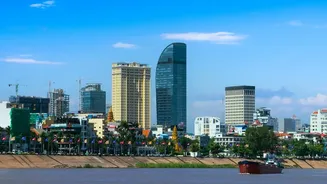
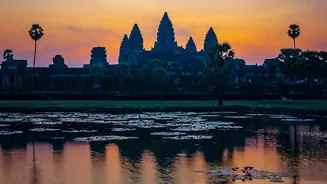
The most memorable parts of your trip will likely be the ones that cost the least. Wandering through the old town of Luang Prabang, watching the sunset over the Mekong River, exploring local villages, and hiking to waterfalls are often free or require a very small entrance fee. In cities like Phnom Penh and Siem Reap, simply exploring the vibrant streets, markets, and pagodas on foot is an activity in itself. The focus of a budget-free trip is on the richness of the experience, not on ticking off expensive tourist attractions. It’s about slowing down, observing daily life, and making genuine connections.