



Rediscovering an Ancient Super Grain
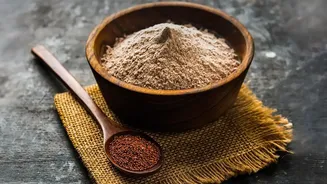
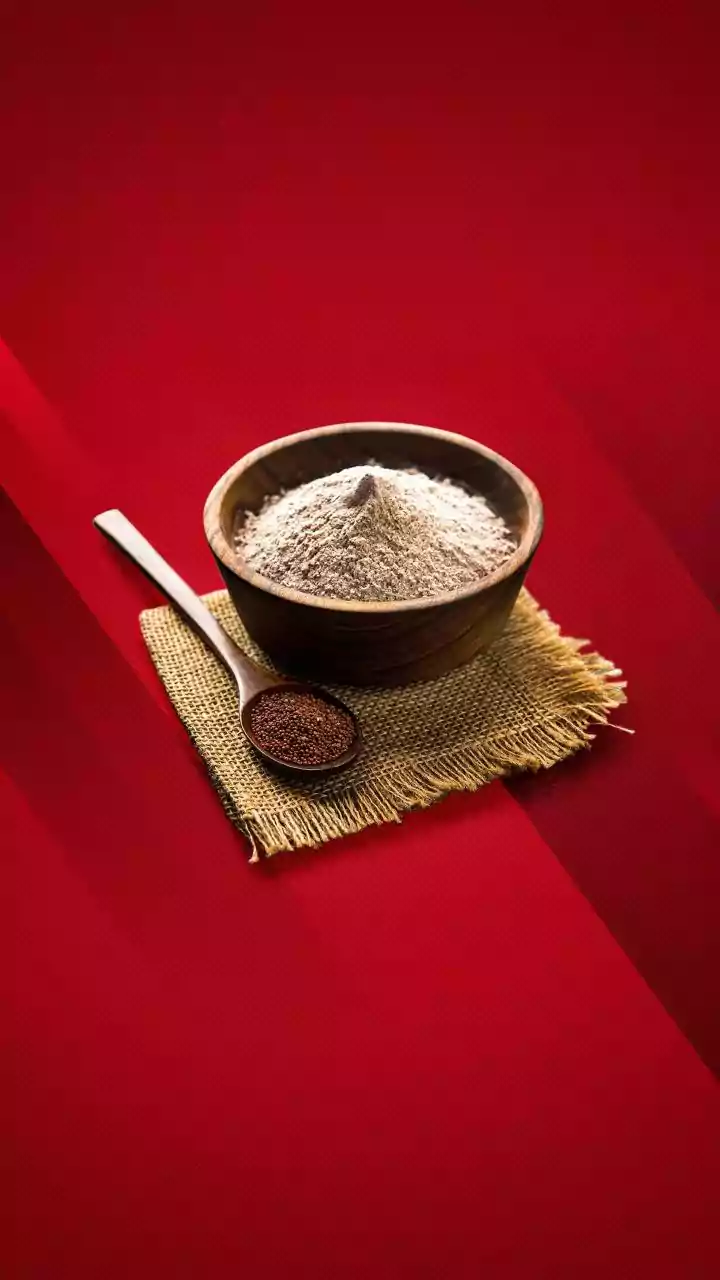
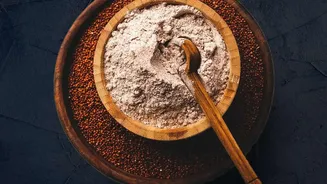
Ragi, also known as finger millet, is a humble yet mighty grain that has been a staple in South Indian and African diets for thousands of years. While it may have been overshadowed by wheat and rice, ragi is making a powerful comeback as a superfood,
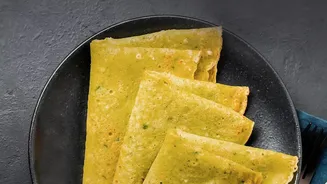
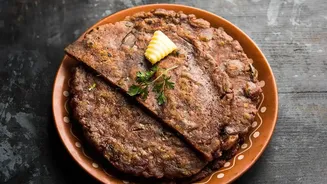
celebrated for its incredible nutritional profile and versatility. Naturally gluten-free, this resilient grain thrives in harsh climates and packs a dense concentration of nutrients, making it an excellent and sustainable choice for modern diets. From traditional porridge and rotis to contemporary crepes and dosas, ragi is finding its way back into kitchens as people seek healthier, whole-grain alternatives.
A Powerhouse of Essential Nutrients
The health benefits of ragi are extensive, making it a valuable addition to any meal. It is exceptionally rich in calcium, with some studies noting that 100 grams of ragi can provide a significant portion of your daily calcium needs, making it fantastic for bone health and helping to prevent conditions like osteoporosis. Ragi is also a great source of iron, which is crucial for preventing anaemia and maintaining energy levels. Its high dietary fibre content aids digestion, promotes gut health, and keeps you feeling full for longer, which can assist in weight management. Furthermore, ragi has a low glycemic index, meaning it releases sugar into the bloodstream slowly, helping to manage blood sugar levels and providing sustained energy without the crash associated with refined carbohydrates.
The Savoury Ragi Crepe Recipe
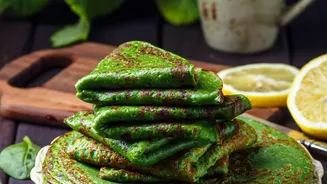
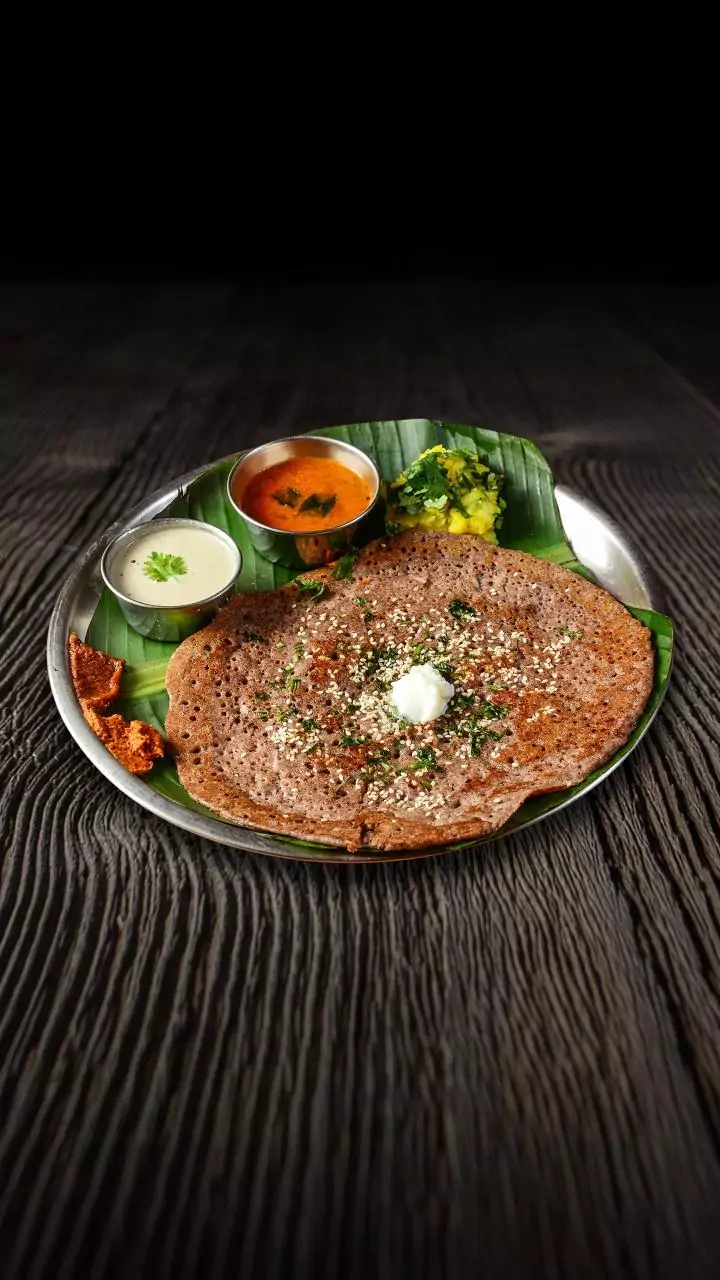
Making these nutritious crepes, often called ragi dosa or chilla in India, is surprisingly simple. For a basic savoury version, you'll need a few key ingredients. Combine one cup of ragi flour with half a cup of rice flour for crispiness. To this, add finely chopped onion, green chillies, and fresh coriander for flavour. Mix in salt to taste and about three cups of water, adding it gradually to form a thin, lump-free, and pourable batter. The consistency should be runny, more like a traditional rava dosa batter, as this is key to achieving a crispy texture. Let the batter rest for at least 15-20 minutes to allow the flours to hydrate properly.
Cooking for the Perfect Crisp
To cook the crepes, heat a non-stick or cast-iron tawa over medium heat. Once hot, give the batter a good stir, as the flour tends to settle at the bottom. Pour a ladleful of the thin batter from a slight height onto the hot tawa, moving in a circular motion from the outside in. Don't try to spread it like a thick pancake; the runny batter will create its own lacy pattern. Drizzle a little oil or ghee around the edges and cook for 3-4 minutes on medium heat until the edges turn golden brown and begin to lift from the pan. There's often no need to flip it. Once crispy, gently fold it over and serve hot.
Tips and Delicious Variations
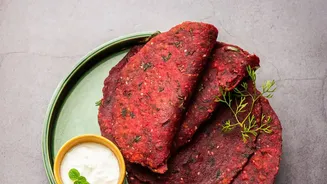
Customising your ragi crepes is easy. For extra flavour and nutrients, consider adding grated vegetables like carrots or beetroot to the batter. A pinch of cumin seeds or a tempering of mustard seeds and curry leaves can also elevate the taste. If you have curd (yoghurt) on hand, adding it to the batter can provide a pleasant tang. These crepes are best enjoyed immediately with a side of coconut chutney, spicy tomato chutney, or sambar for a complete and satisfying breakfast experience. They offer a perfect balance of health and flavour, proving that nutritious food can also be incredibly delicious.