






If you have a home loan, you know your EMI is one of your biggest monthly expenses. Now, there's a possibility those payments could change. Banks are re-evaluating their floating lending rates, which could directly affect your household budget.
Decoding Floating Interest Rates
First,
let's break down what a 'floating' rate means. Unlike a fixed-rate loan where the interest rate is locked for the entire tenure, a floating rate moves up or down based on market conditions. Most home loans taken in India in recent years are on floating rates. The advantage is that when market rates fall, your loan becomes cheaper. The downside is the uncertainty; if rates go up, so does your cost of borrowing. This could mean either your monthly EMI increases or your loan tenure gets extended to accommodate the higher interest.
The Engine Room: Repo Rate and EBLR
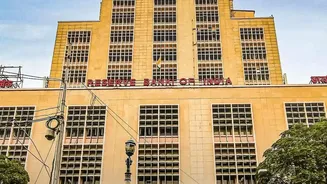
So what drives these changes? The key player is the Reserve Bank of India (RBI) and its policy 'repo rate'. Think of the repo rate as the interest rate at which the RBI lends money to commercial banks. When the RBI changes this rate, it impacts the banks' cost of funds. Since October 2019, all new floating rate retail loans are required to be linked to an external benchmark. Most banks have chosen the RBI's repo rate for this, creating what is known as the External Benchmark Lending Rate (EBLR). Your home loan's interest rate is typically the bank's EBLR plus a 'spread' or margin. This system ensures that when the RBI adjusts its policy rates, the change is transmitted to borrowers more quickly and transparently.
How Rate Revisions Impact Your Wallet
When banks revise their lending rates in response to an RBI repo rate change, your EBLR-linked loan is directly affected. If the repo rate goes up, your home loan rate will increase at the next 'reset date', which for EBLR loans is at least once every three months. This will lead to a higher EMI or a longer repayment period. For example, a 0.25% increase on a ₹30 lakh loan for 20 years could increase your EMI by nearly ₹500 per month. Conversely, if the RBI cuts the repo rate to boost the economy, you stand to benefit from lower EMIs or a shorter tenure after the next reset.
What About Older MCLR-Based Loans?
If your loan was taken before October 2019, it might be linked to an older system called the Marginal Cost of Funds based Lending Rate (MCLR). Unlike EBLR, MCLR is an internal benchmark set by the bank based on its own cost of funds. Rate changes in the MCLR system are typically slower and less direct compared to EBLR. This means that during a rate-cutting cycle, EBLR borrowers see the benefits faster. In a rising rate environment, MCLR loans might seem cheaper for a while as the hikes take longer to reflect, but they lack the transparency of the EBLR system.
What Should You Do Now?
Given the dynamic nature of floating rates, it is crucial to stay informed. First, check your loan statement to understand which benchmark your loan is linked to—EBLR or MCLR. If you are on an older, higher-rate MCLR loan, it may be beneficial to switch to the EBLR system. Banks allow this switch, though it may involve a small administrative fee. A switch makes sense if the new rate is significantly lower and your remaining loan tenure is long enough to make the savings worthwhile. Beyond switching, you can also consider making partial prepayments when you have surplus funds. On a floating rate loan, there are no prepayment penalties, and this is an effective way to reduce your principal outstanding and, therefore, your total interest burden.