



The Gut-Skin Axis: Your Body's Inner Dialogue
Scientists call this connection the 'gut-skin axis,' a two-way communication network linking your gut and your largest organ, the skin. This conversation is heavily influenced by your gut microbiome—the trillions of microorganisms living in your digestive
tract. When your gut is balanced and healthy, it sends signals that support calm, resilient skin. However, an imbalance, known as dysbiosis, can trigger systemic inflammation throughout the body. This inflammation can then manifest on your skin as acne, redness, eczema, or rosacea, essentially making your skin a mirror of your internal gut health.
Fibre: The Unsung Hero of Gut Health
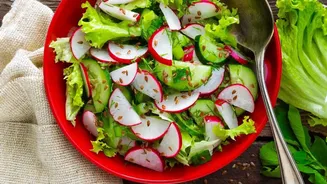
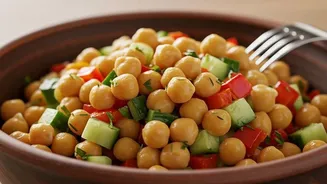
This is where a daily salad bowl comes in. Salads, packed with a variety of vegetables, are an excellent source of dietary fibre. Unlike other nutrients, fibre travels undigested to your colon, where it becomes food for your beneficial gut bacteria. These well-fed microbes ferment the fibre and produce beneficial compounds called short-chain fatty acids (SCFAs), such as butyrate, propionate, and acetate. These SCFAs are vital for a healthy gut; they provide energy for the cells lining your colon, strengthen the gut barrier to prevent toxins from leaking into the bloodstream, and powerfully reduce inflammation throughout the body.
A Rainbow of Nutrients for a Radiant Glow
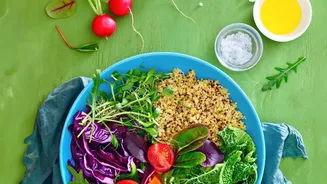
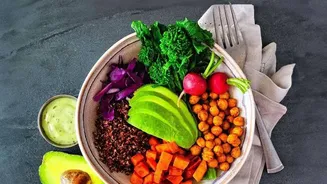
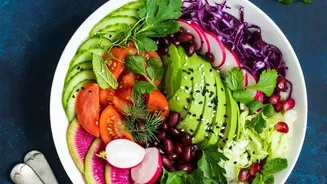
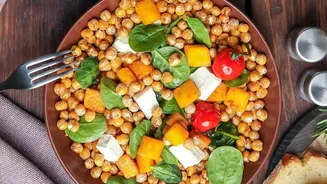
Beyond fibre, a colourful salad offers a symphony of vitamins and antioxidants essential for skin health. Red bell peppers and tomatoes are rich in Vitamin C, a crucial component for producing collagen, the protein that keeps skin firm. Orange vegetables like carrots and sweet potatoes are loaded with beta-carotene, which your body converts to Vitamin A—an antioxidant essential for skin cell growth and repair. Dark leafy greens like spinach and kale deliver Vitamin E, which helps protect skin from sun damage, and Vitamin K, which helps protect collagen. By 'eating the rainbow,' you provide your skin with a wide array of tools to fight environmental damage and maintain its resilience.
Building a Better Bowl for Maximum Benefit
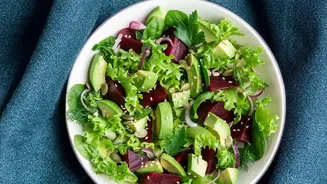
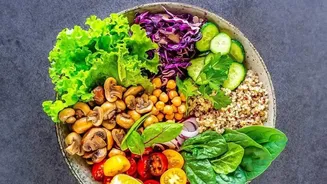
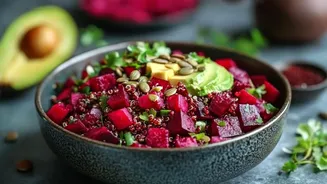
The power of a salad lies in its diversity. Aim to include a wide variety of plants to feed different types of beneficial bacteria. Ingredients rich in prebiotic fibre—a specific type that acts as a super-fuel for good microbes—are especially valuable. Think asparagus, onions, and garlic. A single salad can easily contain a mix of greens, colourful vegetables, nuts, and seeds, helping you reach the goal of eating 30 different plant types per week, which is often recommended for a thriving microbiome. Also, don't forget to add a source of healthy fat, like avocado or an olive oil-based dressing. This is crucial for helping your body absorb fat-soluble vitamins like A, E, and K. Be mindful of creamy, sugary dressings, which can counteract the benefits by feeding less desirable bacteria.
A Marathon, Not a Sprint
Improving your gut microbiome and, in turn, your skin, doesn't happen overnight. It requires consistency. Incorporating a fibre-rich, nutrient-dense salad into your daily routine is a powerful step towards building a healthier internal ecosystem. But it's part of a bigger picture that includes adequate sleep, stress management, and overall dietary quality. Studies show that while the effects on skin may be modest initially, consistent high-fibre diets lead to significant improvements in bowel-related quality of life and beneficial shifts in gut bacteria, which lays the foundation for long-term health benefits.