


The cosmos is a spectacle waiting to be seen, and you don’t need a pricey telescope to enjoy it. India’s diverse landscapes offer stunning celestial views. Here’s how you can start your stargazing journey with little more than your own eyes.
Find Your Dark Sky
The most crucial
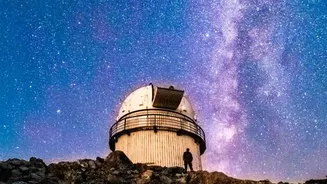
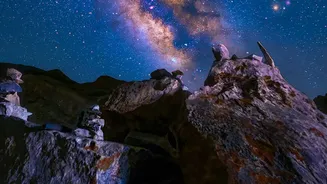
factor for good stargazing isn't equipment, but a dark sky. Light pollution from cities washes out all but the brightest stars and planets. To truly see the universe, you need to get away from urban centres. India is blessed with many accessible dark-sky locations. High-altitude deserts like Ladakh and Spiti Valley in the Himalayas offer some of the clearest, darkest skies in the world. Places like the Hanle Dark Sky Reserve in Ladakh are specifically protected for their pristine night conditions. Other prime spots include the Rann of Kutch in Gujarat, where the vast salt flats create a surreal viewing experience, and hill stations like Coorg in Karnataka or Mukteshwar in Uttarakhand. Even a short drive an hour or two away from city limits can dramatically improve your view.
Let Your Eyes Adapt
Once you've found your dark spot, the next step requires patience. Your eyes need time to adjust to the darkness, a process called dark adaptation. It takes about 20 to 30 minutes for your pupils to fully dilate and for your eyes to build up the light-sensitive chemicals needed to see faint objects. During this time, avoid looking at any bright lights, especially your phone screen. White light will instantly reset your night vision. If you need a light source, use a red torch, as red light has the least impact on dark adaptation. You can even turn your phone screen red using certain apps or settings. The reward is immense: after adapting, you can see thousands of stars instead of just a few hundred.
Know What to Look For
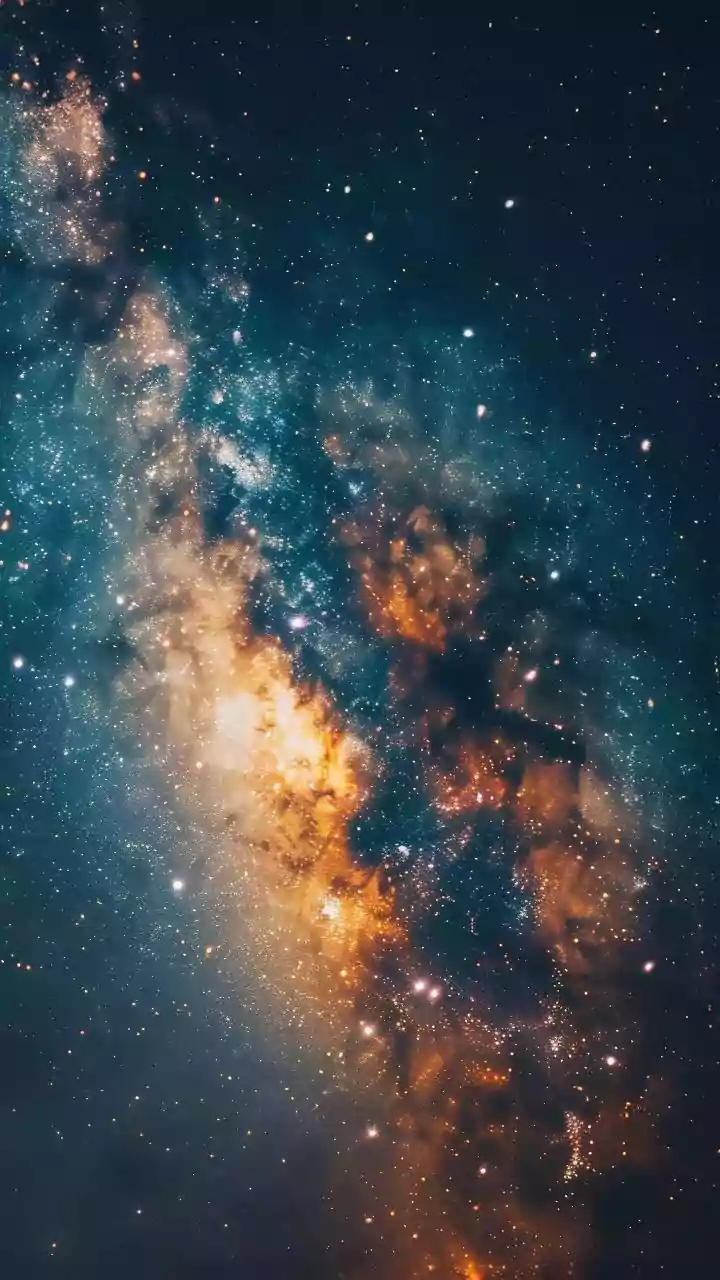
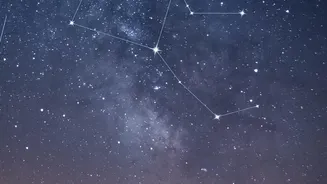
The naked eye can see a surprising amount. Start by identifying the Moon; notice its phase and features. Five planets – Mercury, Venus, Mars, Jupiter, and Saturn – are often visible as bright, steady points of light that don't twinkle like stars. Bright constellations are another easy target. In India, Orion (the Hunter) is prominent in the winter sky (November-March), while the Saptarishi (Ursa Major or the Big Dipper) is visible year-round in the north. On a clear, moonless night in a dark location, the magnificent band of the Milky Way galaxy will stretch across the sky, with its dense core best seen during the summer months. With keen eyes, you can even spot the faint, fuzzy patch of the Andromeda Galaxy, the most distant object visible without aid.
A Little Help From Your Phone
While specialist equipment isn't necessary, your smartphone can be an invaluable guide. Free stargazing apps like Stellarium, SkyView Lite, and Star Walk 2 use your phone's GPS and compass to create a real-time map of the sky. Simply point your device at a celestial object, and the app will identify it for you, showing constellation lines, planet names, and more. These apps can also help you find specific objects, track satellites like the International Space Station (ISS), and get information about upcoming events like meteor showers. Many have a 'night mode' that turns the display red to preserve your night vision. Some apps like 'Bhagol: Indian Sky Map' are even tailored with Indian astronomical references.
Plan for Celestial Events
Stargazing becomes even more exciting when you plan it around specific celestial events. Meteor showers, often called 'shooting stars', occur when Earth passes through the debris trail of a comet. Major annual showers visible from India include the Perseids in August and the spectacular Geminids in December. For these events, just lie back on a blanket and look up. Another thrilling sight is a conjunction, when two or more planets appear very close together in the sky. Lunar and solar eclipses are also fantastic opportunities, but always use certified solar glasses to view a solar eclipse safely. Apps and astronomy websites will have calendars listing these events far in advance, allowing you to plan your stargazing nights for maximum wonder.