




The City That Never Cools
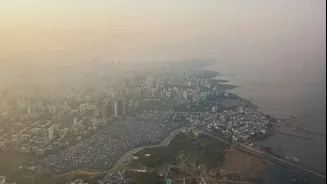
This phenomenon is known as the Urban Heat Island (UHI) effect. In simple terms, it means our cities are significantly warmer than the surrounding rural areas. This is not just a daytime issue; the real problem often begins after sunset. While the countryside
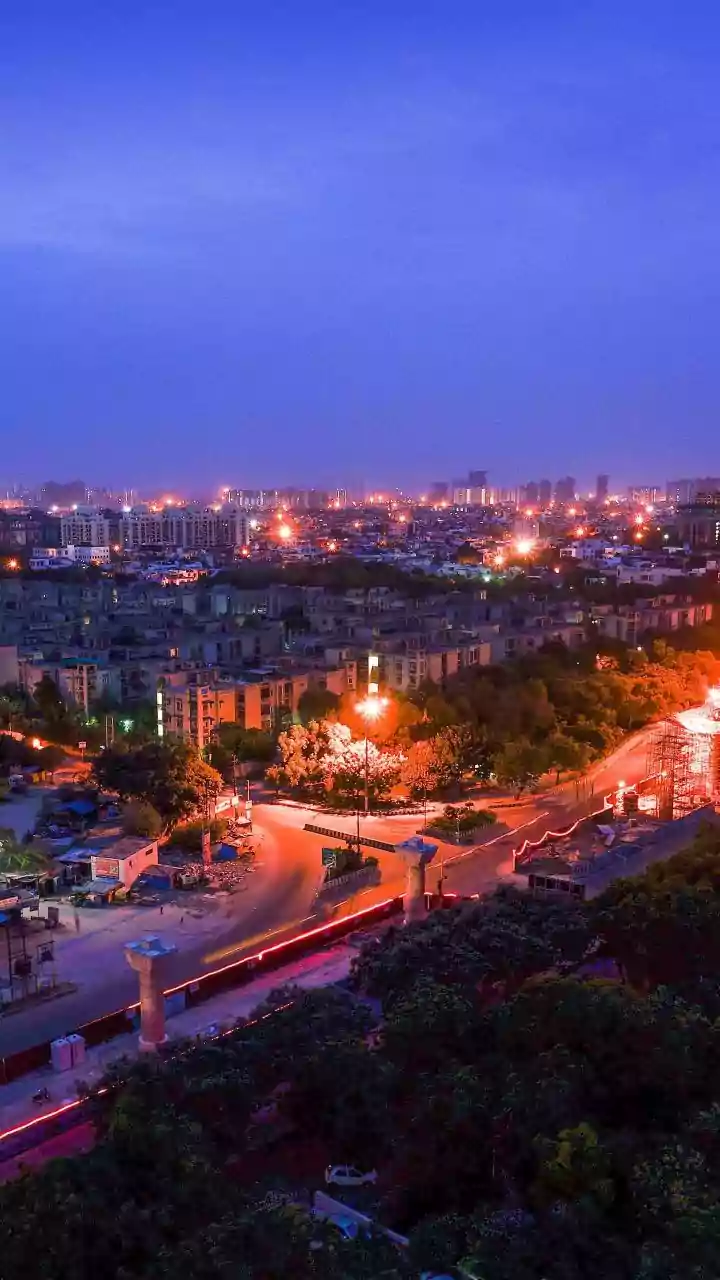
cools down, urban areas retain heat, leading to elevated night-time temperatures. Studies have shown that major Indian cities like Delhi, Mumbai, and Hyderabad are prominent examples of this effect. As Tier 2 cities such as Pune, Jaipur, and Lucknow undergo rapid, often unplanned, development, they are increasingly facing the same issue. This transformation turns our growing urban centres into giant heat sinks.
The Great Heat Sponge
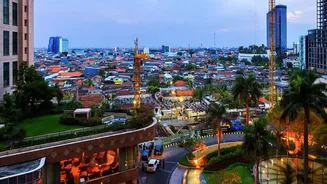
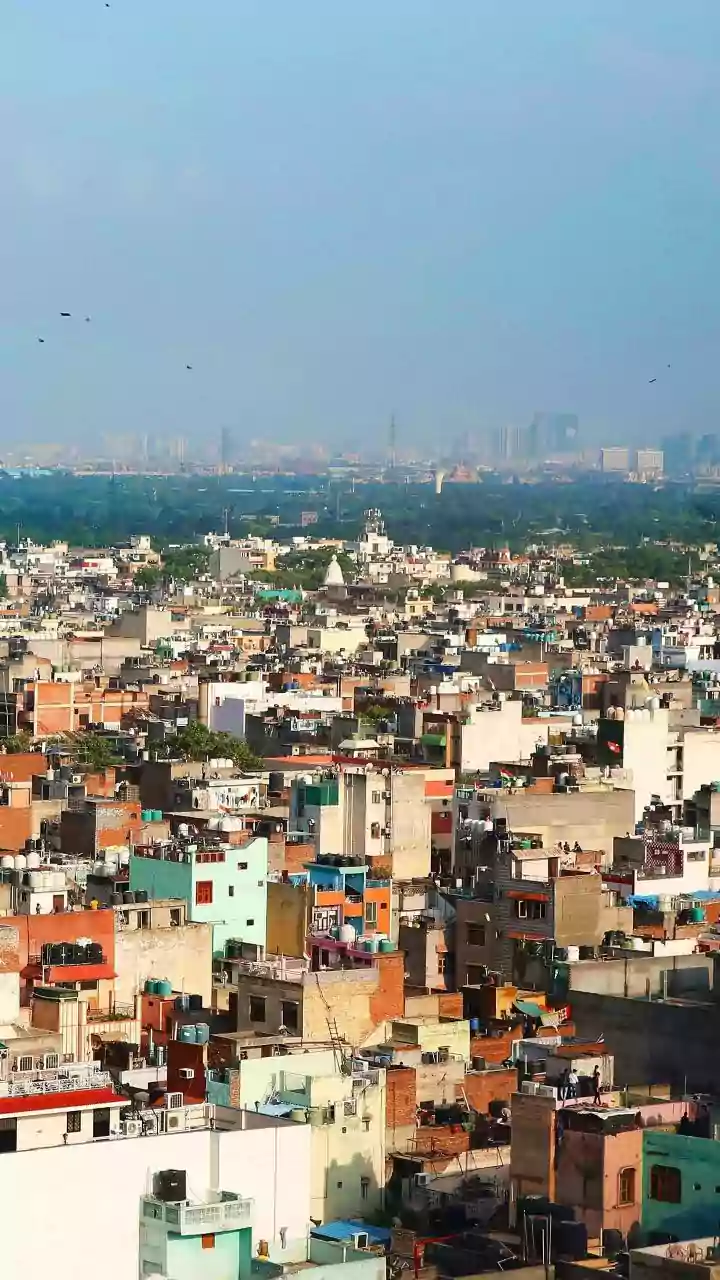
The primary culprits are the materials we use to build our cities: concrete and asphalt. These surfaces, which make up our buildings, roads, and parking lots, are excellent at absorbing the sun's energy during the day. Unlike natural surfaces like soil and vegetation, which use a process called evapotranspiration to stay cool, concrete and asphalt soak up heat and can reach surface temperatures far higher than the air temperature. This stored heat is then slowly radiated back into the atmosphere throughout the evening and night, preventing the city from cooling down effectively. The dense arrangement of tall buildings can also trap heat and block wind, further compounding the problem.
The Loss of Natural Air Conditioners
Compounding the issue of heat-absorbing materials is the simultaneous loss of green spaces. Trees, parks, and water bodies are a city's natural air conditioners. Trees provide shade, which can reduce surface temperatures significantly, and both trees and grassy areas cool the air through evapotranspiration. Studies have found that large urban parks can be up to 5°C cooler than the surrounding built-up areas. However, in the race for development, Tier 2 cities are witnessing a rapid decline in their green cover, replaced by impervious concrete and asphalt. This lack of green infrastructure removes the natural cooling systems that would otherwise help mitigate rising temperatures.
How Heat Hijacks Your Sleep
So, how does a warmer night translate to a worse night's sleep? Our bodies are programmed to lower their core temperature to initiate and maintain deep, restorative sleep. When your sleeping environment is too warm, it disrupts this natural process. High ambient temperatures can lead to more frequent awakenings, restlessness, and a reduction in the crucial stages of deep sleep and REM sleep. These are the stages vital for physical repair, memory consolidation, and emotional regulation. Research shows that for every 1°C increase in night-time temperature, sleep duration can be noticeably reduced. One study in Indian Tier-2 cities found that 42% of residents in informal settlements reported sleep disturbances due to night-time heat.
The Vulnerability of Tier 2 Cities
While the UHI effect is a global phenomenon, Tier 2 cities in India are uniquely vulnerable. Their rapid and often unregulated expansion means that infrastructure is developed without adequate consideration for environmental impact. This leads to dense construction, loss of green spaces, and a heavy reliance on heat-absorbing materials. As these cities grow, the urban heat island effect is predicted to intensify, with some studies suggesting that cities like Patiala and Jalandhar could experience warming significantly greater than their rural surroundings. This disproportionately affects residents in poorly ventilated homes and those without access to expensive cooling methods like air conditioning, creating a serious public health challenge.
Building Cooler, Healthier Cities
The good news is that the problem is not unsolvable. Solutions lie in smarter urban planning and 'nature-based solutions'. Simple interventions like increasing tree cover and creating more parks and green spaces can have a profound cooling effect. At the building level, 'cool roofs'—using reflective paints or materials—can lower indoor temperatures by several degrees. Designing buildings for better ventilation and using materials that don't trap as much heat are also crucial steps. Cities like Ahmedabad have already started implementing 'Heat Action Plans' that focus on such strategies. By integrating green and blue infrastructure (like parks and water bodies) into urban design, we can build more resilient, comfortable, and healthier cities for the future.