


What Exactly Is Sourdough Discard?
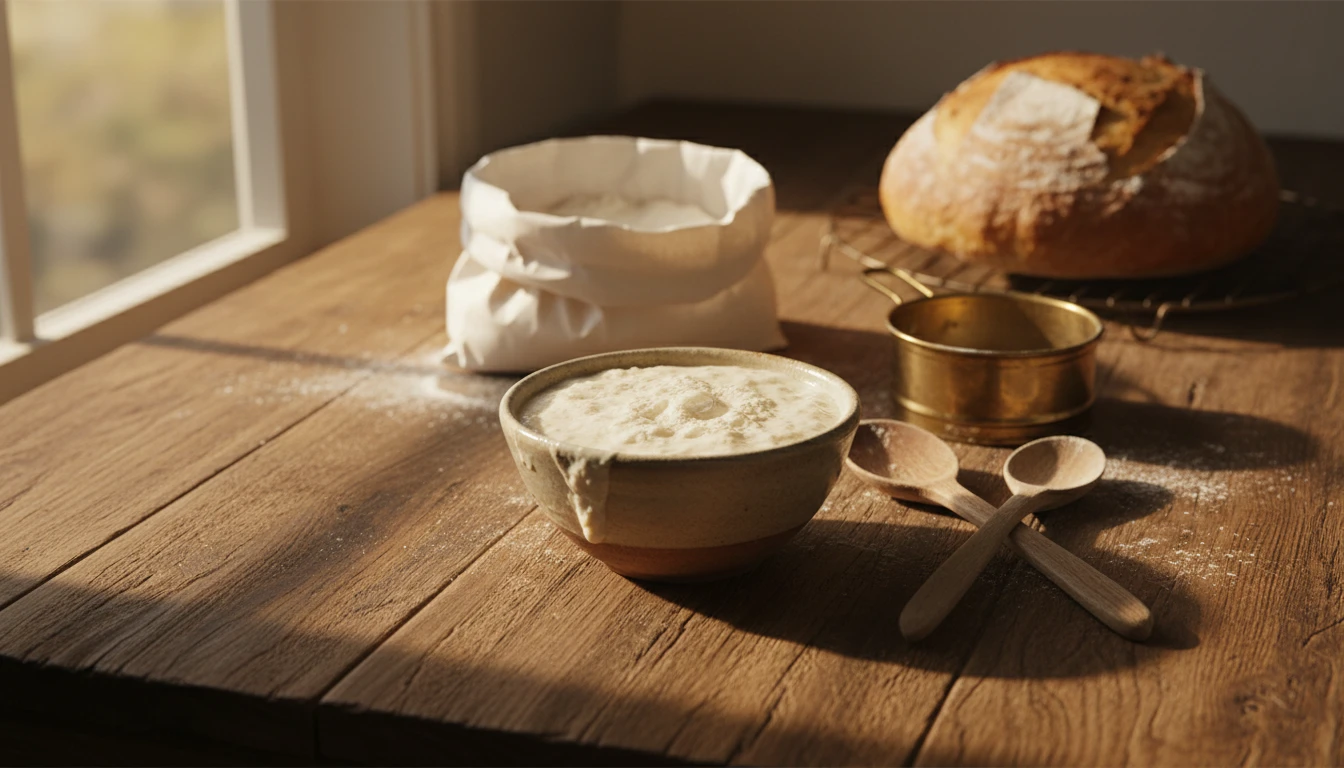
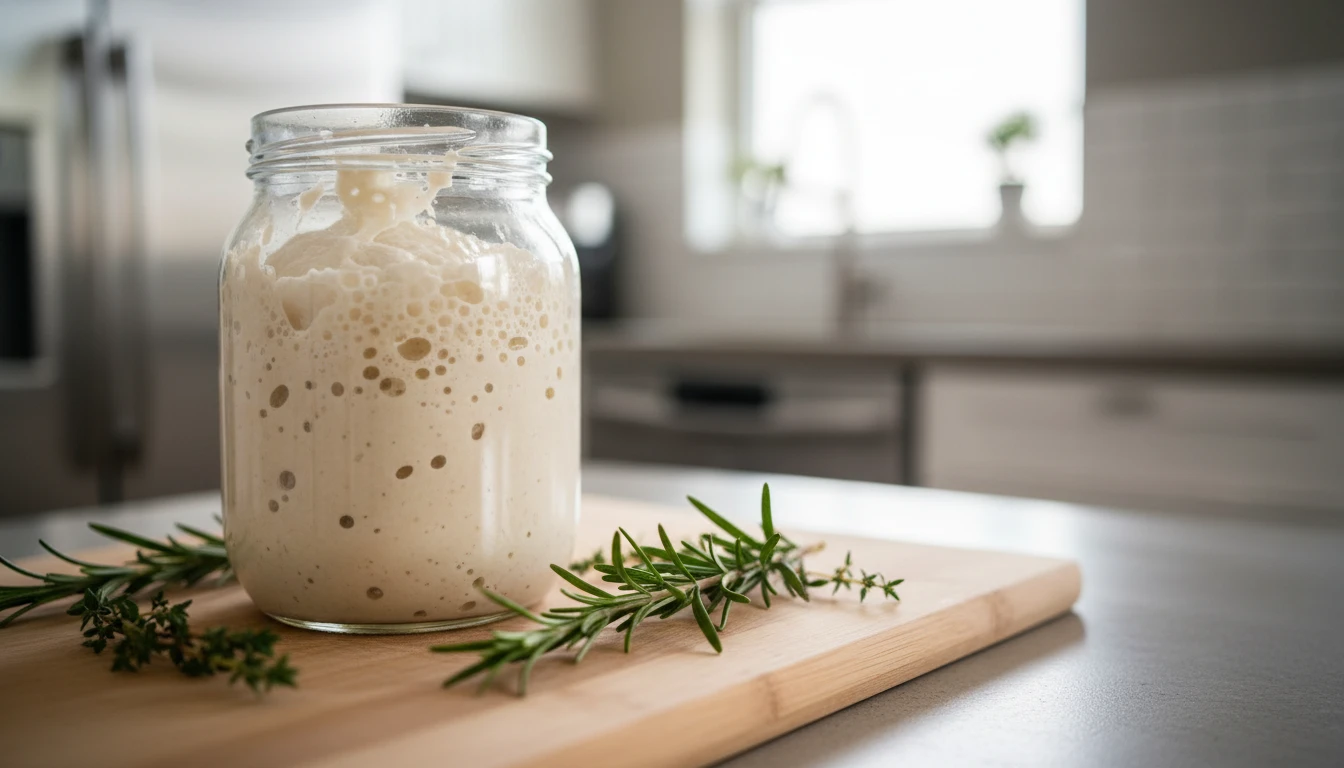
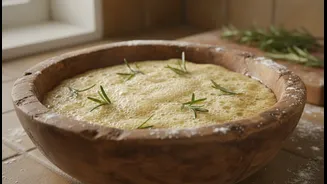
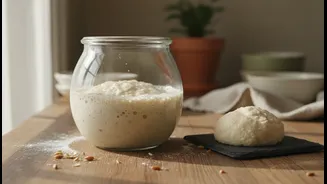
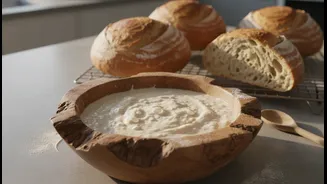
To keep a sourdough starter healthy and active, it needs regular 'feedings' of fresh flour and water. Before each feeding, a portion of the starter is removed to manage its size and refresh its environment. This removed portion is the 'discard'. While
the name implies it should be thrown away, discard is a perfectly good mixture of fermented flour and water. It contains the same wild yeast and beneficial bacteria as an active starter, but it's not potent enough on its own to make a loaf of bread rise. Instead of being waste, it's an ingredient packed with potential, ready to be repurposed. Many bakers now view it as a 'sourdough surplus' and collect it in a jar in the fridge to use throughout the week.
The Magic of Tangy Flavour
The primary reason creative cooks are embracing discard is for its remarkable ability to enhance flavour. Because it's a fermented product, discard adds a complex, tangy depth to recipes that is difficult to replicate. This isn't an overpowering sourness, but rather a subtle tang that balances sweetness in desserts and adds a savoury dimension to other dishes. The acidity in the discard also works wonders on texture. It helps to tenderise gluten, resulting in softer, moister baked goods that stay fresh for longer. From brownies and cookies to flatbreads and batters, a scoop of discard can elevate a simple recipe into something special.
From Flatbreads to Fried Chicken
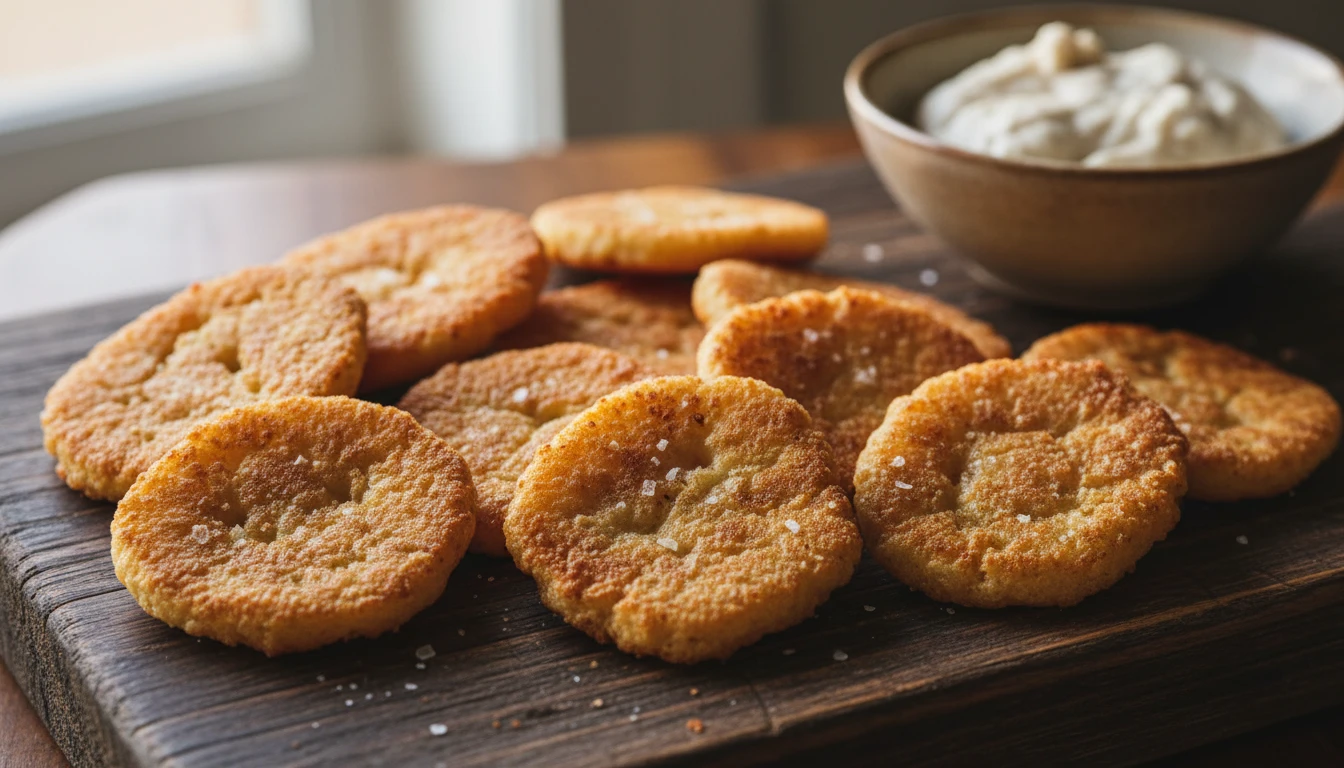
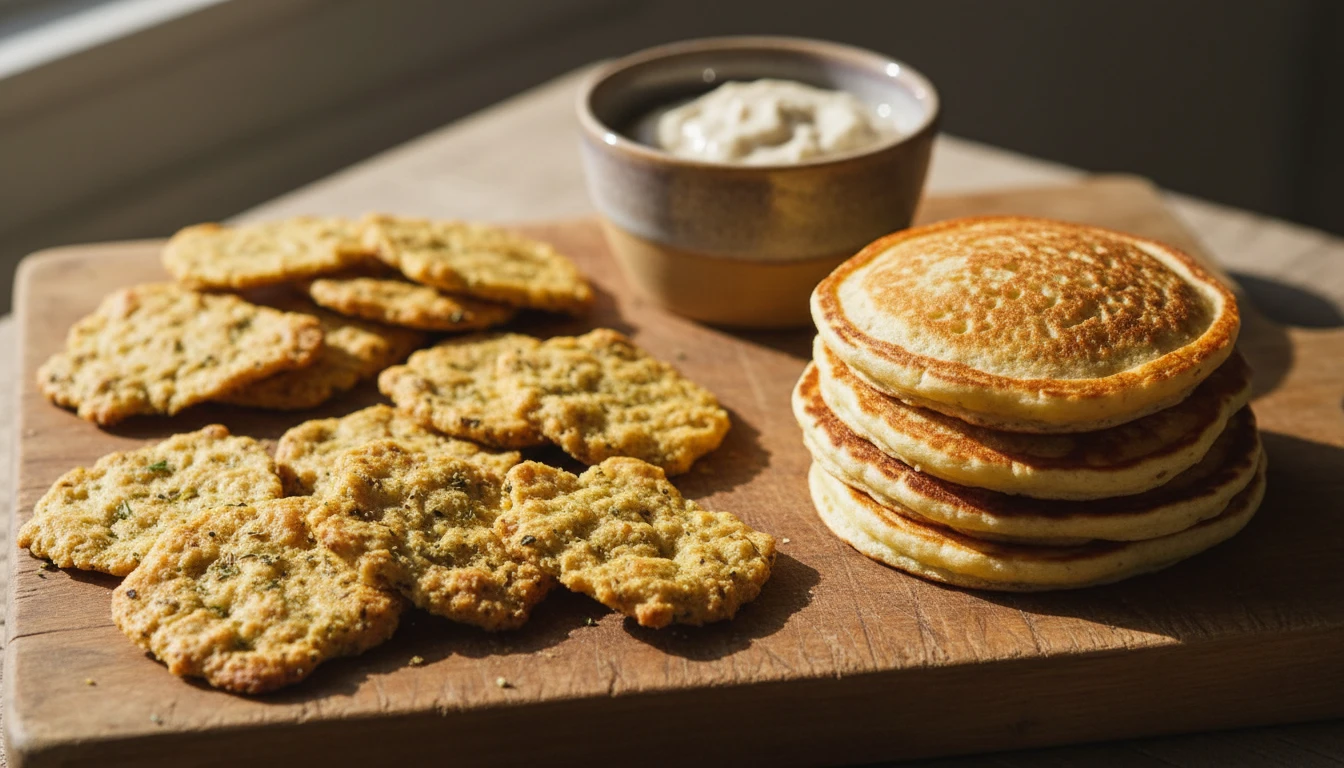
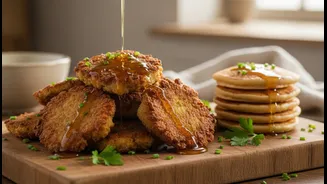
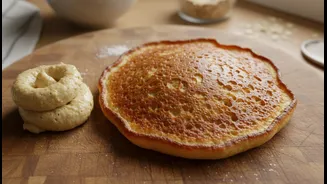
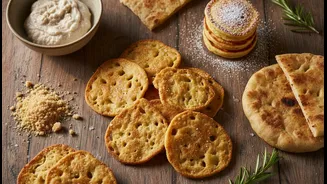
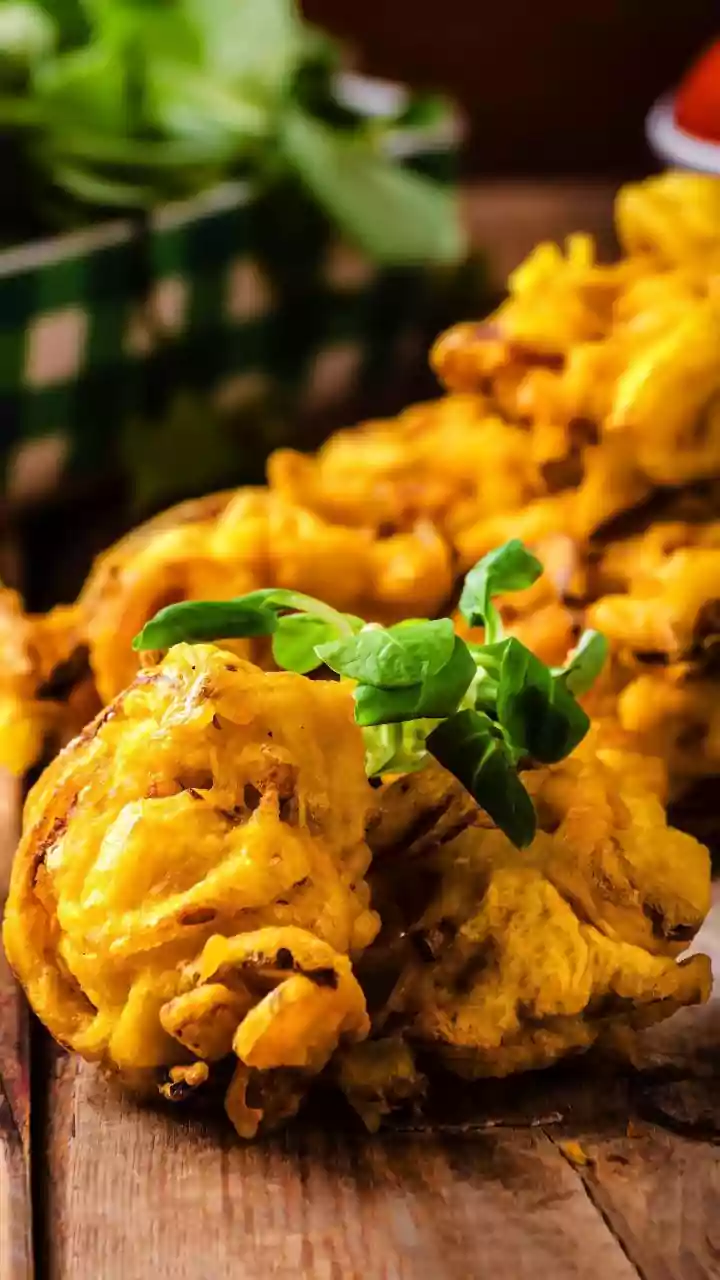
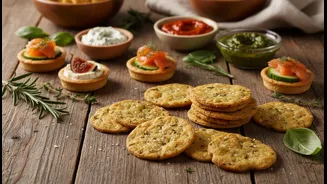
The versatility of sourdough discard in savoury cooking is truly astounding. It can be used to make wonderfully soft and chewy naan or roti, adding a slight tang that pairs beautifully with rich Indian curries. You can also use it to create quick pizza crusts, fluffy English muffins, or crispy, flavourful crackers with herbs and cheese. But the creativity doesn't stop there. Home cooks are using discard in batters for fried chicken or onion rings, adding it to gravy for depth, and even stirring it into savoury pancakes like cheela or Konkani doddak for a fermented twist on traditional breakfast dishes. It’s a simple way to add complexity and a zero-waste ethos to everyday meals.
Unexpected Sweet Endings
While it might seem counterintuitive to add something sour to a sweet treat, discard is a game-changer in dessert recipes. The gentle acidity balances out sweetness and prevents cakes, cookies, and muffins from being one-dimensionally sugary. It works beautifully in recipes like chocolate chip cookies, fudgy brownies, and banana bread, where it also contributes to a wonderfully moist crumb. More adventurous bakers are using it to create tangy pie crusts, delicate scones, rich chocolate cakes, and even jalebis, where the fermented flavour adds a sophisticated note to the sweet syrup.
Cooking with a Conscience
Beyond the flavour benefits, using sourdough discard is a powerful act of sustainability in the kitchen. In a world increasingly focused on reducing food waste, throwing away perfectly good fermented flour and water feels counterintuitive. By finding creative uses for discard, cooks are closing the loop in their baking practice, ensuring nothing goes to waste. This mindset shift turns a routine maintenance task into an opportunity for culinary invention. Some evidence also suggests that incorporating fermented elements like discard into baked goods can make them easier to digest and may have a lower glycemic index. It’s a win for your palate, your pantry, and the planet.