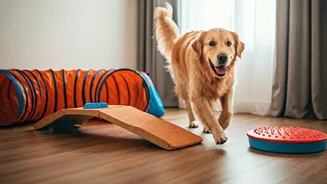


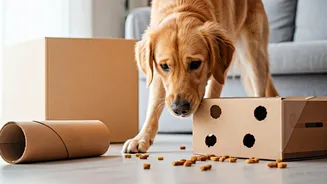


The Problem with a Bored Dog
Many of us in urban India live in apartments, and our dogs spend a significant part of the day indoors. While we provide them with love, food, and walks, we often overlook a critical need: mental stimulation. A bored dog is a frustrated dog. This frustration
can manifest in ways we find problematic: excessive barking, chewing on furniture, separation anxiety, or general restlessness. These aren't signs of a 'bad dog'; they are cries for engagement. Just as a long walk tires out their body, a good puzzle tires out their mind, leading to a calmer, more content companion.
Enter the Puzzle Mat
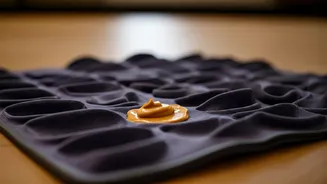
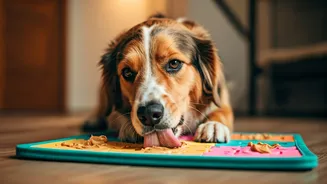
A puzzle mat, often called a 'lick mat', is a simple yet brilliant enrichment tool. Typically made from food-grade silicone, these mats have textured surfaces with grooves, nubs, and patterns. The idea is to spread a soft treat across the mat, forcing your dog to lick and work to get every last bit. This simple action has multiple benefits. The repetitive licking motion is naturally calming and soothing for dogs, helping to reduce anxiety. It also slows down eating, which is great for dogs who tend to gulp their food, improving their digestion. It transforms a two-second treat into a 15-minute activity, providing a fantastic outlet for their energy.
How to Choose the Right Mat
With many options available online and in pet stores, choosing the right puzzle mat can seem daunting. Focus on three key things. First, safety: ensure the mat is made from 100% food-grade, non-toxic, and BPA-free silicone. Your dog will be licking it, so the material must be safe. Second, design: for a beginner dog, choose a mat with a simpler, shallower pattern. As they get better, you can introduce more complex designs that present a greater challenge. Third, practicality: look for a mat that is easy to clean. Most are dishwasher-safe (top rack), which is a huge convenience. Some mats also come with suction cups on the back to stick to the floor or a wall, preventing them from sliding around during an enthusiastic licking session.
Crucial Safety: Not All Peanut Butter is Safe
The headline mentions peanut butter, and it's a classic dog favourite. However, you must be extremely careful. Many modern peanut butters, especially 'low-sugar' or 'natural' varieties, contain a sugar substitute called Xylitol. Xylitol is extremely toxic to dogs, even in small amounts, and can cause liver failure and death. ALWAYS read the ingredients list before giving your dog any peanut butter. Ensure it contains only peanuts (and maybe a little salt) and specifically says 'NO XYLITOL'. When in doubt, choose another treat or a brand specifically made for dogs.
Beyond Peanut Butter: Healthy Alternatives
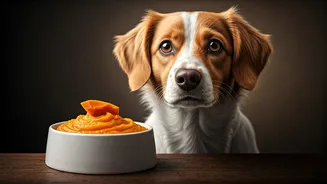
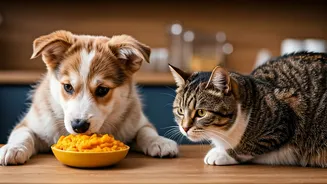
The best part about puzzle mats is their versatility. You don't have to stick to peanut butter. You can use a variety of healthy, dog-safe spreads that you might already have in your kitchen. Plain, unsweetened dahi (yoghurt) is a fantastic, probiotic-rich option. Canned pumpkin purée (not pie filling) is excellent for digestion. You can also use mashed bananas, mashed sweet potato, or even your dog’s own wet food. For a refreshing treat on a hot day, you can prepare the mat and freeze it for a few hours before giving it to your dog. This extends the fun and provides a cooling snack.
Getting Started: A Simple Routine
Introducing a puzzle mat is easy. Start by spreading a very thin layer of a high-value treat your dog loves. Show them the mat and let them sniff it to build excitement. Place it on the floor and let them get to work. For the first few times, supervise your dog to make sure they are licking the mat and not trying to chew or eat it. Most dogs understand the concept quickly. Once they are finished, take the mat away and wash it immediately with warm, soapy water to prevent food from hardening in the grooves. You can make this a daily ritual, perhaps while you are cooking dinner or preparing to leave the house, to help them associate it with a positive, calming routine.