

From Sightseeing to Story-Living
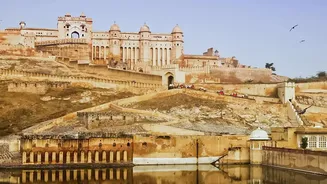
For decades, travel in India was often about acquisition—collecting destinations, ticking off famous landmarks, and moving on to the next spot. But a significant shift is underway. Travellers are no longer content with merely seeing a place; they want
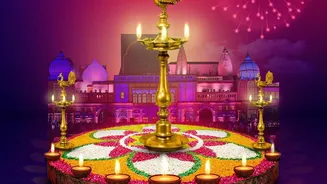
to experience it. Recent industry reports highlight this change, showing that a majority of Indian travellers are now planning trips around cultural experiences like festivals, regional food, and local traditions. According to a 2026 Skyscanner report, 84% of Indian travellers say their interest in culture-led travel has grown, and 67% now actively plan holidays around these experiences. It's a move from passive sightseeing to active participation, where the goal is to come back with stories, not just souvenirs.
What's Driving the Appetite for Authenticity?
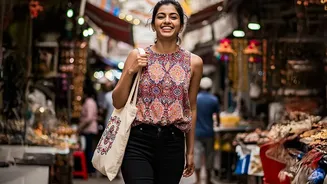
Several factors are fuelling this quest for authenticity. The post-pandemic era seems to have left many with a desire for more intentional and meaningful connections, which extends to how they travel. Instead of rushing through crowded itineraries, people are seeking slower, more immersive journeys. Social media also plays a paradoxical role; while it can promote over-tourism, it also exposes travellers to hidden gems, craft workshops, and unique culinary trails far from the beaten path. This has sparked curiosity, encouraging people to venture beyond major cities. Recent data shows one in four travellers is now exploring Tier II and Tier III towns specifically for cultural encounters, eager to discover India beyond the usual tourist circuit.
The Rise of Immersive Experiences
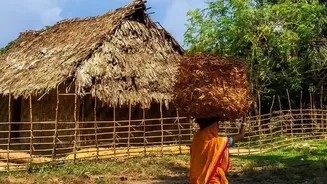
So, what does this new kind of holiday look like? It’s about learning a traditional craft from an artisan in Kutch, joining a family for a cooking lesson in their home, or timing a trip to witness the vibrant chaos of Durga Puja in Kolkata or Ganesh Chaturthi across Maharashtra. Accommodation choices are also changing. Travellers are increasingly opting for homestays and heritage properties over conventional hotels. These stays offer more than just a bed; they provide a gateway into the local way of life. This allows for a deeper connection, turning a simple holiday into a rich cultural exchange where travellers can participate in daily rituals, listen to local stories, and gain a genuine understanding of the place they are visiting.
A More Conscious and Connected Traveller
This trend towards local culture is intertwined with a growing consciousness about the impact of travel. By choosing to stay in homestays, eat at local establishments, and buy directly from artisans, travellers are helping to support local economies in a more direct and sustainable way. This model helps channel resources from urban centres to rural areas, sometimes creating opportunities that prevent rural-urban migration. Many travellers report that engaging in mindful travel makes their trips more valuable and inspires them to adopt more sustainable practices back home. This shift suggests that travellers are not just looking to get away, but to engage with the world in a more responsible and meaningful manner.