



It’s a familiar story for tea lovers: you buy a large, impressive-looking tin of loose-leaf tea, proud of the savvy bulk purchase. But months later, the last half of that tin tastes disappointingly flat, dusty, and lifeless. What gives?
The False Economy of Bulk Tea
On paper, buying
in bulk makes perfect sense. The price per gram is almost always lower, promising significant savings over time. However, this calculation overlooks a crucial variable: freshness. Tea does not expire in a way that makes it unsafe, but it does go stale. Its vibrant aromas and complex flavours come from volatile compounds that degrade over time. So, while you may pay less per gram for that giant tin, you're not getting the same quality in your last cup as you did in your first. If half the tea tastes stale, you've essentially paid double for the portion you actually enjoyed, negating any initial savings. True value comes from using and enjoying a product, not just from a low initial price.
The Enemies of Fresh Tea
To understand why tea fades, you need to know its four main adversaries: air, light, heat, and moisture. Oxygen is the primary culprit, causing a process called oxidation that slowly flattens the tea's flavour profile. This is the same reason a cut apple turns brown. Light, especially direct sunlight, degrades the delicate compounds in the leaves. Heat accelerates these chemical reactions, while moisture can ruin the tea completely and even lead to mould. Lastly, tea is highly absorbent and will soak up strong odours from nearby spices, coffee, or even fragrant soaps, tainting its flavour permanently.
The Joy of a Vibrant Cup
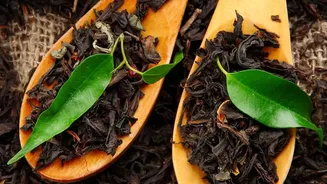
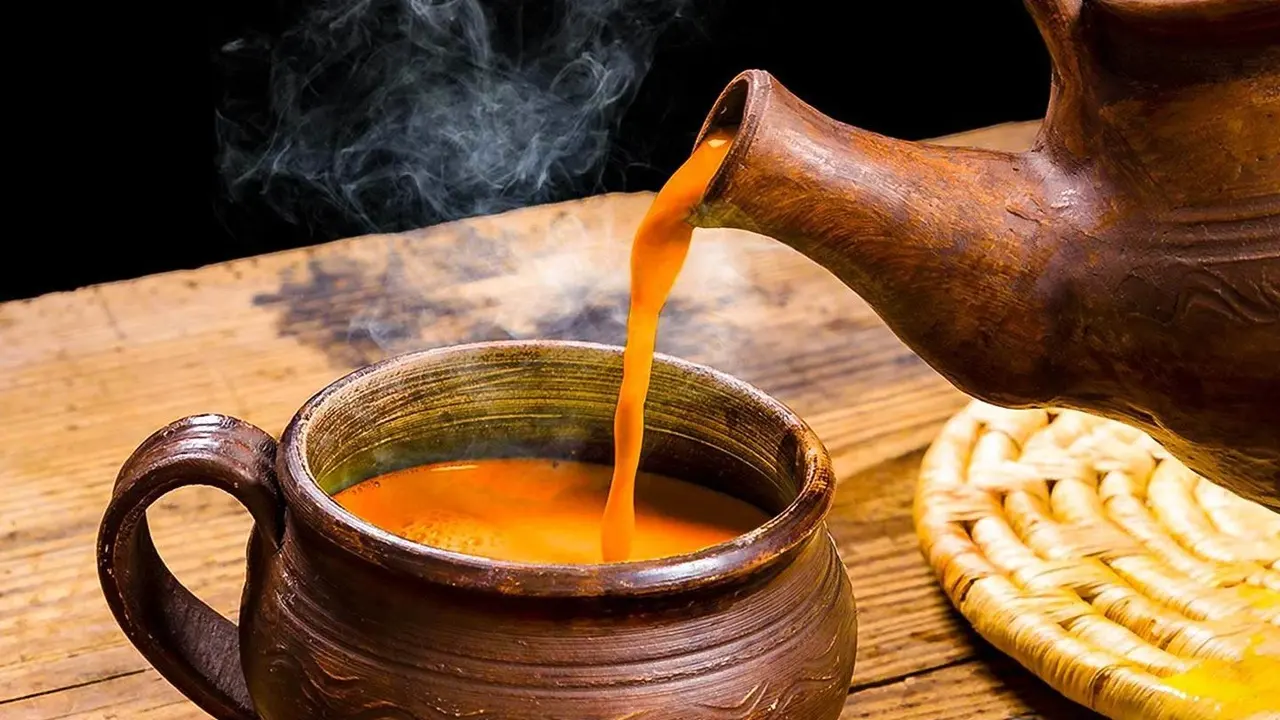
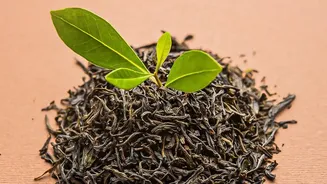
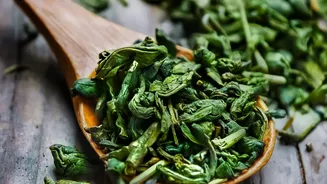
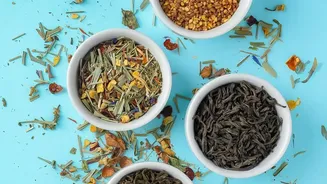
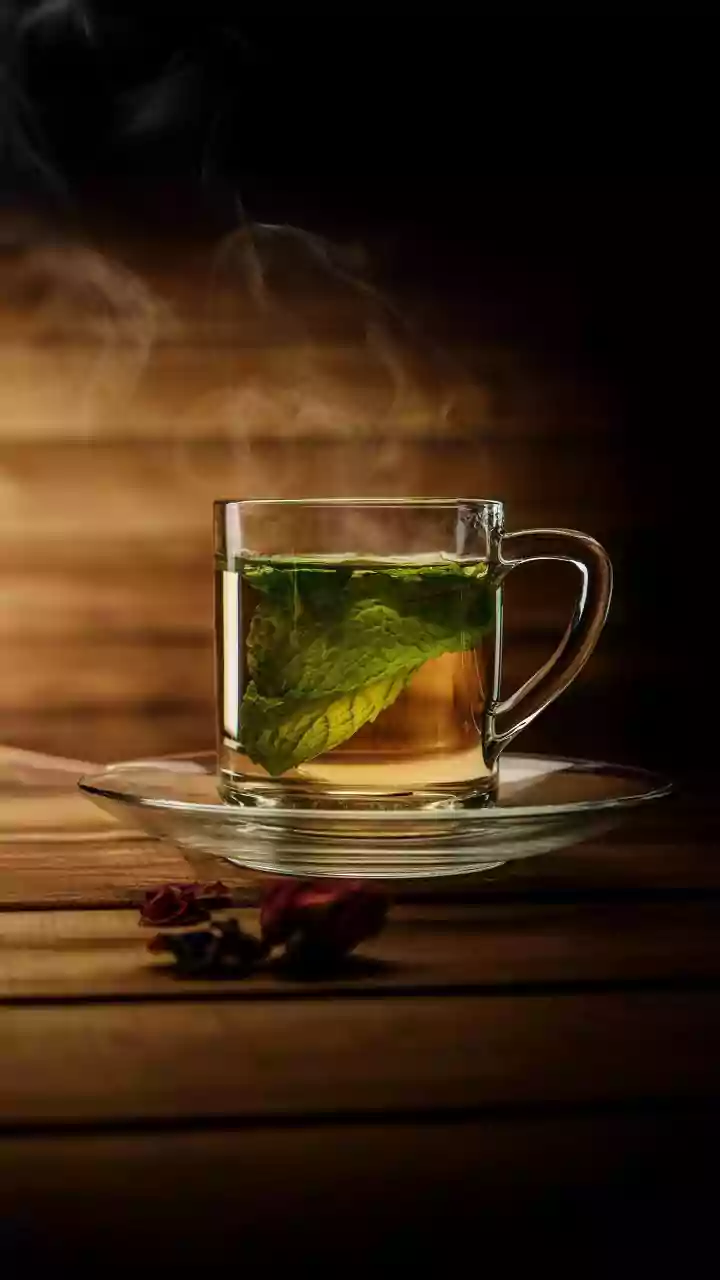
The difference between a fresh and a stale cup of tea is night and day. Fresh loose-leaf tea unfurls in hot water, releasing a fragrant cloud of steam that hints at the taste to come. Depending on the type, the flavour can be bright and grassy, sweet and floral, or rich and malty. Stale tea, by contrast, smells dusty and tastes flat. The nuanced notes are gone, replaced by a dull, woody, or papery character. By purchasing smaller amounts of tea more frequently—enough for one to two months at a time—you ensure that every cup you brew is closer to its peak. You get to experience the tea as the producer intended, full of life and character. This transforms a simple daily beverage into a more rewarding sensory ritual.
A Smarter Tea Buying Strategy
Adopting a 'little and often' buying strategy is the best way to guarantee freshness. Aim to purchase quantities you can realistically consume within a few months. This is especially important for more delicate teas. Green and white teas, which are less oxidized, have a shorter shelf life for peak flavour, typically around 6 to 12 months. Black teas and darker oolongs are more stable and can last for a year or two, but even they will fade over time. When you buy, look for opaque, airtight packaging. A reputable vendor should be able to tell you when the tea was harvested or packaged, giving you a better sense of its freshness.
Proper Storage Is Key
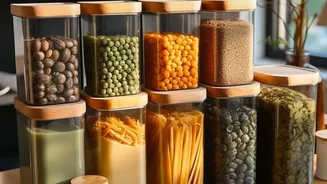
Regardless of the quantity you buy, proper storage is non-negotiable for preserving flavour. The ideal method is to keep your tea in an airtight, opaque container. A metal tin with a snug lid or a ceramic jar is an excellent choice. Avoid clear glass jars unless you plan to store them inside a dark cupboard, as light is a major enemy. Find a cool, dry spot for your tea collection, away from the heat of the stove, the steam of the kettle, and any sunny windows. And remember to keep strongly scented teas like Earl Grey or Lapsang Souchong separate from your other teas to prevent their potent aromas from mingling.