

The Allure of the Arc
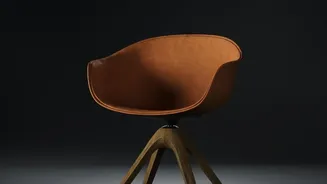
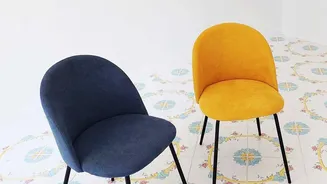
First, let's acknowledge the curve's undeniable charm. After a long period of sharp minimalism, rounded furniture swept in, feeling like a collective exhale. These pieces, from serpentine sofas to oval dining tables, brought a sense of softness and flow
into our homes. Psychologically, curves are inherently calming; they echo forms found in nature, like rolling hills and smooth stones, which can make our indoor spaces feel more welcoming and less stressful. This biophilic connection is a primary reason the trend took hold so deeply—it transformed our living spaces into sanctuaries. Curved furniture also excels at creating intimate, conversational settings and improving a room's flow, as there are no sharp corners to interrupt movement.
The Return of Structure
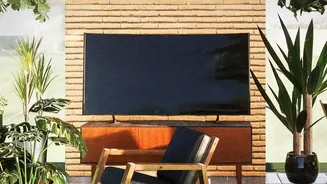
So if curves are so great, why bring straight lines back into the picture? The answer lies in balance. A room filled entirely with rounded shapes can feel undefined, lacking structure and becoming almost too whimsical. Straight lines provide a necessary anchor. Think of the walls, windows, and floors in your home—these are the foundational straight lines that give a room its shape. By reintroducing linear elements in furniture, like a rectangular coffee table or a clean-lined bookshelf, designers create a grounding effect. This contrast prevents the softness of curves from becoming overwhelming, adding a dose of order and stability that makes the entire space feel more intentional and sophisticated.
The Art of the Perfect Mix
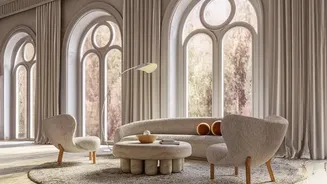
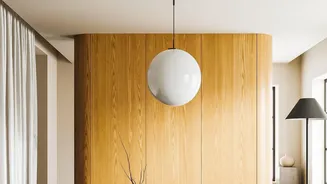
The magic truly happens in the interplay between soft and structured. This isn't about choosing one over the other; it's about creating a dynamic visual conversation. The goal is contrast and harmony. A popular rule of thumb among designers is the 70/30 or 80/20 split: let about 70-80% of your room be defined by straight lines (including the architecture itself), and use the remaining 20-30% for curved statement pieces. This ensures the curves stand out as sculptural focal points without making the space feel chaotic. For example, a beautifully curved sofa makes a much bigger impact when paired with a sleek, rectangular console table behind it or a geometric-patterned rug beneath it. The straight lines frame and accentuate the beauty of the curve.
How to Bring the Rebalance Home
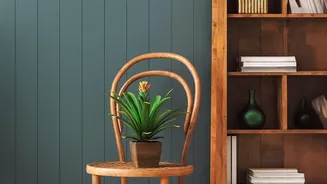
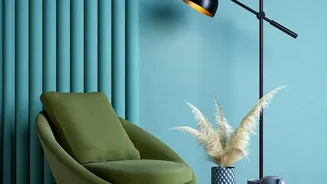
Incorporating this trend doesn't require a complete overhaul. Start by taking stock of what you have. If your room is dominated by a boxy sofa and angular tables, introducing a single curved element can make a huge difference. Consider an armchair with rounded arms, an arched floor lamp, or a large circular mirror. These smaller pieces can instantly soften the room. Conversely, if you've already embraced the curve with a rounded sectional, look to add structure. A rectangular coffee table is a classic choice that creates a perfect counterbalance. You can also use straight-lined accessories, like framed geometric artwork or block-patterned cushions, to introduce angularity and create that pleasing contrast. The key is to let the shapes play off each other, creating a space that feels both comfortable and composed.