
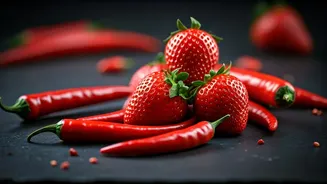


What Exactly Is 'Swicy'?
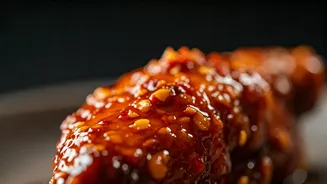
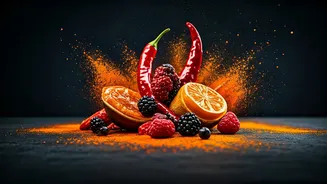
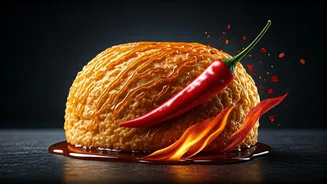
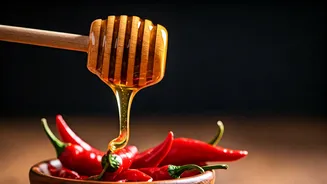
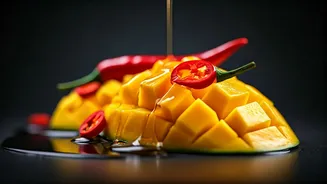
‘Swicy’ is the culinary term, popularised on social media, for the fusion of sweet and spicy elements in a single dish. [2] Think hot honey drizzled on pizza, mango habanero wings, or spicy lime and chili-dusted fruit. [5] The trend is about creating
a complex, layered flavor experience. The sweetness helps to mellow the fiery kick of chillies, while the spice prevents the sweetness from becoming overwhelming. [4, 7] This dynamic contrast creates a sensation that is both exciting and surprisingly balanced, igniting multiple taste receptors at once. [2] The capsaicin in peppers triggers a release of pleasure-inducing endorphins, making the combination feel almost addictive. [2, 9]
A Global Phenomenon
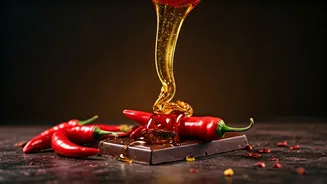
Globally, the swicy trend is exploding. Driven by younger consumers like Gen Z and Millennials who crave adventurous eating experiences, it's appearing everywhere from fast-food chains to fine-dining menus. [3] Brands are rolling out everything from spicy lemonades to chili-infused chocolates. [3, 4, 8] This rise is partly fuelled by the increasing mainstream popularity of international cuisines that have long mastered this flavour profile, such as Korean (gochujang), Thai (sweet chili sauce), and Mexican (chamoy). [3, 4, 5] These tastes, once considered niche, are now central to this new wave of flavour innovation, demonstrating a global palate that is becoming more diverse and daring. [8]
India’s Timeless Love for Sweet and Spicy
While the world discovers 'swicy', in India, the concept of balancing sweet, spicy, sour, and salty is an ancient culinary principle. [5] For centuries, Indian regional cuisines have been masterfully blending these contrasting tastes. [5] The use of jaggery, tamarind, fruits, and various types of chillies is a testament to a deep-rooted understanding of flavour complexity. [5, 17] This isn't a passing trend; it’s the very soul of many iconic dishes. The introduction of chilli peppers by European traders in the 1500s added a new dimension to a palate already rich with spices like black pepper and ginger, but the philosophy of balance was already firmly in place. [16]
From 'Khatta Meetha' to Dhansak
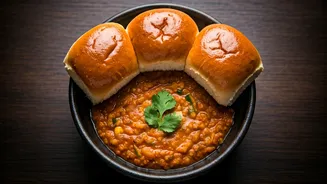
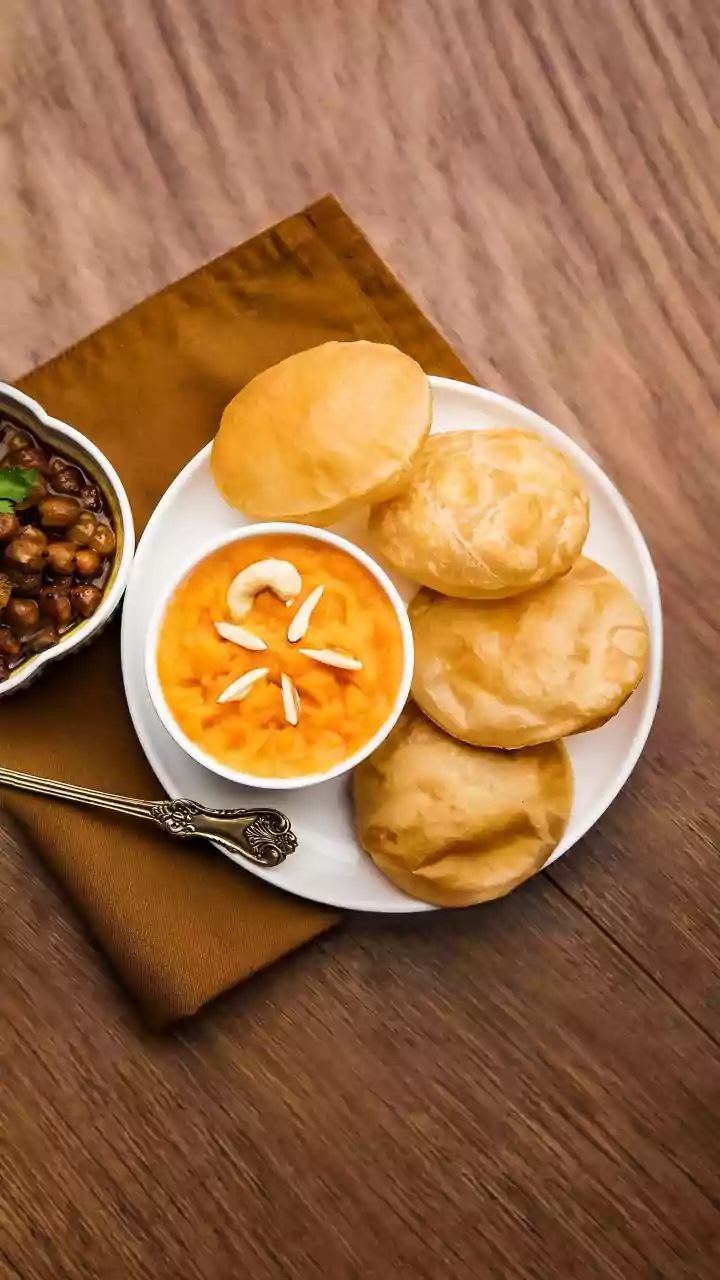
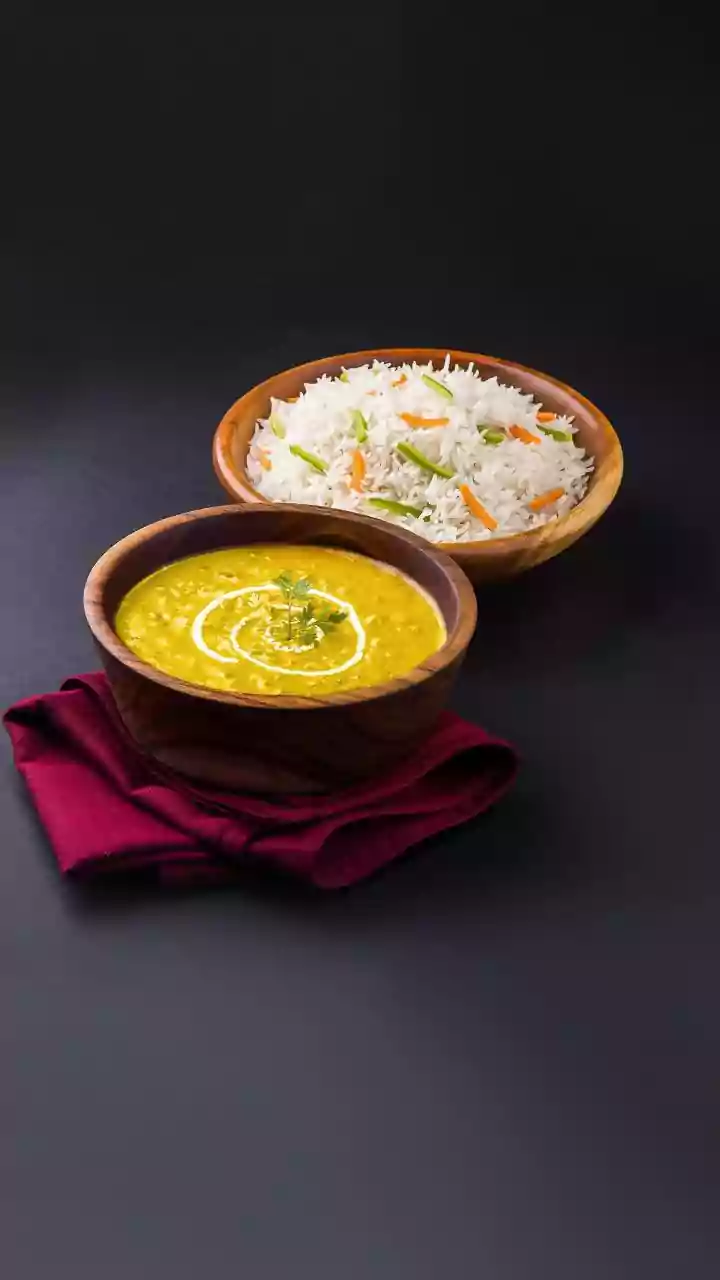
Look across the culinary map of India, and you'll find 'swicy' everywhere. Gujarati cuisine is perhaps the most famous for its 'khatta meetha' (sour and sweet) flavour profile, evident in everything from Dhokla to the sweet and tangy notes of a Gujarati kadhi or the popular snack, Khatta Meetha Mixture. [13, 17, 18] Parsi cuisine offers the iconic Dhansak, a masterful blend of lentils, meat, and vegetables with a distinct sweet, sour, and gently spicy taste derived from ingredients like pumpkin, jaggery and a special spice blend. [6, 11, 15] Chutneys across the country, especially those made with tamarind and jaggery, provide a perfect swicy accompaniment to snacks like samosas and chaat. [5, 19] Even savoury rice dishes can get the treatment, like the Amdavadi Khatta Meetha Bhaat. [17] These are not novelties, but cherished, generations-old recipes. [26]
A Taste of Home on the World Stage
So, why is this ancient flavour combination having a global moment now? The answer lies in a confluence of factors: a digitally connected world that rapidly spreads food trends, a desire for more complex and stimulating flavours, and an increasing appreciation for the depth and diversity of global cuisines. [3, 4] As the world embraces 'swicy', it’s unknowingly paying homage to culinary traditions, like India's, that have perfected this art over centuries. It's a reminder that what often appears as a brand-new trend is simply a rediscovery of timeless wisdom. The name might be new, but for millions in India, the taste is a comforting, delicious, and deeply ingrained part of home.