






Beyond Sightseeing to 'Experience-Seeing'
Travel in India is undergoing a significant transformation. The old model of tourism, focused on visiting monuments and ticking off destinations, is giving way to something more profound: experiential travel. Today's travellers, particularly the younger
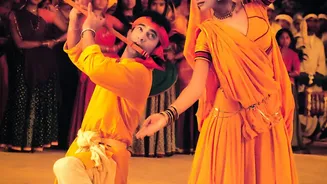
generation, are looking for immersive journeys that connect them to the soul of a place. This shift is driven by a desire for authenticity, a chance to engage with local communities, and create meaningful memories. Cultural festivals, long a cornerstone of India's social fabric, are at the forefront of this evolution. They are no longer just spectacles to be observed from a distance but are becoming interactive platforms where visitors can taste, touch, and feel a region's unique identity.
A Culinary Journey on a Plate
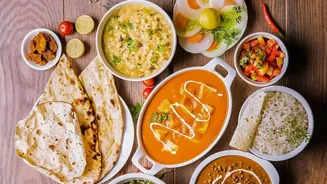
Food has always been central to Indian culture, but festivals are now placing regional cuisine at the heart of the visitor experience. At Nagaland's Hornbill Festival, for instance, each of the state's 17 major tribes presents its distinct culinary traditions. Visitors can move between morungs (traditional huts) to sample dishes like smoked pork with fermented soybean (axone) or chicken cooked in bamboo, offering a rare opportunity to taste ancestral recipes in one location. Similarly, the Rann Utsav in Gujarat is a celebration of Kutchi flavours. Beyond the visual spectacle of the white desert, the festival is a deep dive into the local vegetarian cuisine, with staples like Bajra Rotla, Kutchi Dabeli, and comforting Khichdi-Kadhi served in sprawling dining halls, telling the story of the region's climate and lifestyle.
The Artisan's Grand Stage
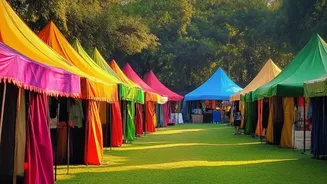
Alongside food, traditional arts and crafts are becoming a major draw. Festivals provide a crucial platform for artisans, who are often the faceless creators behind exquisite work, to connect directly with a new and appreciative audience. The Surajkund International Crafts Mela in Haryana is a prime example, bringing together weavers, potters, painters, and sculptors from across India and beyond. Visitors can watch master craftsmen at work, from Cheriyal painters from Telangana to Madhubani artists from Bihar, and purchase unique, handmade items. The Pushkar Camel Fair in Rajasthan also transforms into a sprawling marketplace for local handicrafts, showcasing everything from colourful textiles and silver jewellery to intricate leather goods amid the vibrant chaos of livestock trading and cultural competitions. This direct interaction not only enriches the travel experience but also makes it more meaningful.
An Engine for Cultural and Economic Revival
This trend does more than just enhance a travel itinerary; it creates a vital ecosystem for cultural preservation and economic sustainability. By creating a direct market, these festivals empower local artisans and food producers, ensuring their skills are valued and passed down to future generations. Events like the Ladakh Festival are intentionally designed to provide a platform for local cultural troupes, handloom artisans, and food vendors, boosting the regional economy. This focus helps preserve traditions that might otherwise be at risk in a rapidly globalising world. It fosters a form of tourism that is respectful and reciprocal, where travellers get an authentic experience and communities receive tangible benefits, ensuring their cultural heritage not only survives but thrives.