








Know Your Opponent: Humidity vs. Your Hair
During the monsoon, the air is saturated with moisture. Your hair, especially if it's dry, damaged, or has high porosity, tries to absorb this excess moisture. This causes the hair shaft to swell unevenly, leading to the lifting of its outer layer, the cuticle.
The result is the dreaded frizz—that puffy, undefined halo that refuses to be tamed. Studies show that hair fall can also increase by up to 30% during this season as the constant swelling weakens the hair structure, making it prone to breakage. Rainwater itself can be acidic and contain pollutants, which can damage hair if not washed out promptly.
Discipline 1: A Strategic Cleansing Routine
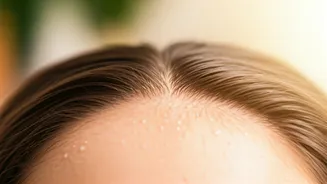
The foundation of good monsoon hair care is proper cleansing. Humidity often leads to a greasier, stickier scalp, which can clog pores and weaken roots. It's crucial to wash your hair two to three times a week with a gentle, nourishing shampoo to remove buildup without stripping natural oils. If your scalp feels particularly oily or you notice dandruff, which can be caused by fungal growth in the damp environment, consider an anti-fungal or clarifying shampoo. Always use lukewarm or cool water, as hot water can strip moisture and lift the cuticle further. When washing, focus the shampoo on your scalp and let the suds run down the lengths.
Discipline 2: Master Moisture with Smart Conditioning
Conditioning is non-negotiable during the monsoon. It helps to seal the hair cuticle, which is your primary defence against humidity. After shampooing, apply a smoothing conditioner, focusing on the mid-lengths and ends. For extra protection, a leave-in conditioner is a game-changer. Applied to damp hair, it forms a protective film that helps regulate moisture absorption throughout the day. Once a week, treat your hair to a deep-conditioning mask. This weekly ritual replenishes lost moisture and strengthens the hair, making it more resilient to the weather.
Discipline 3: The Gentle Art of Drying
How you dry your hair is just as important as how you wash it. Hair is most fragile when wet, and rubbing it vigorously with a regular towel creates friction that roughens up the cuticle and causes breakage. Instead, gently squeeze or blot your hair with a soft microfiber towel. If possible, let your hair air-dry. If you must use a blow-dryer, use it on a low heat setting and always apply a heat protectant spray first. This creates an additional barrier against both heat damage and humidity.
Discipline 4: Style with Purpose, Not Panic
On high-humidity days, styling products are your best allies. An anti-frizz serum, particularly one with silicones like dimethicone, can create a protective barrier that blocks moisture from penetrating the hair shaft. Apply a few drops to towel-dried hair to smooth flyaways and add shine. Lightweight oils like argan or jojoba can also help seal the cuticle without weighing hair down. Embracing protective hairstyles like braids, buns, or ponytails can also be an effective strategy, as they minimize your hair's exposure to the humid air.