


Good Fats vs. Bad Fats: A Simple Breakdown
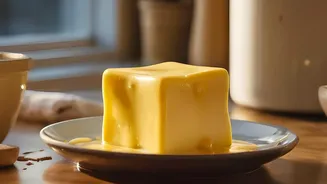
Not all fats are created equal. The two main categories are saturated and unsaturated fats. Saturated fats, found in foods like butter, ghee, processed snacks, and fatty meats, are stable and solid at room temperature. While not inherently evil, excessive
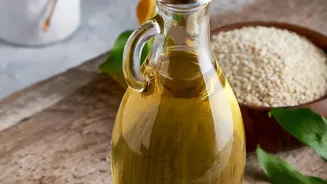
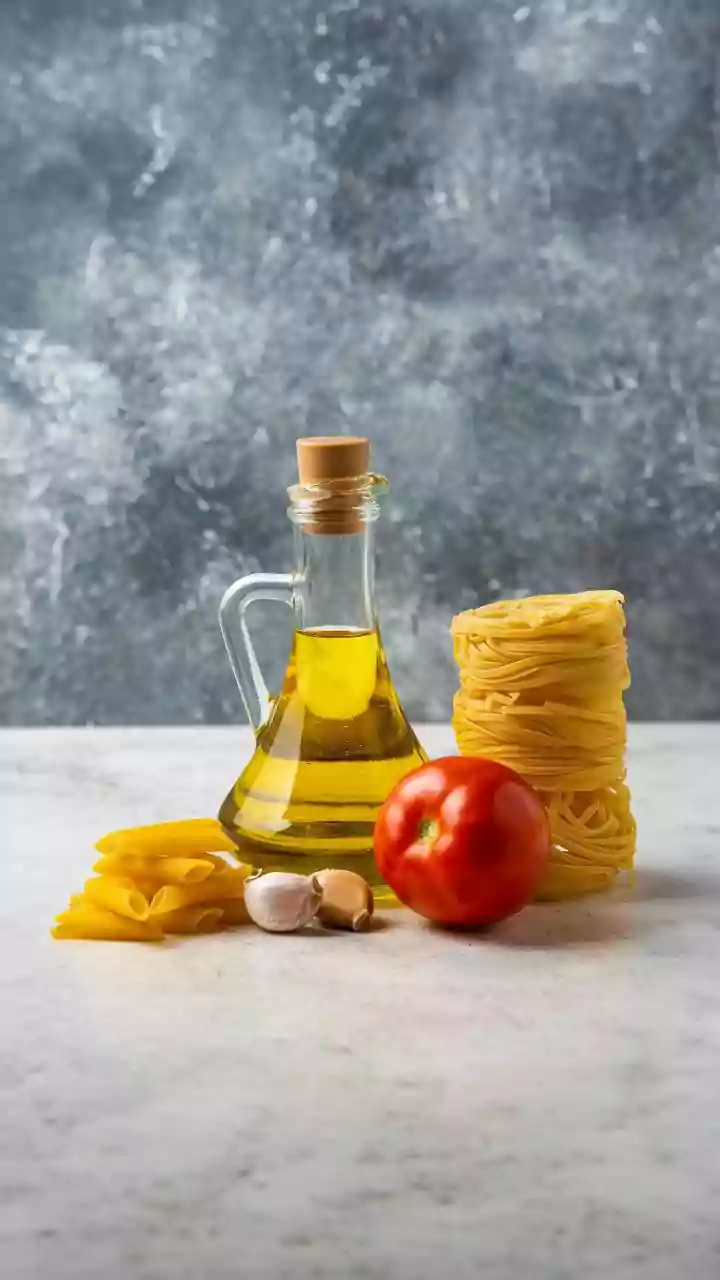
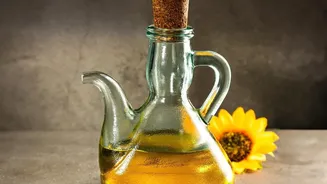
intake is linked to higher levels of LDL (low-density lipoprotein), or "bad" cholesterol, which can increase the risk of heart disease.Unsaturated fats, on the other hand, are typically liquid at room temperature and are considered heart-healthy. They come in two forms: monounsaturated (found in groundnut and olive oils) and polyunsaturated (found in sunflower, sesame, and flaxseed oils). These fats help lower bad cholesterol and raise HDL (high-density lipoprotein), or "good" cholesterol, which protects your heart. The goal isn't to eliminate fat but to shift the balance in favour of these beneficial unsaturated sources.
The 'Cold-Pressed' Advantage
The term 'cold-pressed' refers to how the oil is extracted from seeds or nuts. This mechanical process uses pressure without introducing high heat or chemical solvents. Think of it as a gentle squeeze that keeps the oil's natural goodness intact. Because there's minimal heat, cold-pressed oils retain more of their natural flavour, aroma, and, most importantly, their nutrients.Refined oils, in contrast, undergo processes like bleaching, deodorizing, and heating to high temperatures. While this results in a neutral-tasting oil with a longer shelf life, it strips away many of the beneficial compounds like vitamin E, antioxidants, and polyphenols that fight cellular damage and inflammation. Choosing cold-pressed means you're getting the oil in a form that's much closer to its natural state.
A Boost for Your Heart
Substituting saturated fats with unsaturated fats from cold-pressed oils directly benefits your cardiovascular system. These healthy fats actively work to lower LDL cholesterol, which can otherwise build up as plaque in your arteries, leading to blockages. Simultaneously, they help maintain or increase HDL cholesterol, which acts like a scavenger, removing excess cholesterol from your bloodstream.The rich antioxidant content preserved in cold-pressed oils, such as vitamin E and polyphenols, provides another layer of protection. These compounds combat oxidative stress and inflammation throughout the body, which are known contributors to chronic heart conditions. This simple dietary switch is a powerful, proactive step towards maintaining a healthier heart.
Kickstarting Your Metabolism
Your metabolism—the engine that converts food into energy—also benefits from the right kind of fats. Healthy fats are crucial for absorbing fat-soluble vitamins (A, D, E, and K), which are vital for countless bodily functions. They are also essential for producing hormones that regulate everything from appetite to mood.Unlike some processed fats that can be sluggish for the body to break down, the natural fatty acids in cold-pressed oils are more readily used for energy. Certain oils, like cold-pressed coconut oil, contain Medium-Chain Triglycerides (MCTs), which are known to be metabolised quickly by the body for fuel. By supporting better nutrient absorption and providing efficient energy, these oils help keep your metabolic processes running smoothly.
Making the Switch in an Indian Kitchen
Integrating cold-pressed oils into Indian cooking is both easy and traditional. Many of these oils have been staples in regional cuisines for generations. For daily cooking like making sabzis and dals, cold-pressed groundnut, sesame, or sunflower oils are excellent choices. Cold-pressed mustard oil, with its pungent flavour, is perfect for pickles and traditional North Indian dishes. For salad dressings or drizzling over dishes, the nutty aroma of sesame oil or the freshness of olive oil works wonders. Even for frying, certain cold-pressed options like groundnut oil have a sufficiently high smoke point. The key is to rotate your oils to get a wide range of fatty acids and nutrients.