


The Case for Yoga: Mindful Strength and Flexibility
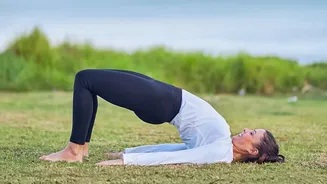
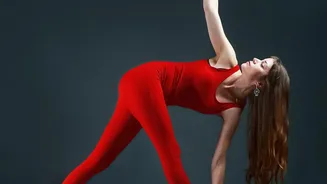
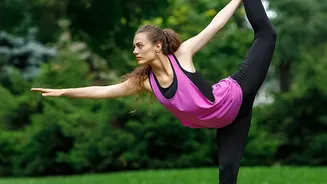
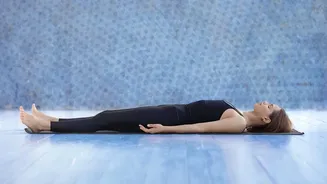
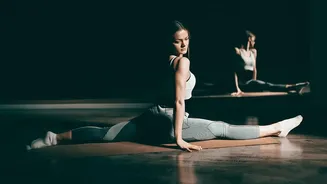
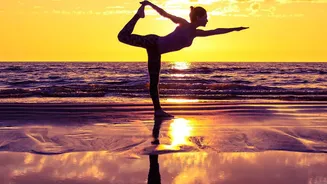
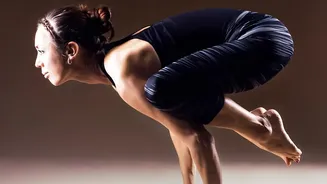
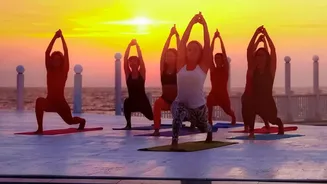
Yoga is an ancient practice revered for its ability to connect mind and body through postures (asanas), controlled breathing, and meditation. Its primary benefits lie in building flexibility, improving balance, and enhancing muscle tone. The deliberate,
sustained poses help lengthen muscles, increase your range of motion, and can alleviate stiffness and joint pain over time. This is especially beneficial for improving posture and reducing the risk of injury in other physical activities. Beyond the physical, yoga is celebrated for its calming effects. The focus on breathwork and mindfulness has been shown to reduce levels of the stress hormone cortisol, helping to alleviate anxiety and improve mental clarity. If your goal is a low-impact workout that builds core strength, increases flexibility, and provides a strong sense of mental peace, yoga is an excellent contender.
The Allure of Dance: Rhythmic Cardio and Joyful Expression
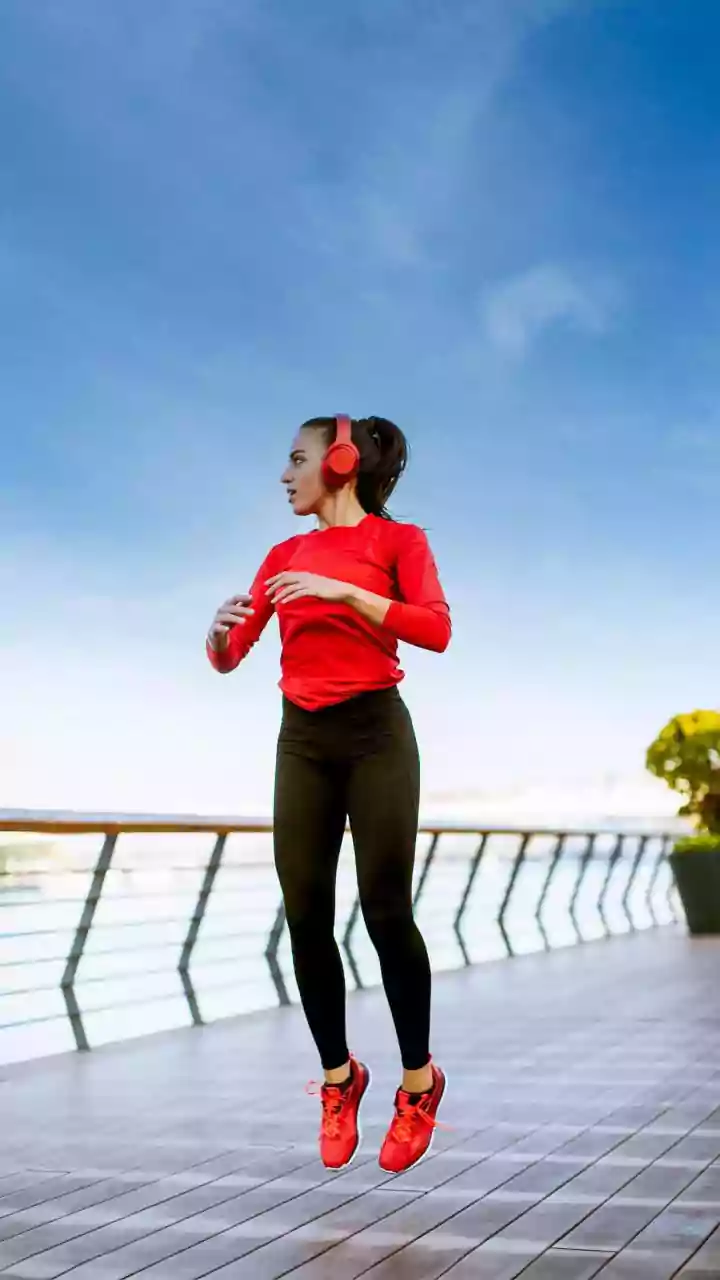
Dance, in its many forms from Zumba to ballroom, is a cardiovascular powerhouse. It’s an energetic activity that gets your heart rate up, strengthens your heart muscle, and improves circulation. This makes it highly effective for weight management and can significantly lower the risk of heart disease. But the benefits of dance extend far beyond cardio. It’s an incredible tool for boosting coordination, as it requires syncing your body’s movements to a rhythm. Mentally, dance is a powerful mood elevator. It serves as an expressive outlet for emotions and releases endorphins, the brain's natural mood-lifters. Furthermore, the social component of many dance classes fosters a sense of community and connection, which is vital for emotional well-being and makes the activity feel less like a chore and more like a party.
Matching the Workout to Your Fitness Goals
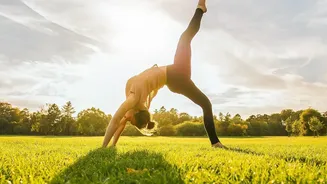
To make the right choice, it helps to be clear about your primary fitness objectives. If your main goal is weight loss or cardiovascular endurance, the high-energy, calorie-burning nature of dance fitness like Zumba often has an edge. For those prioritising flexibility, stress reduction, and building lean muscle in a calmer environment, yoga is a more direct path. However, the lines can blur. Power yoga or Vinyasa flows can be incredibly challenging and provide a vigorous workout, while slower dance forms might focus more on technique than cardio. It's also worth noting that many dancers use yoga to improve their flexibility and prevent injuries, highlighting how the two practices can complement each other.
The Joy Factor: The True Key to Consistency
Experts agree that the most effective workout routine is the one you do consistently. And the biggest predictor of consistency is enjoyment. If you dread your workouts, you will eventually find excuses to stop. This is where personal preference becomes the most critical factor in your decision. Do you thrive in a quiet, introspective environment, focusing on your internal state? Or do you draw energy from music and the dynamic of a group? Ask yourself what sounds more appealing: perfecting a posture in quiet concentration or moving freely to a beat? Don’t choose an exercise based on what you think you ‘should’ do. Choose the one that brings you joy, because that is the activity you will return to week after week.
Making the Final Decision
If you're still undecided, consider the practical logistics. Look at class schedules, costs, and locations in your area. Do you prefer a solo practice at home, which is often easier with yoga, or the structured social environment of a dance class? The best way to truly know is to try both. Many studios offer introductory classes or trial periods. Take a beginner’s yoga class one week and a dance class the next. Pay attention to how you feel during and after each session. Which one made you feel more alive, more accomplished, and more likely to sign up again? Your body and mind will give you the answer. Combining both can also be a fantastic approach, giving you a well-rounded routine of cardio, strength, and flexibility.