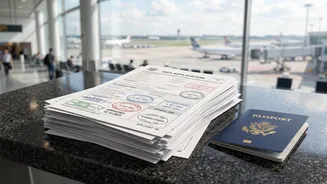







The New Age of AI Itineraries
The travel industry is in the midst of a technological boom, with the AI travel planning market hitting USD 1.2 billion in 2026 and projected to soar to over USD 10 billion by 2035. Companies are integrating generative AI to create personalised itineraries,
compare flight and hotel options, and offer 24/7 chatbot support. These tools promise efficiency and convenience, turning hours of research across dozens of tabs into a simple conversation with a digital assistant. For many travellers, this is a welcome change. Data shows that AI usage for trip planning has surged, with the number of people who have never used AI for travel dropping significantly. In India, over 70% of travellers have already used AI for trip planning, reflecting a high adoption rate in the region.
The Human-Shaped Hole in the Algorithm
Despite the rapid adoption and clear benefits, a fascinating counter-narrative is emerging, driven by the generation you would least expect. Gen Z, while comfortable using AI for initial research, is showing strong skepticism and a clear preference for human input, especially for complex or high-stakes travel. Surveys reveal that while a high percentage of Gen Z travellers use AI for inspiration, a significant portion also report feeling overwhelmed by the booking process and value the peace of mind a human agent provides. In fact, some studies show that Gen Z and Millennials are more likely to use a traditional travel advisor than older generations, directly challenging the stereotype of digital natives wanting a fully automated experience.
Why Digital Natives Seek Analogue Advice
So, why is the most tech-fluent generation hesitant to fully trust AI with their travel plans? The reasons are multifaceted, boiling down to trust, nuance, and the desire for authentic experiences. AI planners, while powerful, can sometimes provide generic, outdated, or even incorrect information—known as 'hallucinations'. They lack the emotional intelligence and contextual awareness a human expert possesses. An algorithm might not understand the specific cultural nuances of a destination, recommend a restaurant that closed two years ago, or grasp the unspoken needs of a traveller celebrating a milestone. For Gen Z, who value unique, 'slice-of-life' experiences over cookie-cutter tours, the curated expertise and insider connections of a human agent are invaluable. Furthermore, issues like data privacy and the stress of something going wrong mean many prefer a human expert to manage the booking and troubleshoot problems.
The Hybrid Model: AI as Co_Pilot, Not Pilot
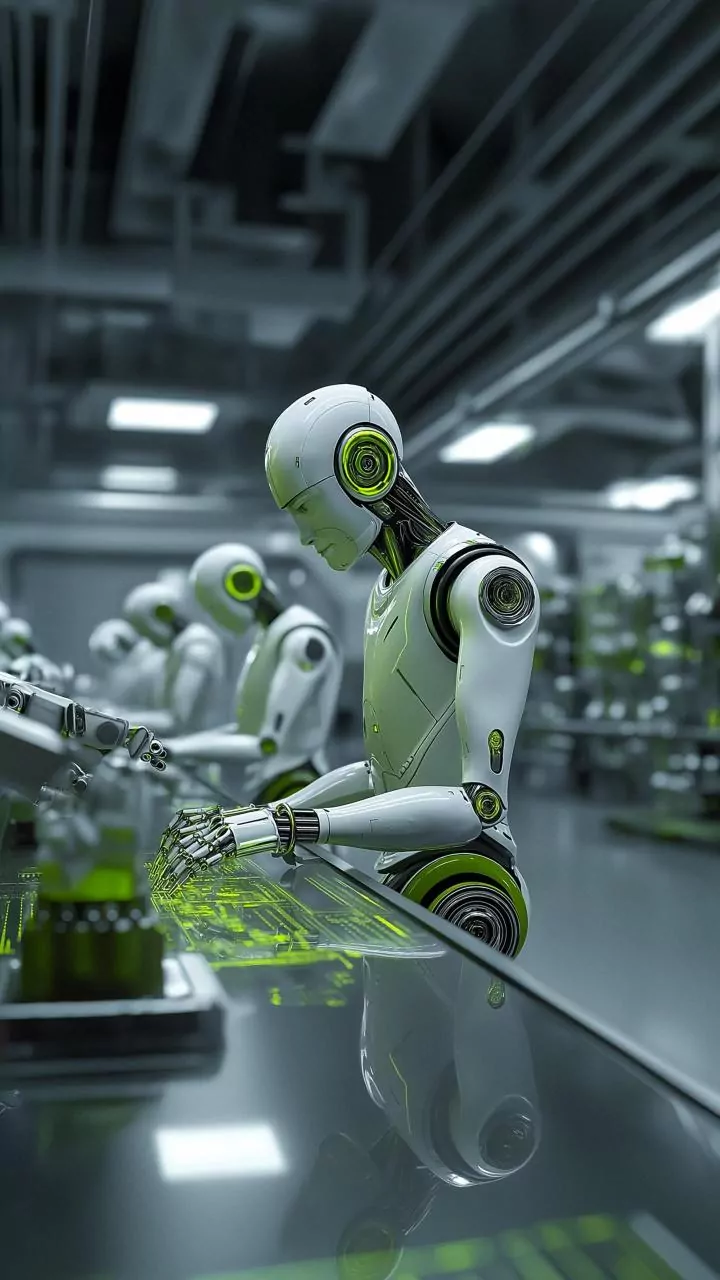
The travel industry is taking note. The future isn't a battle between AI and human agents, but a collaboration. The emerging consensus is a hybrid model where AI serves as a powerful co_pilot. AI can handle the heavy lifting of initial research, data processing, and comparing options, freeing up human advisors to focus on what they do best : providing personalised service, offering expert judgment, and building trust. This approach combines the efficiency of technology with the irreplaceable value of human connection. Travel companies are developing 'agentic AI' that can work on the traveller's behalf , interacting with various booking systems , while a human advisor oversees the process , ensuring the final itinerary is seamless , reliable , and perfectly tailored to the client's desires.