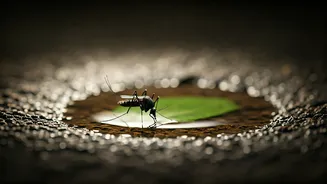






The Silent Threat in Still Water
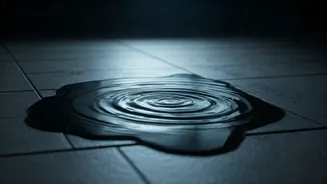
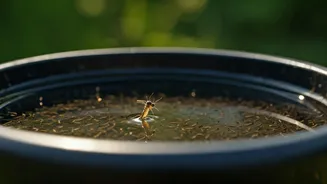
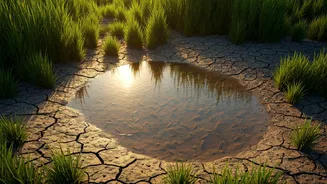
What looks like a harmless pool of water in a discarded tyre, a plant saucer, or a clogged drain is an ideal incubator. Stagnant, or standing, water provides the perfect environment for the larvae of various insects, most notably mosquitoes, to thrive.
Female mosquitoes lay their eggs in or near still water, and within a matter of days, these eggs hatch into larvae, then pupae, and finally emerge as adult mosquitoes ready to bite and potentially transmit diseases. The entire cycle, from egg to adult, can take as little as 7 to 10 days, meaning a small oversight can lead to a significant pest problem very quickly.
More Than Just an Itchy Bite
The primary concern with mosquitoes in India is their role as vectors for serious illnesses. The Aedes aegypti mosquito, which breeds in clean stagnant water, is a notorious carrier of dengue, chikungunya, and Zika virus. Dengue fever can cause severe flu-like symptoms, and in some cases, progress to a life-threatening condition known as severe dengue. Anopheles mosquitoes, which prefer to breed in cleaner, unpolluted water bodies like ponds and puddles, are responsible for transmitting malaria. Beyond mosquitoes, stagnant water can also harbour harmful bacteria, leading to gastrointestinal issues if ingested, and attract other pests like flies and rodents. In areas with poor sanitation, it can even contribute to the spread of diseases like leptospirosis.
Your Home Inspection Checklist
Preventing water stagnation is the most effective way to control mosquito populations. Regularly inspect your home and its surroundings for potential breeding sites. Pay close attention to these common culprits: - **Around the House:** Flowerpot saucers, birdbaths, ornamental fountains, and pet water bowls. These should be emptied and cleaned at least once a week. - **On the Terrace/Balcony:** Clogged drains, discarded containers, plastic sheets, old tyres, and unused buckets. Ensure water does not collect on flat roofs. - **Coolers and ACs:** The water trays in desert coolers are a major breeding spot. They should be drained and scrubbed weekly. Check AC drainage pipes to ensure they aren't dripping into a collection spot. - **Construction Sites:** If you live near a construction area, be aware of barrels, pits, and trenches that can collect rainwater. Inform local authorities if you notice prolonged stagnation. - **Gardens and Yards:** Check for water collecting in tarps, wheelbarrows, and even certain types of plants that can hold water in their leaves.
An Action Plan for Prevention
Once you've identified potential problem areas, taking action is simple. The 'one week, one spot' rule is a good principle to follow: dedicate a few minutes each week to a different area of your home. Turn over empty buckets and containers so they can't collect water. If you have containers that store water, like tanks or drums, ensure they are tightly covered. For water bodies that cannot be drained, such as ornamental ponds, consider introducing larvivorous fish (like guppies) or using government-approved chemical larvicides as directed. Keeping your drains and gutters clean and free-flowing is crucial, especially before and during the monsoon season. A little consistent effort goes a long way in safeguarding your environment.
When to Be Extra Vigilant
While prevention is key, it's also important to recognise the warning signs of vector-borne diseases. Symptoms often include high fever, severe headache, pain behind the eyes, joint and muscle pain, fatigue, and rash. If you or a family member experience these symptoms, especially during peak mosquito season, it is crucial to seek medical advice promptly. Early diagnosis and proper medical care can significantly improve outcomes for diseases like dengue and malaria. Do not self-medicate, as certain common painkillers can be harmful in the case of dengue fever. Always rely on a healthcare professional for diagnosis and treatment.