






Why Monsoon Demands More Airflow
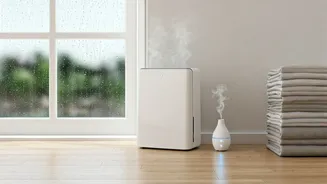
During the rainy season, high humidity is the main culprit behind that heavy, sticky feeling in the air. When we shut windows to keep rain out, we also trap this moisture inside. [2, 22] This creates the perfect breeding ground for mould, mildew, and
bacteria, which cause musty odours and can aggravate allergies. [10, 20] Everyday activities like cooking, bathing, and even drying clothes indoors further increase the moisture load, making proper air circulation not just a matter of comfort, but of health. [2, 18] Without a way for stale, damp air to exit and fresh air to enter, your home can quickly become a sealed container of pollutants and unpleasant smells. [22]
Mastering Cross-Ventilation
The most effective and cost-free way to ventilate your home is through cross-ventilation. This simple technique involves opening windows or doors on opposite sides of a room or house to create a natural air current. [2] This airflow pushes out the warm, humid indoor air and pulls in cooler, fresher air from outside. The key is timing. It might seem wrong to open windows during the monsoon, but take advantage of periods when the rain subsides, even for just 15-20 minutes a day. [2, 22] This small window of opportunity is enough to flush out stagnant air and significantly reduce moisture buildup. For multi-storey homes, you can create a 'chimney effect' by opening a window on the ground floor and another on an upper floor to pull cool air in and push warm air out. [16]
Harness the Power of Exhaust Fans
Your kitchen and bathroom are major sources of indoor moisture. Running the exhaust fan every time you cook or shower is a non-negotiable habit during the monsoon. [20, 24] These fans are designed to pull steam, smoke, and humid air directly out of your home before it can spread. [13, 23] For bathrooms, let the fan run for about 15-20 minutes after you shower to clear any lingering steam. [20] Ensure your exhaust fans are ducted to the outside and not just recirculating the air, which would defeat the purpose. [20] Regularly cleaning the fan blades and vents will also ensure they operate at maximum efficiency, providing a powerful defence against dampness.
Keep the Air Moving with Fans
Even when windows are closed, you can prevent air from becoming stagnant. Ceiling and pedestal fans are excellent tools for maintaining constant air circulation. [5, 14] While fans don't cool the air, the movement helps evaporate excess moisture from surfaces and your skin, making the room feel less sticky and more comfortable. [14, 19] If your air conditioner has a 'Dry Mode', use it. [22] This function is specifically designed to remove humidity from the air without over-cooling the room, making it a perfect tool for the monsoon season. [22]
Declutter for Better Circulation
Good airflow requires a clear path. Cluttered spaces and furniture pushed right up against walls can trap pockets of moist, stagnant air, creating hidden spots for mould to grow. [2, 21] Take a moment to pull large furniture like sofas and cupboards a few inches away from the walls. [21] This small gap allows air to circulate behind them, keeping the area dry. Similarly, avoid over-stuffing wardrobes and cabinets. [21] Clutter reduces airflow, and trapped moisture can lead to clothes and linens developing a musty smell. On dry, sunny days, open your wardrobe doors to let the air inside breathe. [10]
Simple Habits for Freshness
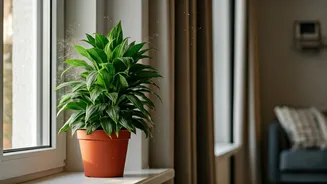
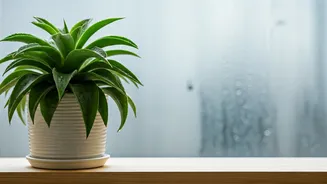
Beyond ventilation, small habits can make a big impact. If you must dry clothes indoors, place them in a well-ventilated area with a fan running nearby, and avoid leaving them in a closed room. [2, 7] You can also use natural moisture absorbers. Placing open bowls of rock salt, baking soda, or activated charcoal in damp corners, closets, or under sinks can help passively draw moisture from the air. [4, 8, 22] Some houseplants, like peace lilies and snake plants, are also known to absorb some moisture from the air while purifying it. [2, 7] These simple additions work quietly in the background to keep your home feeling and smelling fresh.