




What Exactly Are Pulses?
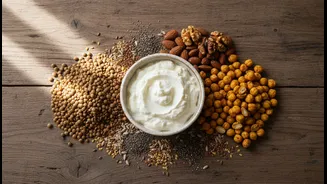
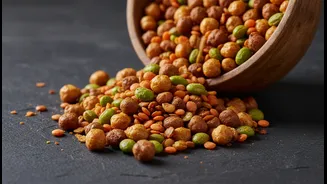
Before we dive into the crunch, let's clarify what we're talking about. Pulses are the edible dry seeds of legume plants. This group includes staples of the Indian kitchen like chickpeas (chana), lentils (dal), dry peas, and various beans. When these
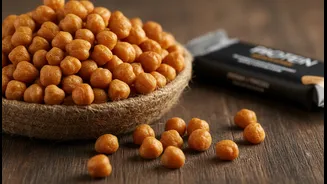
are roasted, either in an oven or a pan, they transform into a delightfully crispy snack. Think of the familiar roasted chana you might buy from a street vendor, but with endless possibilities for flavour and variety right in your own home. They are naturally gluten-free and serve as a fantastic base for a healthy snack.
A Savoury Protein Hit
One of the biggest wins for roasted pulses is their impressive protein content. Pulses typically contain about twice the protein of whole grains. For example, a 100-gram serving of cooked lentils or chickpeas provides around 9 grams of plant-based protein. This makes them an excellent choice for vegetarians, vegans, or anyone looking to increase their protein intake without relying on meat. The protein and fibre combination helps you feel fuller for longer, curbing unhealthy cravings and providing sustained energy, which helps manage blood sugar levels.
The Crunch and Convenience Factor
Let's be honest: sometimes you just need a snack with a satisfying crunch. Roasted pulses deliver this in a much healthier package than a bag of fried chips. The convenience is twofold. Firstly, they are incredibly easy to make at home in large batches. A simple toss with oil and spices followed by a spell in the oven is all it takes. Secondly, they have a great shelf life. Stored in an airtight container, homemade roasted pulses can last for up to a week, making them a perfect grab-and-go option for busy days.
DIY: Your Guide to Roasting at Home
Making your own roasted pulses is simple and allows you to control the ingredients, especially salt and oil. Start with cooked or canned pulses like chickpeas. The absolute key to crispiness is to get them as dry as possible. After rinsing, pat them thoroughly dry with a towel. Toss the dry pulses with a small amount of oil (just enough to coat) and your favourite seasonings. Think beyond salt and pepper—try chaat masala, smoked paprika, turmeric, or a blend of herbs. Spread them in a single layer on a baking sheet and roast at around 200°C. Shake the pan every 10-15 minutes to ensure they cook evenly. They are done when they are golden and crispy, which usually takes 20-30 minutes. They will get even crunchier as they cool.
More Than Just a Snack
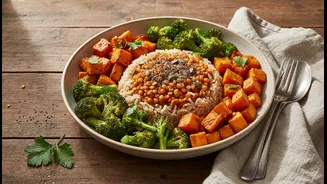
While roasted pulses are a fantastic snack on their own, their utility doesn't end there. Their crunchy texture makes them a wonderful addition to other dishes. Use them as a substitute for croutons on soups or salads to add protein and fibre. Sprinkle them over roasted vegetables or grain bowls for an extra layer of flavour and texture. You can even crush them coarsely and use them as a crunchy coating for baked chicken or fish. This versatility makes them a valuable and healthy ingredient to have on hand in your kitchen pantry.
Choosing Store-Bought Versions Wisely
If you're short on time, there are many pre-packaged roasted pulse snacks available. These can be a great option, but it's important to read the nutrition labels. Some commercially prepared snacks can be very high in sodium and unhealthy fats, which can negate their health benefits. Look for brands with simple ingredient lists—ideally just the pulses, oil, and spices. Opt for baked or roasted versions rather than fried, and compare sodium levels between different products to make the healthiest choice.