


The Nature of the Injury
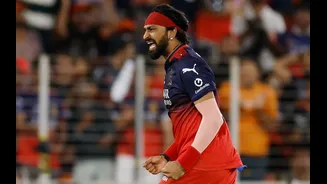
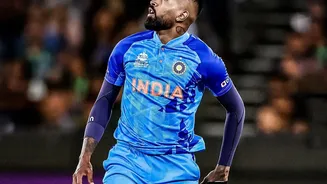
Hardik Pandya is currently at the Centre of Excellence (CoE) in Bengaluru, nursing what has been described as a stress injury on the inner side of his shin. This is the latest in a string of fitness issues that have plagued the all-rounder, including
back spasms and a quadriceps strain earlier in the year. The current prognosis is grim; reports suggest Pandya will only be cleared to begin jogging after three weeks, followed by a long and carefully managed rehabilitation process. This extended timeline all but rules him out of upcoming home series and domestic tournaments, pointing towards a long and arduous road to recovery.
An Irreplaceable Void for Team India
The absence of a fully fit Hardik Pandya creates a strategic nightmare for the Indian team management. He is widely considered irreplaceable due to the rare balance he provides. As a powerful finisher in the lower-middle order and a bowler who can deliver crucial overs in the middle and at the death, he is central to India's white-ball plans. His absence was keenly felt during the 2023 ODI World Cup final after an ankle injury upset the team's structure. Conversely, his contributions were instrumental in India's back-to-back T20 World Cup triumphs in 2024 and 2026. Without him, India loses a batsman, a bowler, and an exceptional fielder in one go, a combination that is nearly impossible to replicate.
The Hunt for a Successor
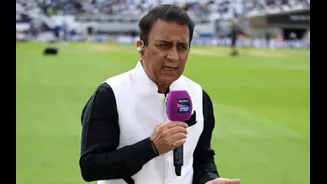
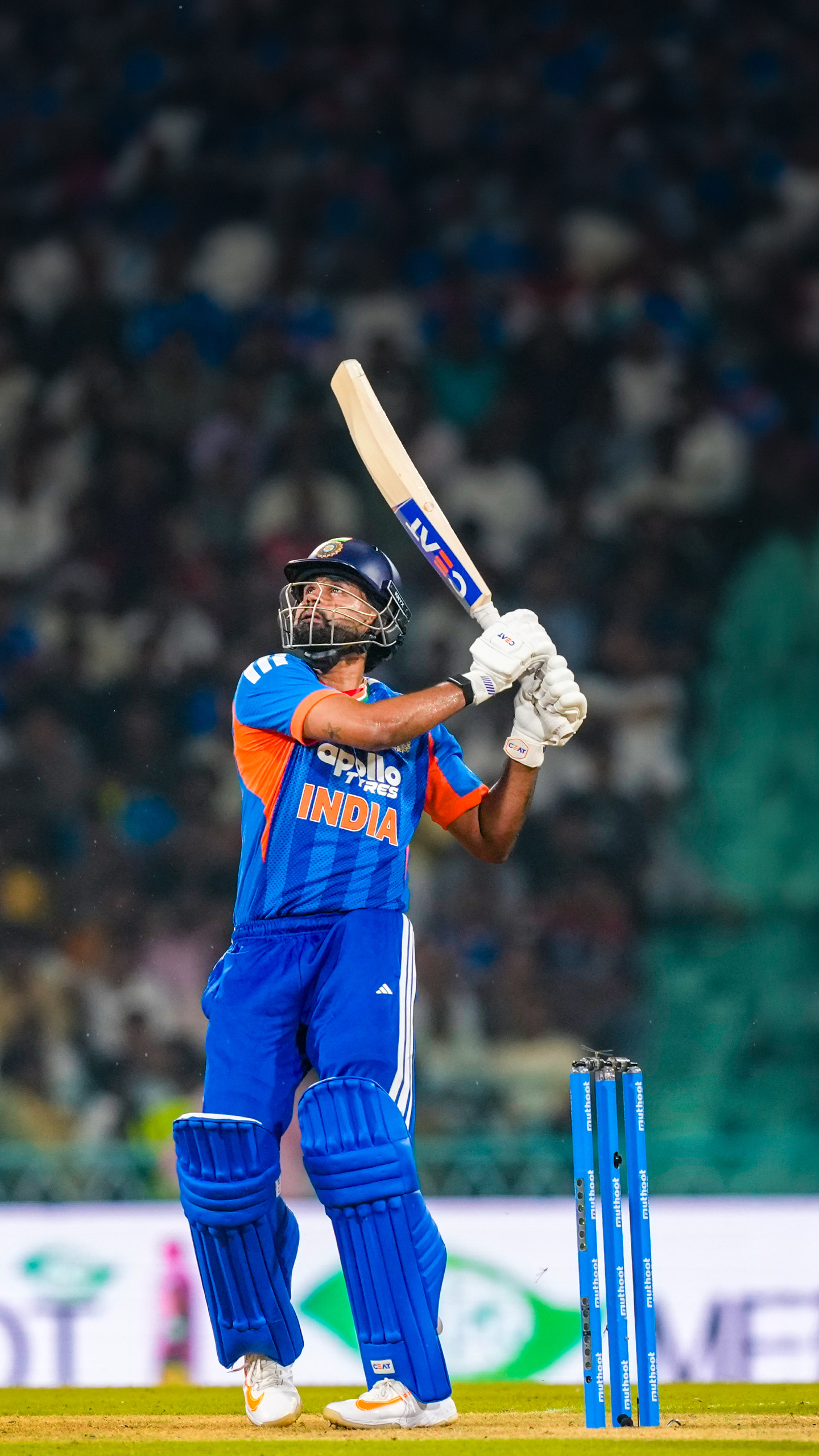
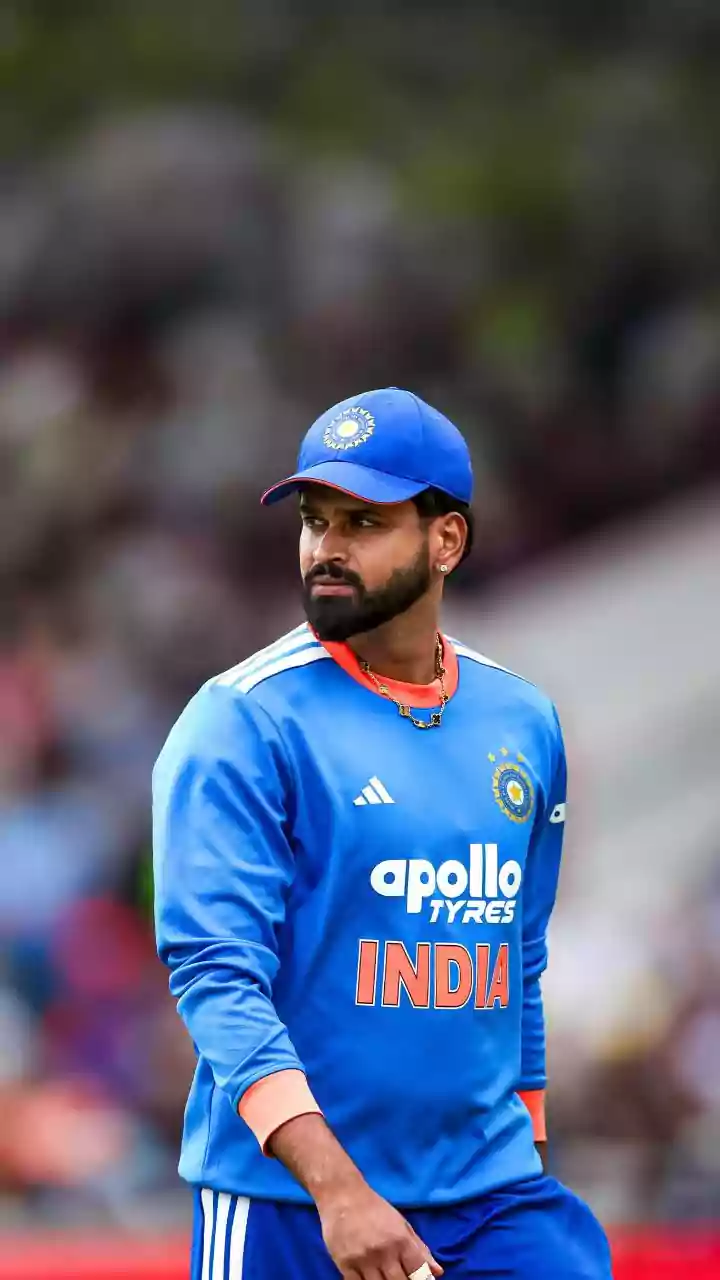
For years, India has struggled to find a reliable backup for its premier pace-bowling all-rounder. The selectors have trialled several players, but none have managed to cement their place. Shivam Dube has been an option in the T20 format, but questions remain about his effectiveness with the ball and his fielding. The name gaining traction more recently is Nitish Kumar Reddy, who has been touted by the team's assistant coach as a 'natural successor' and a long-term prospect. Former players like Wasim Jaffer have also pointed towards Reddy, along with Suryansh Shedge, as potential like-for-like replacements who can bowl their share of overs and contribute with the bat. However, as former captain Sunil Gavaskar noted, finding someone of Pandya's calibre is a monumental task.
What This Means for Major Tournaments
The projected timeline of a 2027 return puts Pandya's participation in the next ODI World Cup, scheduled for that year in South Africa, in serious doubt. His fitness was already a concern for the 2027 showpiece event, and this latest setback only amplifies those worries. His career has been marked by match-winning performances in ICC tournaments, from stepping up as a new-ball bowler in the 2025 Champions Trophy to his heroics in multiple T20 World Cups. Planning for a World Cup campaign without a player who has been so central to the team's balance and success for a decade presents a massive challenge for the selectors and coaching staff.
A Career at a Crossroads
This injury represents a significant crossroads in Hardik Pandya’s career. Having battled chronic back issues in the past, this new, long-term injury raises serious questions about his future durability. He has been the engine room of India's white-ball setup, known for his swagger, power-hitting, and ability to make things happen with the ball. His leadership as a T20 captain and his success with IPL franchises have solidified his reputation as one of the modern greats of the shorter formats. This extended absence is not just a physical battle but a mental one, as he fights to reclaim his place at the apex of world cricket. The entire cricketing nation will be watching and waiting, hoping for a successful recovery but also bracing for the reality of what his prolonged absence means for the team.