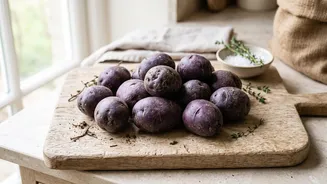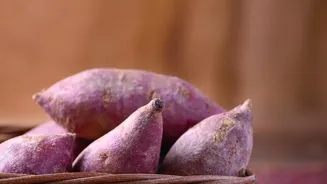







Meet the new star of the vegetable aisle: Kufri Jamunia. It’s a potato, but not as you know it. Developed in India, this vibrant purple spud isn't just a novelty; it’s a biofortified powerhouse designed to pack a serious nutritional punch.
What is Kufri Jamunia?
Kufri Jamunia
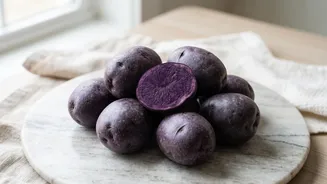
is a new potato variety with deep purple skin and, more importantly, vibrant purple flesh that remains colourful even after cooking. Developed by scientists at the ICAR-Central Potato Research Institute (CPRI) in Shimla, it was officially released in 2024. The name 'Kufri' is a signature of the institute, located in the region, while 'Jamunia' hints at its jamun-like colour. This variety is the result of years of research aimed at biofortification—the process of naturally boosting the nutritional content of crops to help address micronutrient deficiencies, often called 'hidden hunger'. Unlike previous coloured varieties like Kufri Neelkanth, which had purple skin but cream flesh, Kufri Jamunia's colour permeates the entire tuber.
The Power of Purple: A Health Boost
The striking purple hue comes from a high concentration of anthocyanins, the same powerful antioxidants found in blueberries, blackberries, and jamun. Antioxidants are compounds that help protect our bodies from cellular damage caused by unstable molecules called free radicals. Research suggests that diets rich in anthocyanins are linked to numerous health benefits, including reduced inflammation, better heart health, and a lower risk of certain chronic diseases. The presence of these antioxidants throughout the flesh means you get the benefits whether you boil, bake, or fry the potato. This makes Kufri Jamunia more than just a colourful addition to your plate; it’s a functional food designed for better wellness.
A Nutritional Powerhouse
Beyond its antioxidant content, Kufri Jamunia is biofortified to be rich in several essential nutrients. Compared to conventional potatoes, it contains significantly higher levels of Vitamin C, iron, and zinc. According to data from the Press Information Bureau, 100 grams of Kufri Jamunia can contain about 42.75 mg of Vitamin C, 3.22 mg of iron, and 2.28 mg of zinc. It is also a source of carotenoids, another type of beneficial antioxidant. This enhanced nutritional profile makes it a valuable tool in diversifying diets and providing essential micronutrients through a staple food that is consumed across India.
From the Farm to Your Kitchen
Engineered for Indian farms, Kufri Jamunia is a medium_maturing variety suited for cultivation across the North Indian plains, including states like Punjab, Haryana, Uttar Pradesh, and Bihar. It boasts a high yield potential of 32_35 tonnes per hectare and shows good storability with a dormancy period of 6_8 weeks, which helps prevent premature sprouting. In the kitchen, it has a mealy texture, making it versatile for a variety of Indian dishes. CPRI researchers suggest it can be used in everything from curries and parathas to soups and even processed foods like anthocyanin_rich potato flour. Its unique colour and earthy, slightly nutty flavour add a novel twist to traditional recipes.