






The Challenge of Shift Work Sleep
Our bodies are designed to follow a 24-hour cycle known as the circadian rhythm, which tells us when to be awake and when to sleep. This internal clock is heavily influenced by light. Sunlight, particularly the blue-toned light of the morning, signals
alertness and suppresses the sleep hormone melatonin. As darkness falls, melatonin production increases, preparing the body for rest. Shift work throws this entire system into disarray. When you need to sleep during the day and be alert at night, you are fighting against billions of years of evolution. This misalignment can lead to what's known as shift work sleep disorder, characterised by insomnia, excessive sleepiness, and a feeling of constant jet lag. Studies have shown this disruption not only impacts performance and safety but also long-term health.
Harnessing Light to Your Advantage
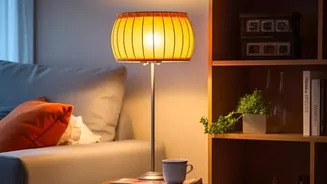
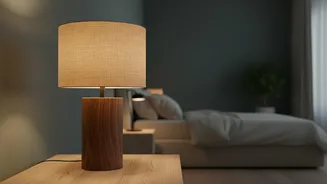
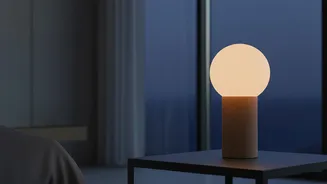
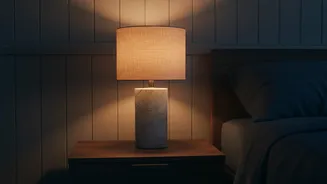
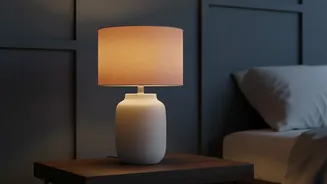
The very thing that disrupts a shift worker's sleep—light—can also be the key to managing it. The strategy involves consciously controlling your light environment to create artificial 'day' and 'night' signals that align with your work schedule. This is where the concept of a 'sunset shift' comes in. By using modern smart lighting, you can program your indoor lights to mimic the gradual transition of a natural sunset in the hours before you intend to sleep, even if it's 7 AM. This involves slowly dimming the lights and shifting their colour temperature from cool, blueish-white tones to very warm, amber, and red tones. This simulated dusk helps trick your brain into beginning its wind-down process and starting melatonin production, paving the way for deeper sleep.
The Science of Warm Light and Melatonin
Not all light is created equal when it comes to sleep. Research consistently shows that blue light is the most potent suppressor of melatonin. Exposure to blue light from screens and standard LED bulbs before bed can significantly delay the onset of sleep. Red and amber light, on the other hand, have a much weaker effect on our circadian system. While any bright light can interfere with sleep, low-intensity warm light is far less disruptive. Studies indicate that while blue light can suppress melatonin for hours, red light allows the hormone's levels to rebound, meaning it interferes less with your body's natural sleep signals. By creating a 'sunset' that filters out blue light and embraces warm tones, you are creating a pro-sleep environment that helps, rather than hinders, your body's ability to produce melatonin.
How to Create Your Own Sunset Shift
Implementing an indoor sunset is more accessible than ever with smart home technology. The core components are colour-tunable smart bulbs and a scheduling app. Start by identifying your target bedtime. About 60 to 90 minutes before this, program your lights to begin their transition. Set them to gradually dim and shift from a neutral or cool white to a warm, orangey-red hue (around 2200K-2700K). Many smart lighting apps have built-in routines that can automate this entire process. The goal is for the light in your environment to be very dim and very warm by the time you get into bed. This helps create a powerful, consistent cue for your brain that it's time to rest, regardless of the time on the clock.
Beyond Lighting: A Holistic Approach
A sunset lighting schedule is a powerful tool, but it works best as part of a comprehensive sleep hygiene strategy. To maximize your daytime sleep quality, it is crucial to make your bedroom as dark as possible. Use blackout curtains to block outside light. Furthermore, about an hour before your scheduled 'sunset' begins, try to stop using electronic devices like phones and tablets, as their blue light emission can counteract your efforts. Consider wearing blue-light-blocking glasses if you must use screens during your wind-down period. Finally, consistency is key. Sticking to your new sleep and light schedule, even on your days off, will help your body adapt more quickly and effectively to the demands of your job.