
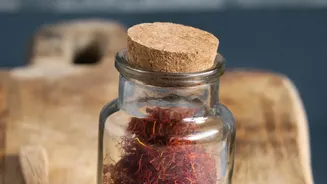

What Exactly is Sumac?
Sumac is a coarse powder made from the dried and ground berries of the wild sumac shrub, specifically from the Rhus coriaria variety, which grows across the Mediterranean and Middle East. For centuries, it has been a cornerstone of Levantine, Turkish,
and Iranian cuisines. Despite its brilliant reddish-purple hue, sumac is not spicy like chilli powder. Instead, its primary contribution is a bright, tangy flavour. It’s a key ingredient in the popular spice blend za'atar, where it provides the signature acidic backbone alongside thyme and sesame seeds. Think of it not as a complex spice blend, but as a pure, singular ingredient whose main job is to add a clean, sour note.
The Science of a 'Familiar' Tartness
The comparison to lemon is instant for most people, but the sourness is distinct. Lemons get their sharp tang from citric acid. Sumac, on the other hand, owes its tartness mainly to malic acid, the same compound found in green apples, grapes, and rhubarb. This results in a flavour that feels slightly softer, fruitier, and less sharp than fresh lemon juice. Some describe it as having subtle earthy or woodsy undertones, with a hint of dried berry or cherry. This profile makes sumac incredibly versatile, as it brightens rich foods without the sometimes-harsh sting of pure citrus. It’s a dry acid, which is its superpower; it provides tang without adding any liquid, preventing dishes from becoming watery or soggy.
How to Use Sumac as a Lemon Substitute
Using sumac in place of lemon is most effective in applications where you want acidity without extra moisture. It's perfect for dry rubs for meat, seasoning roasted vegetables, and finishing salads that might otherwise wilt under a liquid dressing. A good starting point for substitution is to use about one teaspoon of sumac for the juice of half a lemon, or two teaspoons for a whole lemon, but it's always best to taste and adjust. Commercial sumac can sometimes contain salt to prevent caking, so you may need to adjust your seasoning accordingly. While you can use sumac and lemon together in the same dish—a common practice in Turkish cooking—sumac shines brightest where lemon juice would alter the texture, like in a spice crust for fish or chicken or sprinkled over crispy potatoes.
Beyond a Substitute: Dishes Where Sumac Shines
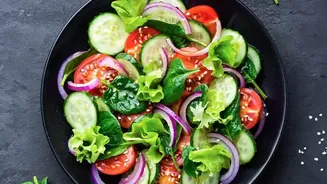
While an excellent stand-in, sumac is a star in its own right. It is the defining ingredient in Fattoush, a refreshing Middle Eastern salad with torn pita bread. A generous sprinkle over hummus or baba ghanoush is traditional, adding both colour and a zesty finish. It works wonders on grilled meats like lamb and chicken, where its acidity cuts through the richness. A simple but transformative use is to make sumac onions: thinly sliced red onions tossed with sumac and a bit of salt. The spice gently mellows the onion's raw bite, turning it into a fantastic condiment for kebabs, sandwiches, and salads. It also pairs beautifully with eggs, dairy like feta and yogurt, and roasted vegetables.
Finding and Storing This Pantry Hero
Sumac is increasingly available in major supermarkets, but for the freshest, most flavourful options, look to Middle Eastern or Mediterranean markets, specialty spice shops, or online retailers. When buying, look for a vibrant, deep red or purplish colour and a fruity, tangy aroma. If it smells dusty or has lost its colour, it's likely old. To keep it fresh, store sumac in a tightly sealed, airtight container in a cool, dark place like a pantry, away from heat and direct sunlight. Properly stored, it can maintain its potency for up to a year, though some sources say even longer.